- ► France is considering allowing nuclear-armed Rafale fighters to operate from Belgium under a new deterrence framework.
- ► The proposal would expand the geographic footprint of France’s airborne nuclear deterrent.
- ► Belgium currently hosts U.S. nuclear weapons under NATO nuclear sharing arrangements.
- ► Any deployment would remain under exclusive French political control.
- ► The move signals deeper debate over Europe’s strategic autonomy and nuclear deterrence.
French Nuclear-Armed Rafale Fighters Could Expand To Belgium
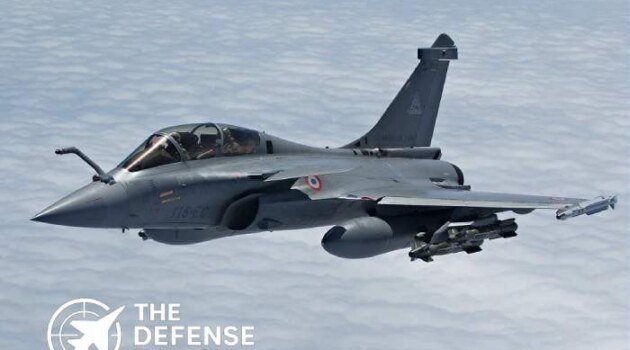
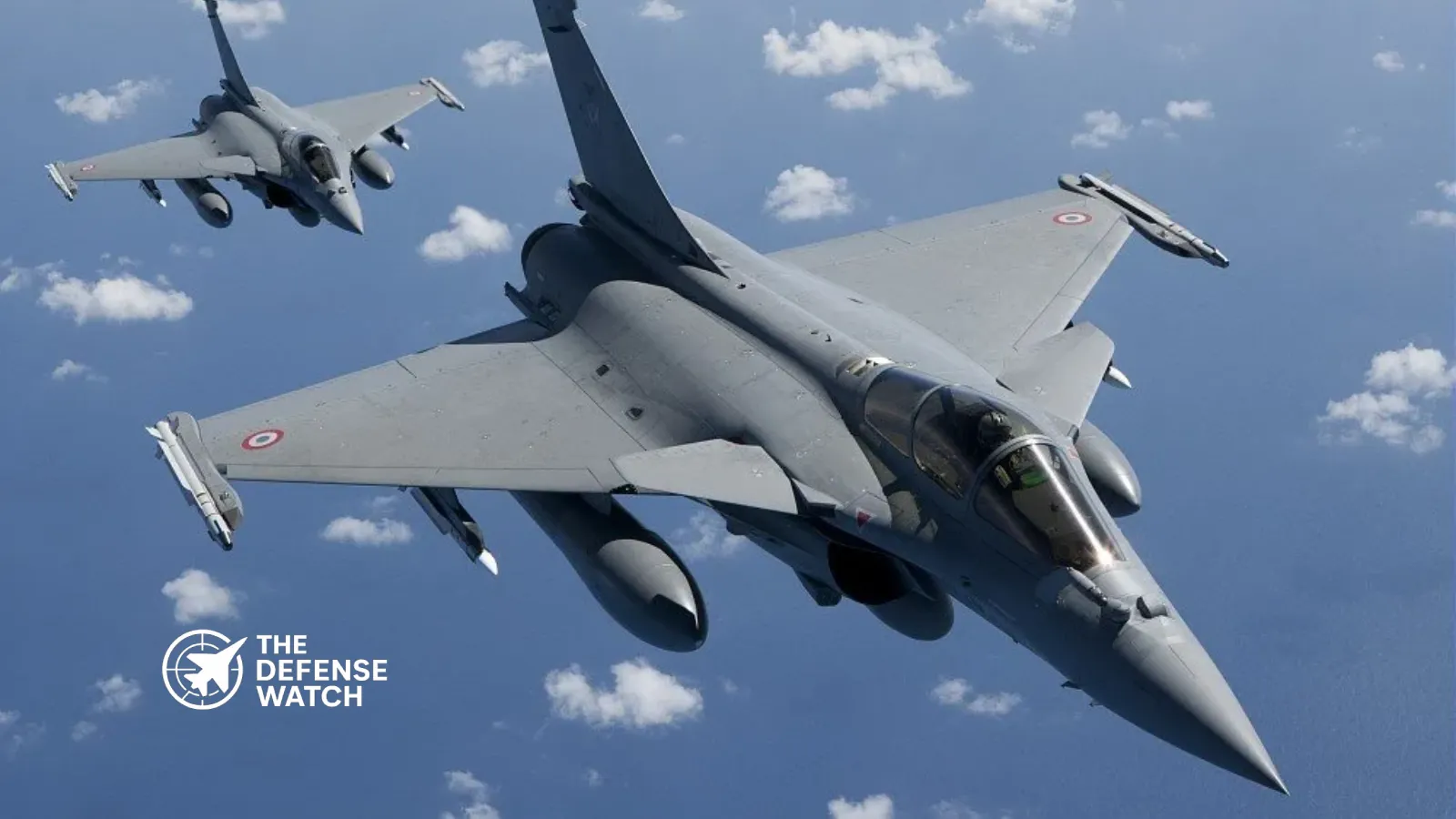
French nuclear-armed Rafale fighters could operate from Belgium under a new deterrence plan now under discussion in Paris and Brussels.
The proposal centers on the possible forward deployment of France’s airborne nuclear deterrent, built around the Dassault Rafale fighter jet. The aircraft carries the air-launched nuclear missile that forms one leg of France’s independent nuclear triad.
If implemented, the move would mark a notable shift in how France signals its strategic posture within Europe.
France’s Independent Nuclear Force
France maintains a strictly national nuclear deterrent, separate from NATO’s integrated command structure. The airborne component is operated by the French Air and Space Force using Rafale fighters equipped to deliver the ASMP A nuclear cruise missile.
Under current doctrine, all nuclear decision-making authority rests with the French president. Any potential deployment of French nuclear-armed Rafale fighters to Belgium would not alter that principle. Operational control would remain exclusively French.
This distinguishes the proposal from NATO’s nuclear sharing arrangements, under which U.S. nuclear weapons are stored in several European countries, including Belgium.
Why Belgium Matters
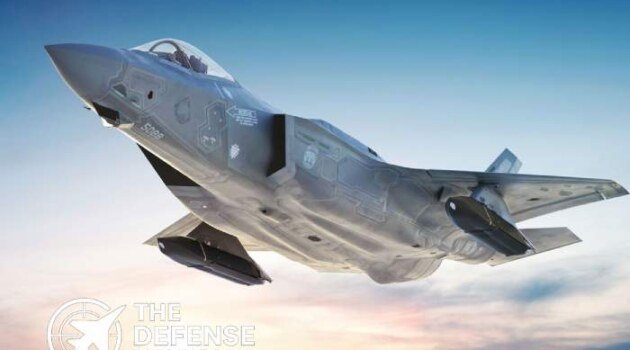
Belgium already plays a role in NATO nuclear policy. The country hosts U.S. nuclear gravity bombs as part of alliance burden-sharing. Belgian F 16 aircraft are being replaced by the Lockheed Martin F-35 Lightning II, which is certified to carry U.S. B61 nuclear weapons.
A French deployment would not replace the NATO framework. Instead, it could supplement Europe’s deterrence posture at a time of heightened concern over Russian nuclear rhetoric and force modernization.
For Brussels, any agreement would carry political sensitivity. Belgium would need to balance alliance commitments, domestic debate, and relations with both Washington and Paris.
Strategic Context In Europe
The discussion reflects a broader European debate about strategic autonomy. Since Russia’s invasion of Ukraine, European governments have accelerated defense spending and reassessed reliance on U.S. security guarantees.
France has long argued that its nuclear deterrent contributes to overall European security. President Emmanuel Macron has previously stated that France’s vital interests have a European dimension, though the force remains nationally controlled.
Stationing French nuclear-armed Rafale fighters in Belgium, even on a rotational basis, would signal a more visible European nuclear footprint. It could also serve as a political message of solidarity within the European Union.
At the same time, analysts note that forward basing introduces operational and security considerations, including infrastructure, protection measures, and clear command arrangements.
Operational And Political Implications
From a military standpoint, deploying Rafale aircraft abroad would extend response options and complicate adversary planning. Geographic dispersion can enhance survivability and flexibility.
However, such a move would also increase diplomatic complexity. NATO cohesion, U.S. European Command planning, and EU defense initiatives would all intersect with the proposal.
Crucially, any change to the posture of French nuclear-armed Rafale fighters would require explicit political approval at the highest level in both countries.
What Comes Next
At this stage, the plan remains under discussion. No formal basing agreement has been announced.
Still, the debate itself underscores how Europe’s nuclear architecture is evolving. French nuclear-armed Rafale fighters operating from Belgium would represent a visible shift toward a more European-centered deterrence model, even as NATO remains the cornerstone of collective defense.
For policymakers in Washington and across Europe, the proposal is less about hardware and more about long-term strategic alignment in an increasingly contested security environment.
Get real time update about this post category directly on your device, subscribe now.