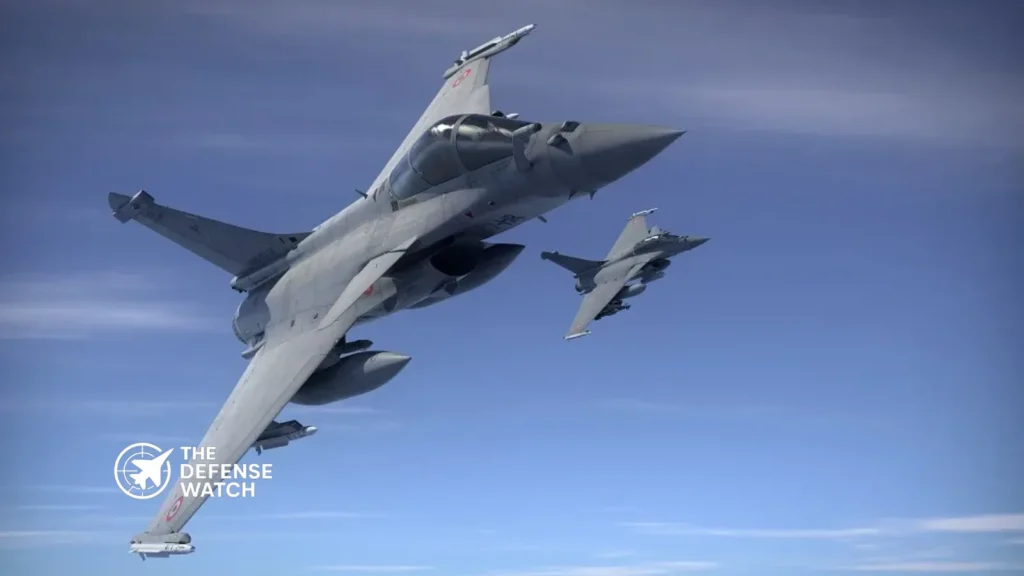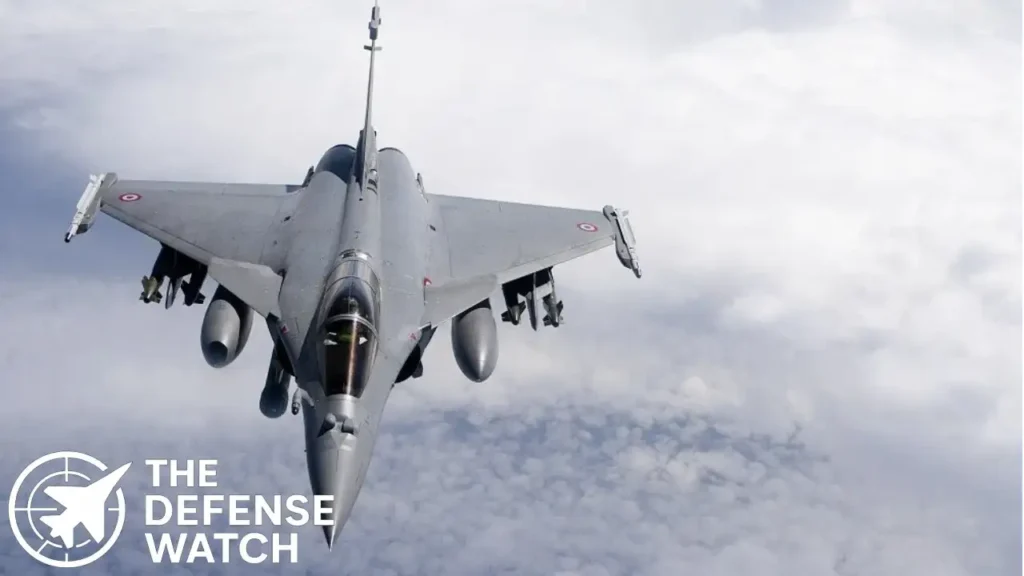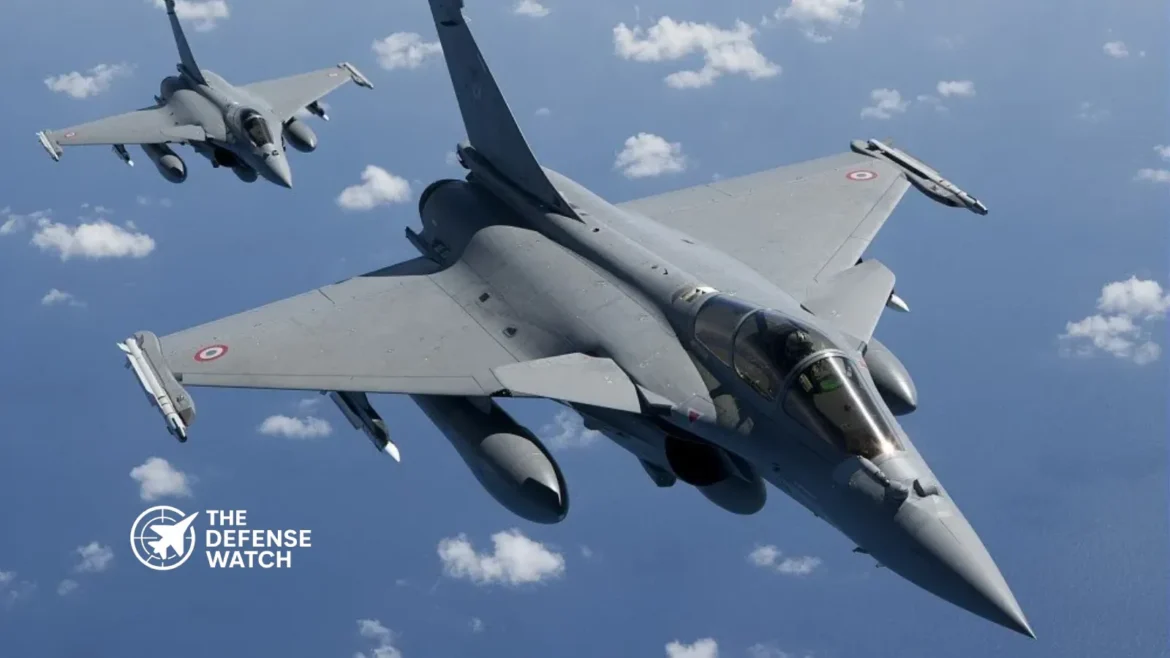
- ► France is considering allowing nuclear-armed Rafale fighters to operate from Belgium under a new deterrence framework.
- ► The proposal would expand the geographic footprint of France’s airborne nuclear deterrent.
- ► Belgium currently hosts U.S. nuclear weapons under NATO nuclear sharing arrangements.
- ► Any deployment would remain under exclusive French political control.
- ► The move signals deeper debate over Europe’s strategic autonomy and nuclear deterrence.
French Nuclear-Armed Rafale Fighters Could Expand To Belgium
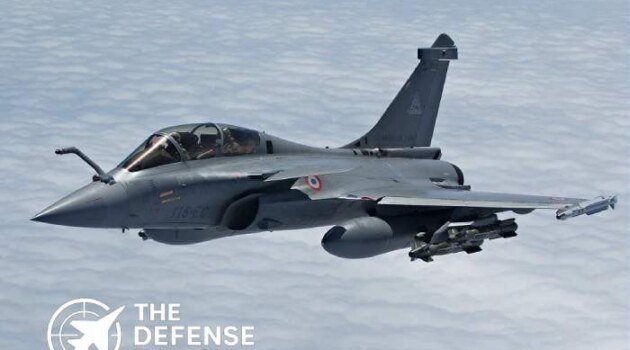
French nuclear-armed Rafale fighters could operate from Belgium under a new deterrence plan now under discussion in Paris and Brussels.
(adsbygoogle = window.adsbygoogle || []).push({});The proposal centers on the possible forward deployment of France’s airborne nuclear deterrent, built around the Dassault Rafale fighter jet. The aircraft carries the air-launched nuclear missile that forms one leg of France’s independent nuclear triad.
If implemented, the move would mark a notable shift in how France signals its strategic posture within Europe.
France’s Independent Nuclear Force
France maintains a strictly national nuclear deterrent, separate from NATO’s integrated command structure. The airborne component is operated by the French Air and Space Force using Rafale fighters equipped to deliver the ASMP A nuclear cruise missile.
Under current doctrine, all nuclear decision-making authority rests with the French president. Any potential deployment of French nuclear-armed Rafale fighters to Belgium would not alter that principle. Operational control would remain exclusively French.
This distinguishes the proposal from NATO’s nuclear sharing arrangements, under which U.S. nuclear weapons are stored in several European countries, including Belgium.
Why Belgium Matters
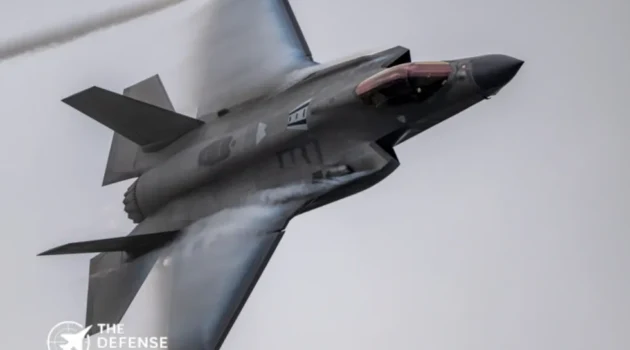
Belgium already plays a role in NATO nuclear policy. The country hosts U.S. nuclear gravity bombs as part of alliance burden-sharing. Belgian F 16 aircraft are being replaced by the Lockheed Martin F-35 Lightning II, which is certified to carry U.S. B61 nuclear weapons.
A French deployment would not replace the NATO framework. Instead, it could supplement Europe’s deterrence posture at a time of heightened concern over Russian nuclear rhetoric and force modernization.
For Brussels, any agreement would carry political sensitivity. Belgium would need to balance alliance commitments, domestic debate, and relations with both Washington and Paris.
Strategic Context In Europe
The discussion reflects a broader European debate about strategic autonomy. Since Russia’s invasion of Ukraine, European governments have accelerated defense spending and reassessed reliance on U.S. security guarantees.
(adsbygoogle = window.adsbygoogle || []).push({});France has long argued that its nuclear deterrent contributes to overall European security. President Emmanuel Macron has previously stated that France’s vital interests have a European dimension, though the force remains nationally controlled.
Stationing French nuclear-armed Rafale fighters in Belgium, even on a rotational basis, would signal a more visible European nuclear footprint. It could also serve as a political message of solidarity within the European Union.
At the same time, analysts note that forward basing introduces operational and security considerations, including infrastructure, protection measures, and clear command arrangements.
Operational And Political Implications
From a military standpoint, deploying Rafale aircraft abroad would extend response options and complicate adversary planning. Geographic dispersion can enhance survivability and flexibility.
However, such a move would also increase diplomatic complexity. NATO cohesion, U.S. European Command planning, and EU defense initiatives would all intersect with the proposal.
Crucially, any change to the posture of French nuclear-armed Rafale fighters would require explicit political approval at the highest level in both countries.
What Comes Next
At this stage, the plan remains under discussion. No formal basing agreement has been announced.
(adsbygoogle = window.adsbygoogle || []).push({});Still, the debate itself underscores how Europe’s nuclear architecture is evolving. French nuclear-armed Rafale fighters operating from Belgium would represent a visible shift toward a more European-centered deterrence model, even as NATO remains the cornerstone of collective defense.
For policymakers in Washington and across Europe, the proposal is less about hardware and more about long-term strategic alignment in an increasingly contested security environment.
France Investigates Rafale Assembly Line Espionage Allegations
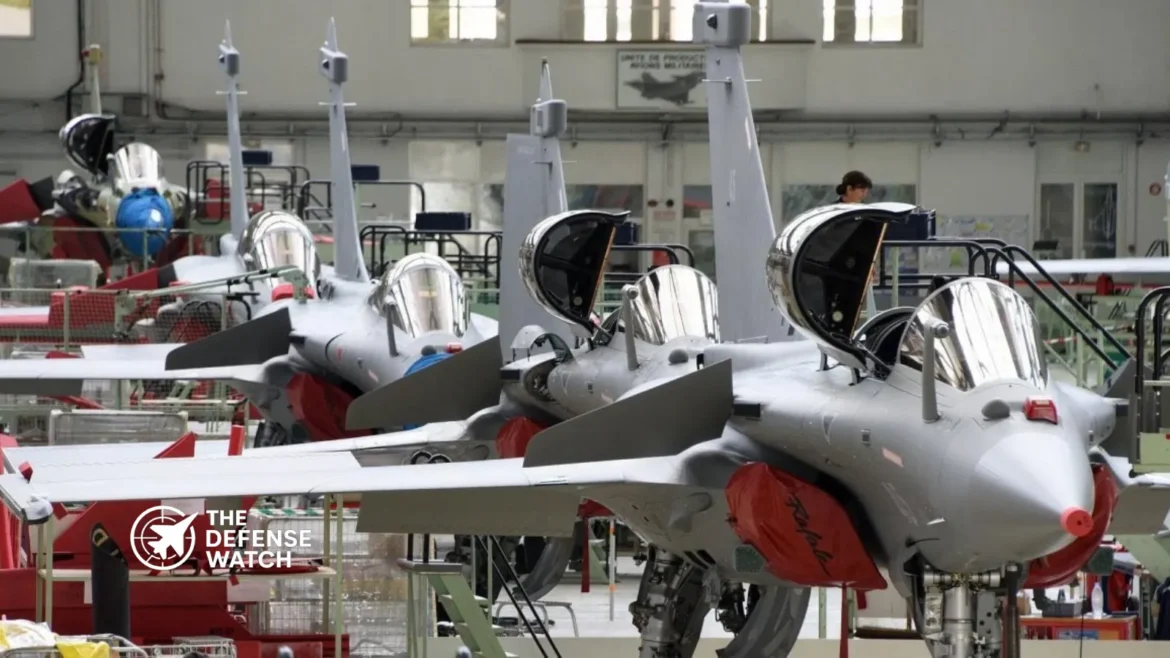
French authorities have launched an investigation into suspected espionage on the Rafale assembly line after a 19 year old temporary worker was reportedly found wearing glasses capable of recording video at a Dassault Aviation facility.
(adsbygoogle = window.adsbygoogle || []).push({});The incident occurred at a production site operated by Dassault Aviation, where the Dassault Rafale fighter jet is assembled. According to French media reports, prosecutors are examining whether the case falls under offenses related to harming the nation’s fundamental interests.
Authorities are working to determine whether sensitive sections of the Rafale assembly line were recorded and whether the act constitutes an intelligence operation.
National Security Concerns At A Strategic Defense Facility
The Rafale assembly line represents one of France’s most sensitive defense industrial assets. The Rafale is a twin engine, multirole combat aircraft that forms the backbone of the French Air and Space Force and French Navy. It is also exported to countries including India, Egypt, Qatar, Greece, and the United Arab Emirates.
Production facilities tied to advanced combat aircraft programs are subject to strict security protocols due to the classified nature of manufacturing processes, avionics integration, radar systems, electronic warfare suites, and weapons interfaces.

Image: Dassault Aviation Under French law, investigations involving potential threats to strategic defense interests can be prosecuted under statutes addressing national security violations. The reported probe is said to fall within that framework.
(adsbygoogle = window.adsbygoogle || []).push({});At the time of writing, French authorities have not publicly confirmed whether any classified material was compromised.
What Investigators Are Assessing
Officials are focused on several key questions:
- Whether the recording capable glasses were actively used inside restricted areas
- Whether sensitive components or processes were captured
- Whether the individual acted independently or under direction
- Whether any data was transmitted or shared
The Rafale assembly line integrates highly sensitive technologies, including the RBE2 AESA radar, electronic warfare systems such as SPECTRA, and mission systems integration. Even partial documentation of layout, assembly sequences, or integration techniques could hold value to foreign intelligence services.
French prosecutors are expected to determine if the case meets the legal threshold for charges related to undermining national defense interests.
(adsbygoogle = window.adsbygoogle || []).push({});Rafale Program Significance
The Dassault Rafale is central to France’s airpower and defense export strategy. Developed by Dassault Aviation, the aircraft supports air superiority, strike, reconnaissance, and nuclear deterrence missions.
Recent export contracts have strengthened its global presence. The United Arab Emirates signed a landmark Rafale deal in 2021, while India continues to expand its fleet. Greece and Croatia have also acquired Rafales as part of European defense modernization efforts.
(adsbygoogle = window.adsbygoogle || []).push({});Given its export footprint, industrial security around Rafale production sites carries both military and economic importance.
See also: France Expands Rafale Exports Amid Rising European Defense Demand
Growing Focus On Industrial Security In Defense Sector
The incident highlights broader concerns about industrial espionage in the global defense sector. Advanced aerospace production lines are high value intelligence targets due to:
- Proprietary manufacturing techniques
- Sensor integration methods
- Electronic warfare configurations
- Structural design details
European defense firms have increased internal security measures in recent years, particularly as geopolitical tensions have intensified following Russia’s invasion of Ukraine and rising strategic competition globally.
Facilities that produce advanced combat aircraft operate under layered access control systems, background checks, compartmentalization protocols, and electronic surveillance safeguards.
(adsbygoogle = window.adsbygoogle || []).push({});The reported use of recording capable wearable technology introduces a modern security challenge. Consumer devices with embedded cameras are widely available, raising questions about screening procedures inside sensitive defense environments.
Legal Framework And Potential Charges
French authorities are reportedly evaluating the case under legal provisions tied to protecting fundamental national interests. These statutes can apply when actions potentially compromise defense secrets or strategic industrial capabilities.
It remains unclear whether the temporary worker had authorized access to sensitive areas or whether internal controls were bypassed.
Investigators are expected to assess digital forensic evidence, access logs, and potential data transmission activity.
At this stage, no official statement has confirmed espionage. The inquiry remains ongoing.
Impact On Dassault And Rafale Production
There is no indication that Rafale production has been disrupted. Dassault Aviation continues to fulfill domestic and international orders as part of its established delivery schedule.
The company has not publicly detailed internal security adjustments following the incident.
(adsbygoogle = window.adsbygoogle || []).push({});Given the strategic importance of the Rafale assembly line, any confirmed breach would likely prompt a review of access protocols and device screening procedures across French defense manufacturing facilities.
Broader Strategic Context
France positions its defense industry as a pillar of national sovereignty. Maintaining control over sensitive aerospace technologies supports both operational independence and export competitiveness.
The Rafale program is closely linked to future initiatives, including the Future Combat Air System effort with Germany and Spain. Industrial security therefore extends beyond current production and into next generation aerospace development.
Any confirmed intelligence breach could carry diplomatic and strategic implications, depending on investigative findings.
For now, authorities emphasize that the investigation remains active and that conclusions have not been reached.
What Happens Next
The French judiciary will determine whether formal charges are warranted. Investigators are likely to:
- Review surveillance footage
- Conduct forensic analysis of the recording device
- Examine communications records
- Assess intent and possible affiliations
Until findings are released, officials are avoiding definitive conclusions.
The case underscores the continued vulnerability of advanced defense programs to insider risks and modern surveillance technologies.

Rafale Fighter Jet Capabilities: A Deep Dive
The Dassault Rafale, often referred to simply as the Rafale jet, is one of the most advanced multirole fighter aircraft in service today. Designed and built by France’s Dassault Aviation, the Rafale has become a symbol of French aerospace innovation and defense autonomy.
As a “omnirole” fighter, the Rafale is capable of performing air superiority, ground attack, reconnaissance, and nuclear deterrence missions within a single sortie. The aircraft is currently operated by the French Air and Space Force and the French Navy, with exports to India, Egypt, Greece, Croatia, and the United Arab Emirates strengthening its global footprint.
With increasing international attention on advanced combat aircraft, defense observers frequently compare the Rafale’s capabilities to those of leading U.S. fighters such as the F-16 Fighting Falcon, F/A-18 Super Hornet, and even the fifth-generation F-35 Lightning II.
What is the Rafale?
The Rafale is a twin-engine, delta-wing, multirole fighter equipped with advanced avionics, sensor fusion, and fly-by-wire controls. Developed to replace a diverse mix of French legacy aircraft, it was designed to handle all mission types without relying on a broad fleet mix.
Key specifications include:
- Engines: Two Snecma M88 turbofans
- Maximum speed: Mach 1.8
- Combat range: Over 1,800 km with external fuel tanks
- Armament: 30mm GIAT cannon, 14 hardpoints for air-to-air and air-to-ground munitions
- Weapons compatibility: Meteor beyond-visual-range missiles, SCALP cruise missiles, AM39 Exocet anti-ship missiles, and nuclear-capable ASMP-A
This versatility makes the Rafale especially appealing to air forces seeking independence from U.S. or Russian fighter procurement lines.
Rafale Fighter Jet vs. U.S. Aircraft
When compared to American platforms, the Rafale occupies an intermediate position between fourth-generation and fifth-generation fighters.
- Against the F-16: The Rafale offers superior avionics, sensor integration, and weapons load, but the F-16 remains cheaper and more widely available.
- Against the F/A-18 Super Hornet: Both aircraft share carrier-operating capabilities, though the Rafale’s advanced missiles and electronic warfare suite give it an edge.
- Against the F-35 Lightning II: The Rafale lacks stealth, but it is combat-proven, less dependent on software-driven logistics, and fully sovereign in production—an advantage for export customers wary of foreign restrictions.
France also emphasizes the Rafale’s interoperability with NATO allies, although the U.S. maintains a clear technological lead in stealth and network-centric warfare capabilities.
Operational Record
The Rafale has been combat-proven in Afghanistan, Libya, Mali, Iraq, and Syria, where it conducted precision strikes, close air support, and intelligence missions. Its reliability and flexibility in expeditionary operations have bolstered its reputation as a highly dependable aircraft.
Export customers such as India, which ordered 36 Rafales under a $9.4 billion deal, view the aircraft as a strategic asset in countering regional threats. In the Middle East, UAE and Egyptian acquisitions further highlight the Rafale’s growing role in reshaping regional airpower balances.
Analysis: The Rafale’s Strategic Value
The Rafale’s greatest strength lies in its balance between technology, sovereignty, and versatility. Unlike U.S. fighters, which often involve restrictions on weapons integration and mission software, the Rafale offers customers full operational independence.
For countries outside the NATO sphere, this independence is crucial. Nations like India and the UAE see the Rafale as a way to diversify defense procurement and avoid overdependence on U.S. or Russian suppliers.
At the same time, the Rafale cannot entirely match the fifth-generation advantages of stealth aircraft like the F-35 or F-22. Its survivability against advanced integrated air defense systems (IADS) may be more limited, though France continues to upgrade the jet with new sensors, radar, and weaponry to maintain competitiveness.
FAQs
What is the Rafale fighter jet?The Rafale is a French twin-engine multirole fighter jet developed by Dassault Aviation, capable of air-to-air, air-to-ground, and reconnaissance missions.
How does the Rafale compare to U.S. fighter jets?The Rafale offers advanced avionics and weapons versatility, outperforming older U.S. fighters like the F-16, but falls short of the stealth advantages of the F-35.
Which countries operate the Rafale jet?France, India, Egypt, Greece, Croatia, and the United Arab Emirates currently operate or have ordered the Rafale.
What weapons can the Rafale carry?It can carry Meteor air-to-air missiles, SCALP cruise missiles, AM39 Exocet anti-ship missiles, precision-guided bombs, and nuclear-capable ASMP-A.
Is the Rafale considered a fifth-generation fighter?No, the Rafale is classified as a 4.5-generation fighter, bridging the gap between fourth-generation and fifth-generation aircraft.