
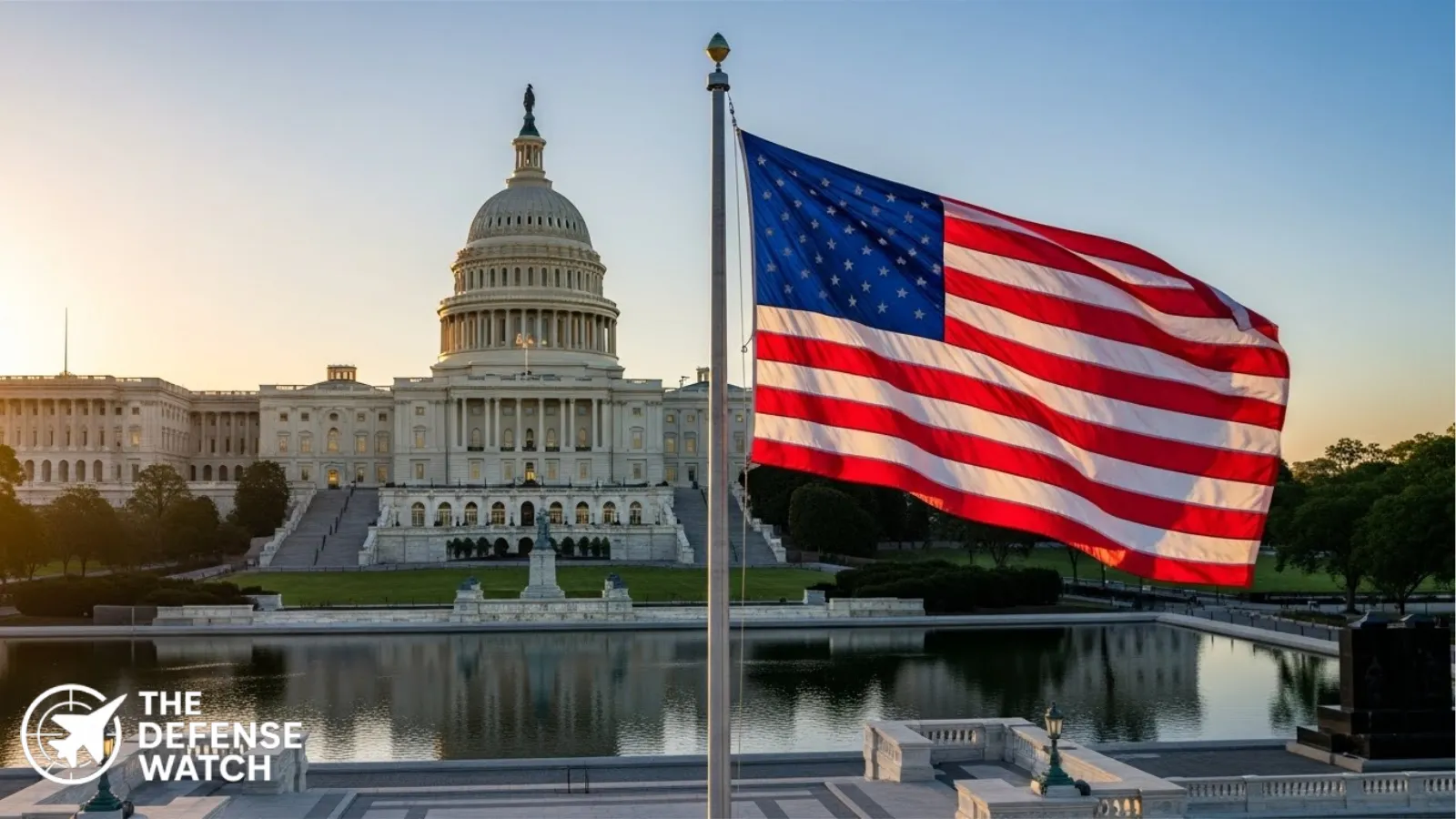
Congress passed the fiscal year 2026 National Defense Authorization Act this week. The defense bill includes up to one billion dollars for Taiwan security cooperation and directs the Pentagon to start a joint drone program with Taiwanese officials. The House approved the measure in a 312 to 112 vote. The Senate is expected to clear it soon.
The main keyword, defense bill, anchors the conversation in Washington as lawmakers move to strengthen ties with Taipei at a time of rising concern over Chinese military pressure.
The bill instructs Defense Secretary Pete Hegseth to begin formal engagement with Taiwan on co-developing and co-producing drone and counter drone systems by March 1, 2026. This marks one of the most significant congressional pushes so far to expand combined capability development with Taipei.
Background
For the past several years, U.S. lawmakers have increased funding and authorities aimed at improving Taiwan’s ability to withstand a potential military campaign by the People’s Liberation Army. Congress has used both security assistance packages and policy directives to move Taipei toward more dispersed weapons, mobile air defenses, and resilient command and control.
Funding in the defense bill adds to these efforts. The one billion dollars authorized for Fiscal Year 2026 follows a pattern of rising support seen in recent cycles. While the bill does not appropriate funds, it sets the policy framework and signals congressional intent.
U.S. officials have warned that China continues to expand naval and air activity around the island. Senior defense leaders state that joint planning, faster arms delivery, and shared technology development are needed to close gaps in Taiwan’s current defense posture.
Details of the Legislation
Drone and Counter Drone Program
The requirement for a joint drone effort stands out. It directs the Pentagon to coordinate directly with Taiwan’s defense ministry on design, engineering, and production. This includes intelligence and surveillance drones and short range systems that can counter swarms or small unmanned aircraft.
Congress wants the Pentagon to report progress on these engagements and outline timelines, goals, and integration plans. Lawmakers argue that drones provide rapid fielding potential and give Taiwan better coverage of coastal areas, straits, and chokepoints.
Security Cooperation Funding
The defense bill outlines how the one billion dollars can be used. Assistance includes training, equipment, and advisory support. Congress also encourages the Pentagon to expand combined exercises and improve interoperability in logistics and communications.
Strategic Signals
The legislation appears aimed at both capability building and deterrence signaling. Washington wants to show long term political commitment to Taiwan’s defense. By focusing on shared production and joint development, the bill also ties Taiwan more deeply into U.S. supply chains.
Expert and Policy Perspective
Analysts note that the focus on drones matches the direction of recent conflicts. Low cost and expendable platforms can slow amphibious forces, protect coastal units, and support rapid strike operations. Experts also say counter drone tools are vital as China expands its own unmanned programs at scale.
Policy specialists highlight that co-production carries political weight. Joint manufacturing reduces delivery delays and gives Taiwan domestic capacity at a time when foreign arms sales face backlog pressure. It may also help Taipei move toward an asymmetric posture centered on mobility and resilience.
Some analysts caution that the defense bill still depends on appropriations and follow through. They note that Washington must balance support to Taiwan with competing global commitments.
What Comes Next
The Senate is expected to approve the defense bill soon, followed by the president’s signature. Once enacted, the Pentagon will begin planning the joint drone program and coordinate with Taipei to outline next steps. Funding decisions will move through the appropriations process.
U.S. officials say they expect more cooperation in coastal defense, intelligence sharing, and joint training over the next year. Congressional committees plan to track progress through regular reporting requirements.
Get real time update about this post category directly on your device, subscribe now.

1 comment
[…] agencies are expected to release further details after completing technical examinations of the drone. Meanwhile, regional observers will continue monitoring UAV activity to anticipate potential […]