
- ► The UK and Norway signed a new naval helicopter cooperation agreement focused on support, training, and sustainment.
- ► The pact strengthens collaboration between the Royal Navy and the Royal Norwegian Navy.
- ► Cooperation includes maritime helicopter training, maintenance, and logistics support.
- ► The agreement supports NATO operations in the North Atlantic and High North.
- ► The move reflects broader UK Norway defense cooperation amid rising regional tensions.
UK And Norway Sign Naval Helicopter Pact To Expand Maritime Cooperation
The UK and Norway naval helicopter pact marks a new step in deepening maritime defense cooperation between London and Oslo, reinforcing operational ties across the North Atlantic and High North.
Under the agreement, both governments will enhance collaboration on naval helicopter operations, training, maintenance, and long term sustainment. The deal reflects growing alignment between the two NATO allies as security concerns intensify in Northern Europe.
Cting official statements from the UK Ministry of Defence and Norwegian authorities.
Expanding Maritime Aviation Cooperation
The UK and Norway naval helicopter pact builds on an already close defense relationship between the two countries. Both operate advanced maritime helicopters and share similar operational environments, particularly in cold weather and high latitude conditions.
The UK’s Royal Navy and Norway’s Royal Norwegian Navy routinely conduct joint exercises across the North Atlantic. Helicopters play a central role in anti submarine warfare, surface surveillance, search and rescue, and fleet protection.
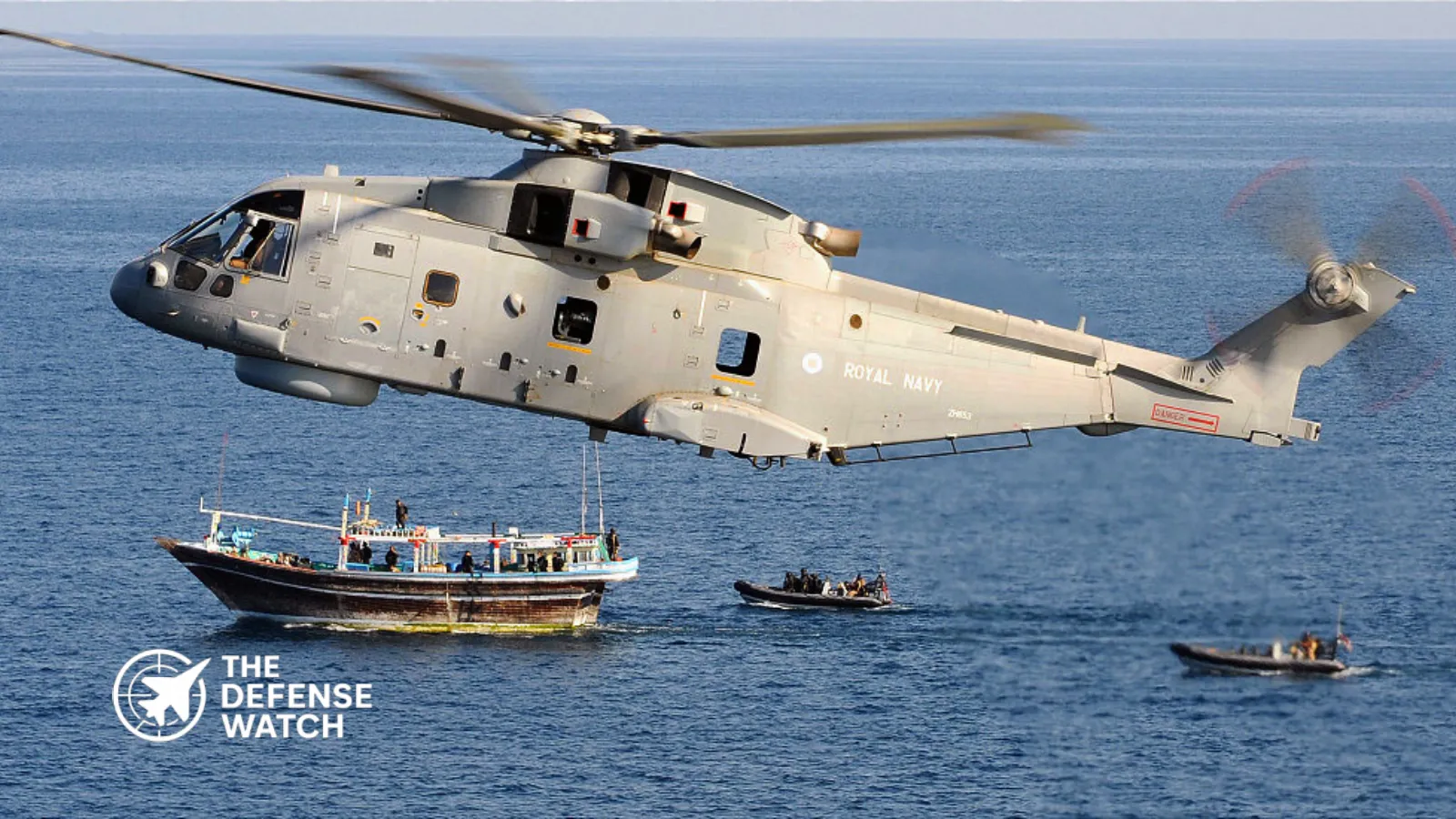
While specific platform details were not fully outlined in the initial announcement, cooperation is expected to involve maritime rotorcraft used for anti submarine and anti surface missions. For the UK, this includes aircraft such as the AgustaWestland AW101 Merlin, which serves as a backbone of Royal Navy carrier and frigate operations.
Norway also operates maritime helicopter platforms designed to support frigate and coastal defense missions. Shared sustainment and training frameworks can reduce costs, improve availability, and standardize procedures.
Strategic Context: The High North And NATO
The timing of the UK and Norway naval helicopter pact is significant. The High North has become an increasingly sensitive operational theater following Russia’s expanded military activity and the broader shift in European security after the invasion of Ukraine.
The United Kingdom has steadily increased its focus on northern maritime security. British forces regularly deploy to Norway for cold weather training, and London has committed to strengthening its presence in the Arctic and North Atlantic regions.
From a NATO perspective, helicopter interoperability is more than a technical issue. Maritime helicopters extend the sensor and strike range of surface combatants. They are often the first line of detection against submarines operating in contested waters.
By aligning training and maintenance standards, the UK and Norway reduce friction during joint operations. That matters in crisis scenarios where rapid integration can determine operational effectiveness.
Sustainment And Industrial Implications
Defense cooperation agreements of this type often have industrial consequences. Shared sustainment may open opportunities for cross support arrangements, spare parts pooling, and joint maintenance hubs.
Although no major procurement announcement accompanied the pact, closer collaboration can shape future acquisition decisions. When two allies operate similar systems and share infrastructure, lifecycle costs tend to decline.
For Norway, working closely with the UK provides access to one of Europe’s most experienced naval aviation communities. For the UK, deeper ties with Norway strengthen its northern flank strategy and reinforce its credibility as a leading European naval power.
Building Long Term Defense Alignment
The UK and Norway naval helicopter pact should be seen as part of a wider pattern of bilateral and multilateral defense integration across Europe.
Both nations are active contributors to NATO maritime groups and regularly participate in allied exercises in the North Atlantic. Naval helicopters are central to these missions, especially in anti submarine warfare and maritime domain awareness.
In practical terms, joint training ensures crews can operate from each other’s ships when required. Shared maintenance practices improve aircraft readiness rates. Common doctrine reduces risk during complex operations.
These incremental steps often receive less attention than major weapons purchases. Yet they are foundational to credible deterrence. Modern maritime operations depend not just on platforms, but on sustained readiness and seamless cooperation.
Why This Pact Matters
At first glance, the UK and Norway naval helicopter pact may appear technical. In reality, it reinforces three strategic objectives.
First, it strengthens NATO’s northern maritime posture at a time of heightened tension.
Second, it improves fleet readiness through shared logistics and training.
Third, it signals long term political alignment between two key maritime nations.
As Europe continues to adapt to a more contested security environment, agreements focused on operational integration will likely become more common.
For London and Oslo, the message is clear. Maritime security in the North Atlantic and High North remains a shared priority, and naval aviation is central to that mission.
Get real time update about this post category directly on your device, subscribe now.
