
Tripoli Expeditionary Strike Group Begins Routine Operations in 7th Fleet
The Tripoli Expeditionary Strike Group is conducting routine operations in the US Navy’s 7th Fleet area of operations in the Indo-Pacific region, marking a forward-deployed presence aimed at reinforcing regional security and interoperability with allies and partners, according to a US Navy press release.
The group is centered on the America-class amphibious assault ship USS Tripoli (LHA 7), serving as flagship, and includes the Ticonderoga-class guided-missile cruiser USS Robert Smalls (CG 62) and the Arleigh Burke-class destroyer USS Rafael Peralta (DDG 115), alongside the 31st Marine Expeditionary Unit (MEU).
Rear Admiral Tom Shultz, commander of the Tripoli Expeditionary Strike Group, said the formation promotes peace and security by ensuring freedom of navigation and access to the seas. The strike group’s capabilities span air, land, and sea domains with anti-air, anti-surface, and anti-submarine warfare potential.
Permanent Forward Presence and Multi-domain Readiness
This deployment marks Tripoli’s first assignment as the permanent forward-deployed flagship of its expeditionary strike group in the 7th Fleet area. The 31st MEU provides a flexible, combat-capable force that can respond to crises, support allied operations, and conduct amphibious and joint multi-domain missions.
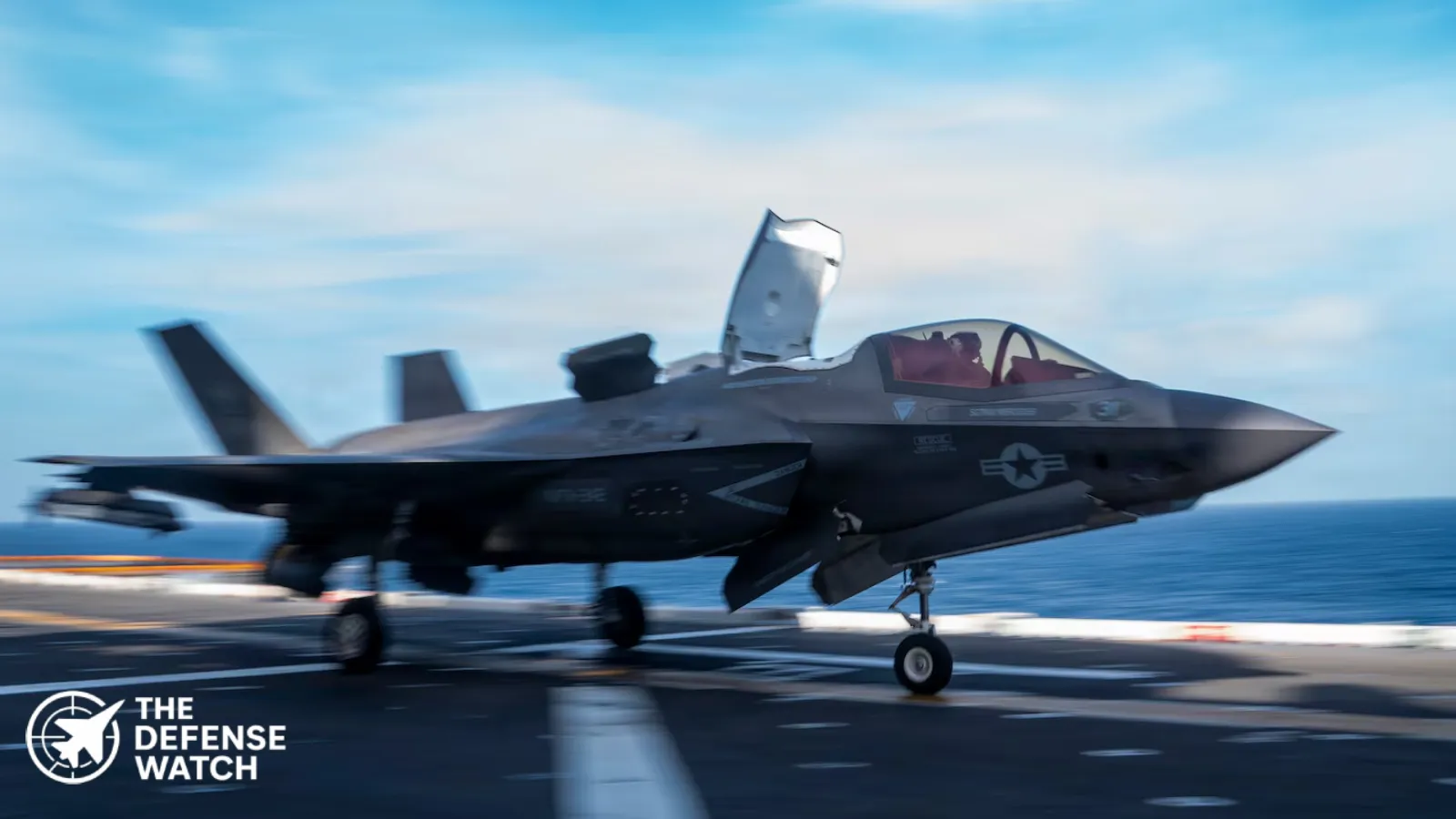
A detachment of F-35B Lightning II aircraft from Marine Fighter Attack Squadron 242 embarked on Tripoli boosts the strike group’s operational flexibility and stealth capabilities during flight operations in the region.
The US 7th Fleet, the largest forward-deployed numbered fleet in the US Navy, regularly works with regional partners to uphold a free and open Indo-Pacific maritime order, advancing deterrence and security cooperation.
Regional Engagement and Presence
Port visits have supported diplomatic engagement. In December 2025, USS Tripoli and USS Robert Smalls made a scheduled stop in Da Nang, Vietnam, participating in arrival ceremonies with local and naval officials, reinforcing partnership ties in Southeast Asia.
Tripoli’s forward deployment to Sasebo, Japan, began mid-2025 as part of rotational force posture designed to maintain continuous amphibious readiness in the region.
Strategic Context
The sustained presence of amphibious strike groups like Tripoli’s in the Indo-Pacific underscores US commitment to allied support and deterrence. The 31st MEU’s relationships with units such as Japan’s Amphibious Rapid Deployment Brigade and Special Operations Command Pacific enhance interoperability and joint readiness.
Get real time update about this post category directly on your device, subscribe now.
