
UK Rules Out Buying Light Tank Capability As Army Focuses On Heavy Armor
The UK rules out buying light tank capability, confirming that the British Army has no plans to procure a dedicated light tank platform as part of its current modernization strategy.
According to reporting by the UK Defence Journal, the British government stated that there are no active programs or funded requirements to acquire a light tank. The clarification came in response to parliamentary questions about whether the Army would pursue a lighter armored vehicle to complement or replace elements of its existing heavy armor fleet.
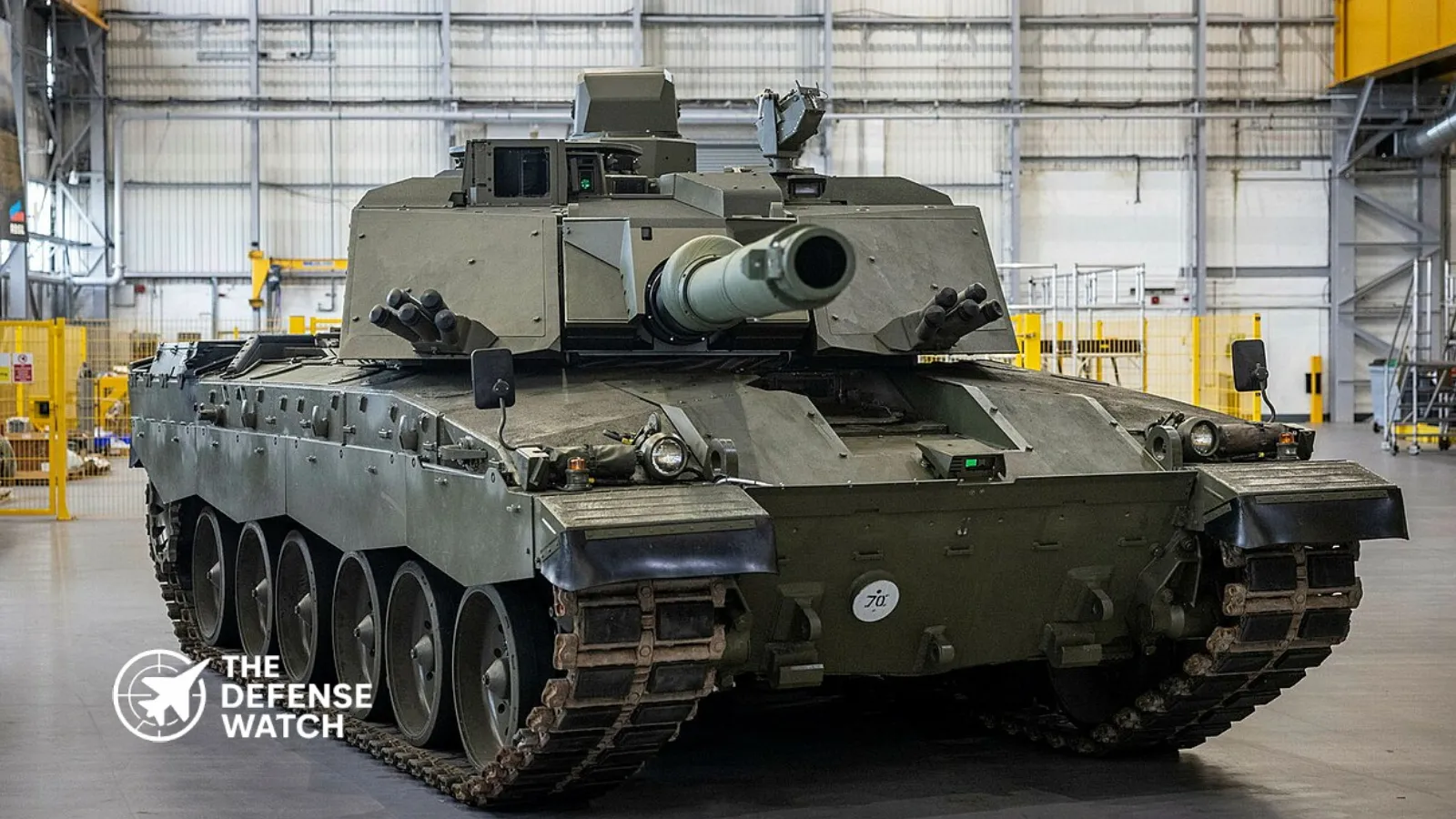
Instead, London is concentrating on upgrading and restructuring its core armored forces, particularly through the Challenger 3 main battle tank program.
- ► The UK has confirmed it will not pursue a dedicated light tank capability for the British Army.
- ► The decision was outlined in a formal government response to parliamentary questions.
- ► The Army’s armored modernization strategy centers on upgrading 148 Challenger 2 tanks to the Challenger 3 standard.
- ► Challenger 3 will feature a new turret, 120 mm smoothbore gun, enhanced protection, and digital systems aligned with NATO standards.
- ► The UK is prioritizing heavy armor modernization over introducing a new light tracked gun platform.
- ► Budget pressures and broader defense priorities influenced the decision not to launch a light tank procurement program.
- ► The move aligns with the UK’s focus on high intensity NATO deterrence missions in Europe.
No Dedicated Light Tank Requirement
The decision effectively ends speculation that the British Army might follow other NATO members in fielding a lighter tracked gun platform designed for rapid deployment or expeditionary operations.
In a formal response, the government indicated that there is no current requirement for a light tank capability within the Army’s force structure. Officials emphasized that modernization efforts are centered on enhancing lethality, survivability, and integration across existing armored units rather than introducing a new vehicle class.
The British Army currently operates the Challenger 2 main battle tank, which is being upgraded to the Challenger 3 standard under a contract awarded to Rheinmetall BAE Systems Land. The Challenger 3 program will introduce a new turret, a 120 mm smoothbore gun, improved protection, and digital systems aligned with NATO standards.
Focus On Challenger 3 And Armored Modernization
The Challenger 3 upgrade remains the centerpiece of the UK’s heavy armor strategy. The Ministry of Defence has committed to modernizing 148 Challenger 2 tanks to the new standard, ensuring that the Army retains a credible armored warfare capability well into the 2030s and beyond.
This approach signals a continued emphasis on heavy tracked formations rather than lighter, more deployable armored gun systems. While some allies have invested in platforms often described as light tanks or mobile protected firepower vehicles, the UK appears to view its future armored needs through the lens of high-intensity, peer-level conflict.
British defense policy documents in recent years have increasingly focused on deterrence in Europe, particularly in light of Russia’s invasion of Ukraine. Heavy armor, including main battle tanks, has re-emerged as a central element of land warfare in such scenarios.
Strategic Context And NATO Considerations
Several NATO members are reassessing their armored fleets based on lessons from Ukraine, where both heavy tanks and lighter armored vehicles have played significant roles. The British decision not to pursue a light tank capability suggests confidence that its existing structure, supported by allied capabilities, is sufficient.
The Army’s future force design, outlined in previous defense reviews, emphasizes brigade-level combat teams built around armored and mechanized infantry units. Rather than adding a new light tank fleet, the UK is investing in upgraded tanks, infantry fighting vehicles, and supporting enablers such as long-range fires and air defense.
Defense analysts note that introducing a light tank would require significant funding, logistics support, training pipelines, and industrial arrangements. In a constrained budget environment, such a move could have required trade-offs elsewhere in the force.
Budget Pressures And Procurement Priorities
The UK’s defense budget has faced sustained pressure from inflation, equipment cost growth, and competing priorities across air, maritime, cyber, and space domains. In this context, the decision to avoid launching a new light tank program may reflect broader fiscal discipline.
Recent British defense initiatives have prioritized nuclear deterrence, combat air development under the Global Combat Air Programme, naval recapitalization, and armored modernization centered on Challenger 3.
By ruling out buying light tank capability, the government narrows its land procurement focus and reduces the risk of overextension across multiple armored programs.
Implications For Industry
The absence of a light tank requirement also limits near-term opportunities for domestic or foreign manufacturers seeking to enter the UK tracked vehicle market with a lighter platform.
Rheinmetall BAE Systems Land remains the primary industrial partner for heavy armor modernization through Challenger 3. Without a light tank competition, there will be no parallel procurement process that could introduce additional tracked gun systems into British service.
From an industrial perspective, this consolidates resources around existing upgrade programs rather than opening a new acquisition pathway.
Operational Trade-Offs
The debate over light tanks typically centers on deployability versus protection. Lighter platforms can be easier to transport by air or sea and may be better suited to certain expeditionary missions. However, they generally offer less armor protection and survivability compared to main battle tanks.
By choosing not to pursue such a capability, the UK signals that it values heavy armor’s protection and firepower advantages for its anticipated operating environments.
This does not eliminate the Army’s ability to deploy lighter forces. The British Army operates a range of wheeled and tracked armored vehicles for reconnaissance, infantry support, and rapid response. But none are designed as direct light tank equivalents with a large-caliber main gun in a lighter chassis.
Alignment With Broader Defense Strategy
The decision that the UK rules out buying light tank capability aligns with a broader trend of streamlining force structures around defined priorities.
British defense policy since the Integrated Review and its subsequent refresh has emphasized readiness, resilience, and interoperability with NATO allies. Heavy armored units equipped with Challenger 3 are expected to contribute to deterrence and collective defense missions in Europe.
By maintaining a smaller but more modernized tank fleet rather than diversifying into additional vehicle classes, the Army appears focused on delivering depth and quality within constrained resources.
Conclusion
The confirmation that the UK rules out buying light tank capability marks a clear policy choice in the British Army’s modernization path. Rather than introducing a new category of armored vehicle, London is doubling down on upgrading its existing heavy armor and refining its force structure for high-intensity operations.
As European security dynamics continue to evolve, the effectiveness of this approach will depend on how well upgraded Challenger 3 units integrate with mechanized infantry, long-range fires, and allied forces across NATO.
For now, the UK’s position is unambiguous: no light tank program is planned, and heavy armor remains the core of its tracked combat capability.
Get real time update about this post category directly on your device, subscribe now.


