U.S. Will Triple PAC-3 MSE Interceptor Production by 2033
The U.S. will significantly expand PAC-3 MSE interceptor production under a new long-term framework agreement with Lockheed Martin, aiming to raise annual output from about 600 missiles to roughly 2,000 by 2033. The agreement was announced on January 6, 2026, and is tied to future congressional funding approvals, according to the U.S. Department of Defense and Lockheed Martin.
The deal reflects growing pressure on U.S. and allied missile defense stockpiles as high-end air and missile threats continue to drive demand. PAC-3 MSE is the primary interceptor used by the Patriot air and missile defense system, a core element of U.S. Army and allied integrated air defense.
Shift to Sustained High-Rate Production
Unlike past year-to-year procurement, the framework agreement is designed to provide long-term demand certainty. The Pentagon will pair predictable ordering with stricter delivery accountability and multi-year supplier contracts. Lockheed Martin says this approach allows investments in tooling, workforce, and throughput without large upfront costs, while reducing lead times across the supply chain.
The company supports PAC-3 MSE production through a supplier network of more than 13,000 firms, many of which have faced strain from uneven demand cycles.
PAC-3 MSE Capabilities
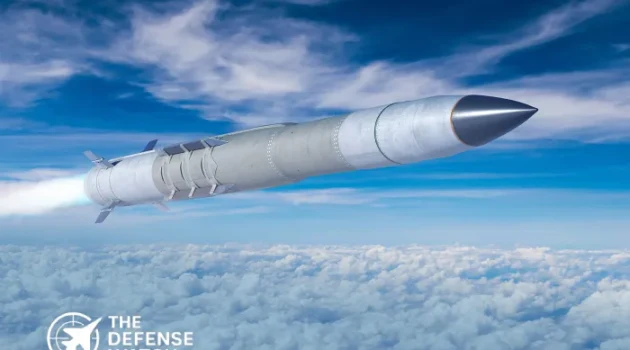
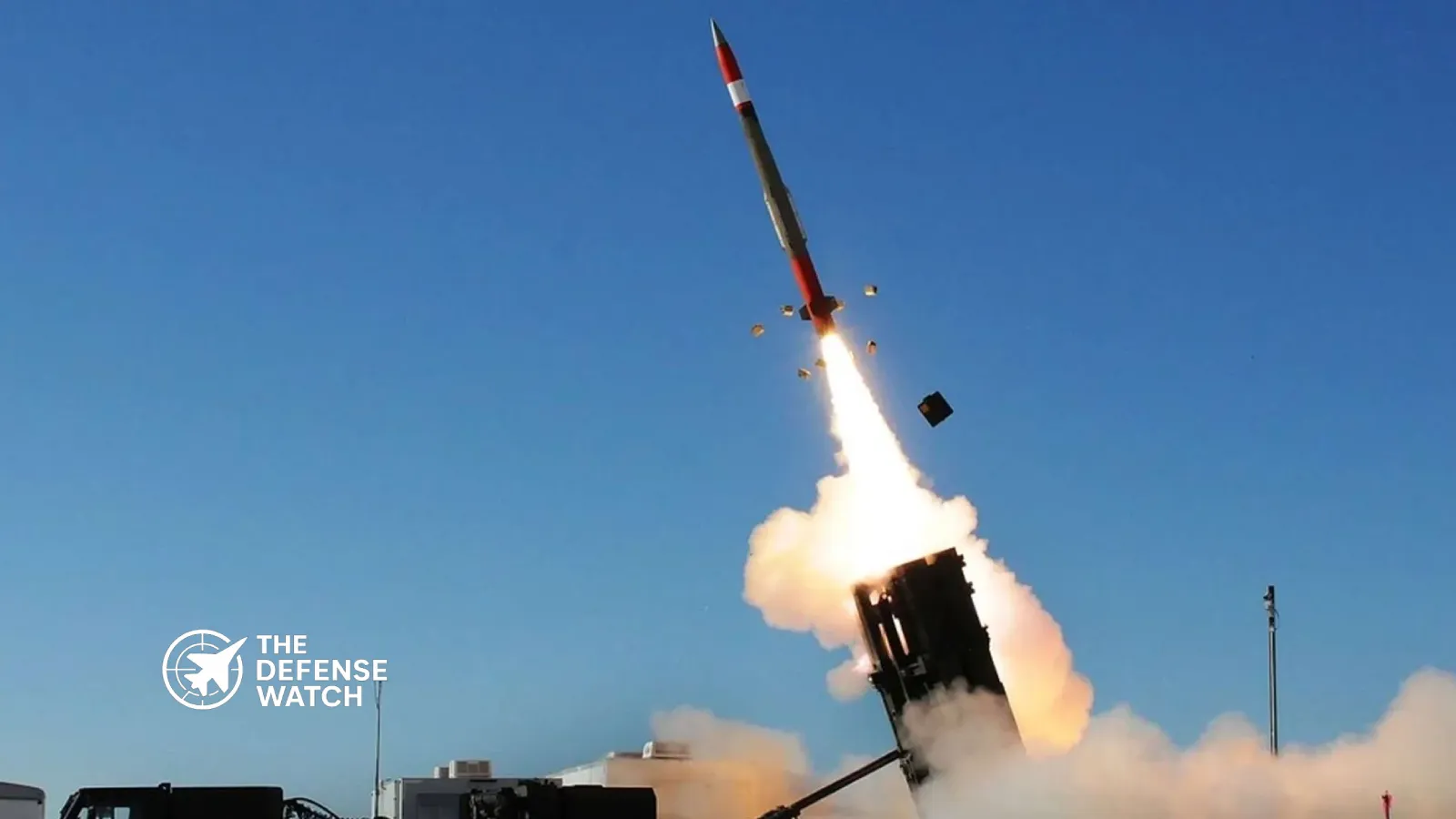
PAC-3 MSE is a hit-to-kill interceptor that destroys targets through direct impact rather than an explosive warhead. It features a dual-pulse solid rocket motor for increased range and altitude, an active Ka-band radar seeker, and a forward-mounted attitude control system that enables sharp endgame maneuvering.
Each Patriot launcher can carry up to 12 PAC-3 MSE interceptors, giving batteries higher magazine depth against saturation attacks.
Implications for the U.S. and Allies
Seventeen countries operate or have selected PAC-3 MSE, including Germany, Japan, Poland, South Korea, and several Middle Eastern partners. Higher production rates are expected to support U.S. Army readiness while improving supply reliability for allied forces during extended crises.
At the industrial level, sustained production could also enable expanded co-production and regional manufacturing among partners, strengthening long-term missile defense capacity.
Get real time update about this post category directly on your device, subscribe now.