U.S. Army Accepts First XM8 Carbine Delivery
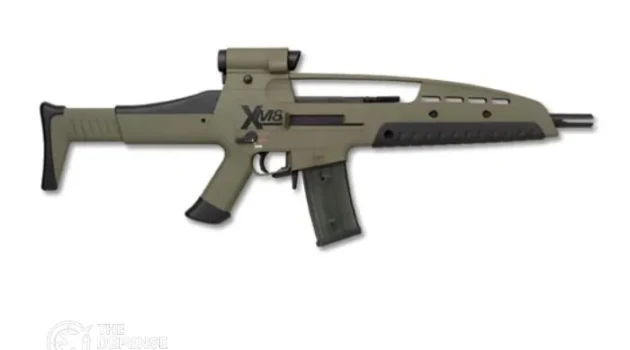
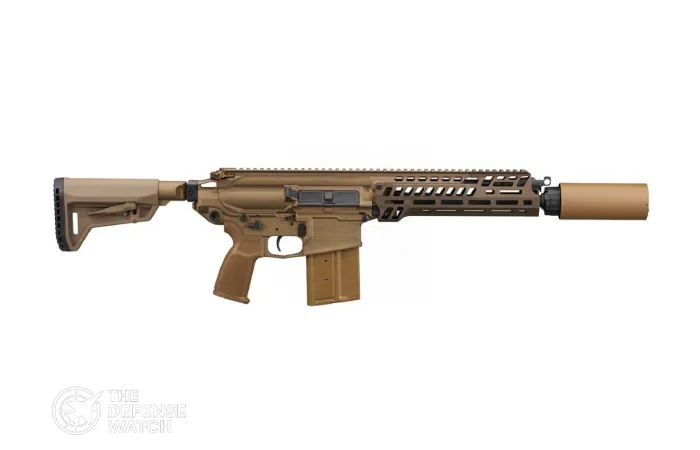
The XM8 carbine U.S. Army program has reached a key milestone with the acceptance of the first delivery from SIG Sauer, marking a renewed push to modernize frontline infantry capabilities.
The initial batch of XM8 carbines has been formally delivered to the U.S. Army, signaling progress in efforts to replace or supplement legacy small arms systems. The move comes as the Army continues to prioritize lethality, reliability, and adaptability in evolving combat environments.
While details on deployment timelines remain limited, the delivery confirms that the XM8 platform is moving from concept and evaluation toward operational integration.
- U.S. Army has accepted its first XM8 carbine delivery from SIG Sauer as part of ongoing infantry modernization efforts.
- The XM8 platform is designed to enhance reliability, modularity, and battlefield adaptability over legacy systems.
- The delivery supports broader efforts to upgrade small arms capability across frontline combat units.
- SIG Sauer continues to expand its role as a key supplier of next generation U.S. Army infantry weapons.
- The move reflects a strategic shift toward more advanced, modular, and future ready weapon systems.
A Renewed Push for Infantry Modernization
The XM8 carbine U.S. Army initiative reflects a broader modernization strategy aimed at addressing emerging threats and closing capability gaps in small arms performance.
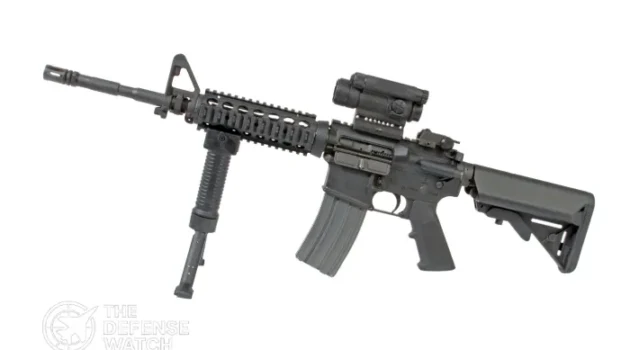
For years, the Army has relied heavily on the M4 carbine platform. While proven in combat, the M4 faces limitations in range, lethality, and modular flexibility against near peer adversaries. The XM8, originally developed as part of earlier modernization efforts, has re-emerged as a potential solution to these challenges.
The system is designed with a modular architecture, allowing it to be configured for different mission profiles, including standard infantry use, designated marksman roles, and close quarters operations. This flexibility is increasingly important as U.S. forces prepare for multi domain operations across diverse theaters.
SIG Sauer’s Expanding Role
The SIG Sauer XM8 rifle delivery underscores the company’s growing footprint in U.S. military small arms programs. SIG Sauer has already secured major contracts in recent years, including the Next Generation Squad Weapon program, which introduced the XM7 rifle and XM250 automatic rifle.
By delivering the XM8 platform, SIG Sauer is reinforcing its position as a central player in the Army’s transition toward next generation infantry weapons.
This consolidation of suppliers may also streamline logistics and training, as multiple systems share design philosophies and operational concepts. However, it also places increased responsibility on a single manufacturer to meet performance and delivery expectations.
Operational Implications on the Battlefield
The introduction of the XM8 carbine U.S. Army system could have tangible effects on battlefield performance, particularly in terms of reliability and adaptability.
One of the key advantages often associated with the XM8 design is improved durability under harsh conditions. Past small arms programs have emphasized the need for weapons that can perform consistently in extreme environments, from desert heat to arctic cold.

Additionally, the XM8’s modular design supports rapid customization. Units can adjust configurations based on mission requirements without needing entirely different weapon systems. This reduces logistical burden while increasing tactical flexibility.
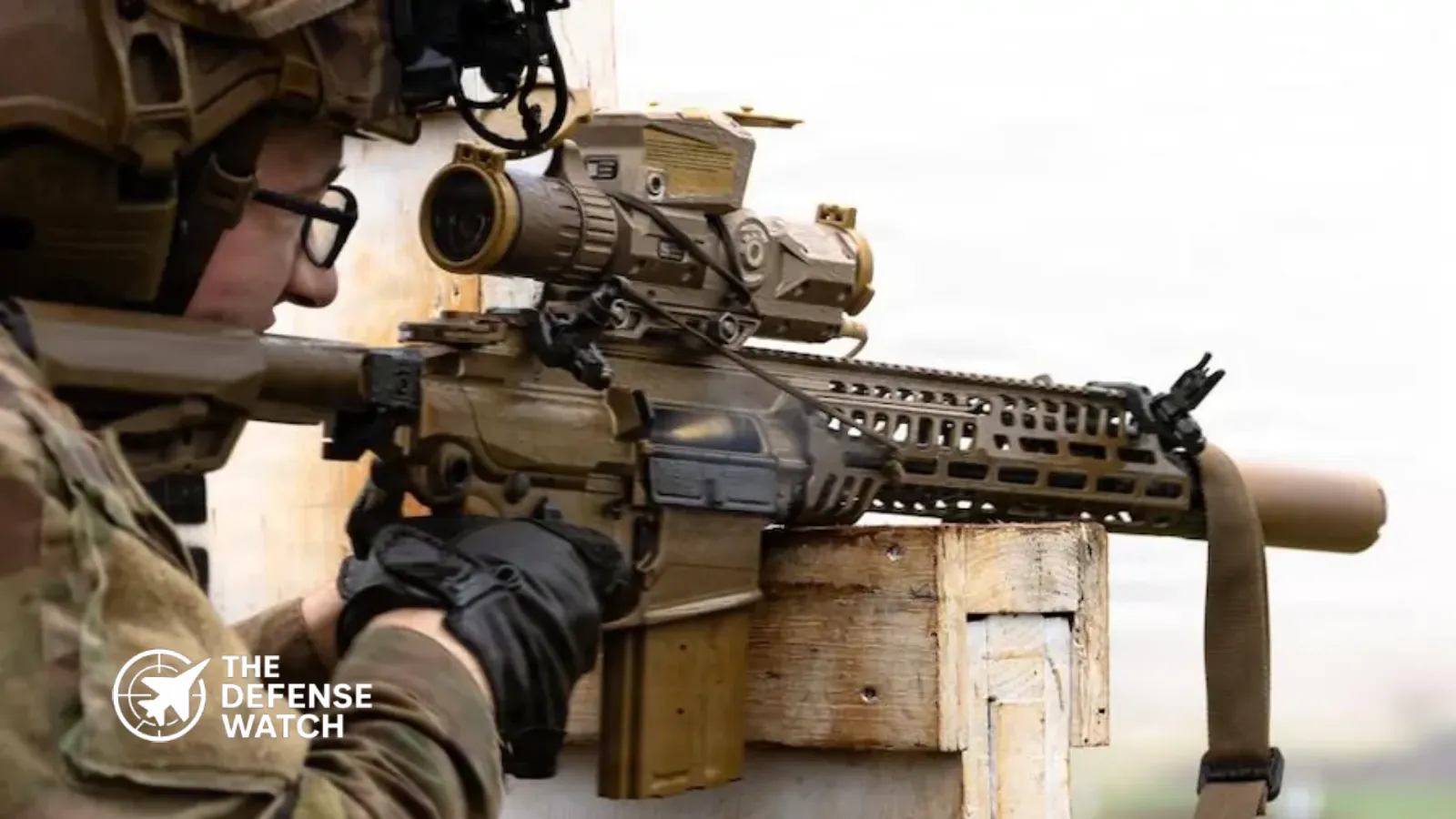
From a combat perspective, enhancements in ergonomics, weight distribution, and accessory integration may also improve soldier effectiveness and reduce fatigue during extended operations.
Strategic Context: Preparing for Peer Conflict
The U.S. Army infantry modernization effort, including the XM8 program, is closely tied to preparations for potential high intensity conflict against near peer adversaries.
In such scenarios, small arms are not just individual weapons but part of a larger system of systems that includes sensors, communications, and precision targeting. The XM8’s design aligns with this approach, enabling integration with advanced optics, fire control systems, and digital battlefield networks.
This shift reflects lessons learned from recent conflicts, where adaptability and rapid decision making have proven critical. Modern infantry units must be equipped with weapons that support these requirements without adding unnecessary complexity.
Challenges and Considerations
Despite the progress, the XM8 carbine U.S. Army program is not without challenges.
First, integration into existing force structures will require training, maintenance adjustments, and logistical planning. Transitioning from established platforms like the M4 is a complex process that involves more than simply issuing new weapons.
Second, questions remain about long term procurement scale. It is unclear whether the XM8 will fully replace existing systems or serve as a complementary platform within a broader small arms ecosystem.
Finally, budget pressures and competing priorities could influence the pace of adoption. The Army must balance investments across multiple modernization programs, including armored vehicles, long range fires, and air defense.
What Comes Next
The initial SIG Sauer XM8 rifle delivery is likely just the first step in a phased rollout. Future deliveries, testing, and operational feedback will determine how widely the system is adopted across the force.
If the XM8 meets performance expectations, it could play a significant role in shaping the next generation of U.S. Army infantry weapons. Its success will depend not only on technical performance but also on how well it integrates into the broader modernization framework.
For now, the delivery marks a clear signal that the Army is accelerating efforts to equip its soldiers with more capable and adaptable small arms.
Get real time update about this post category directly on your device, subscribe now.