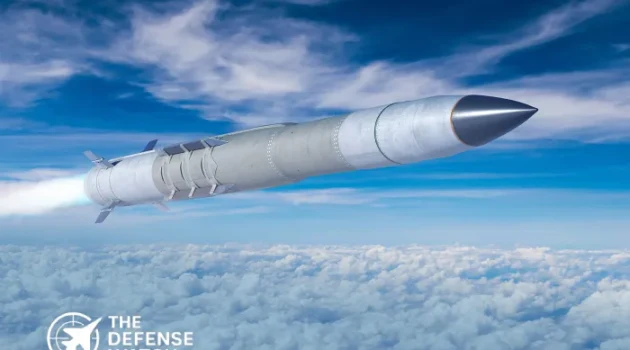
Framework Deal to Quadruple THAAD Interceptors
Lockheed Martin and the U.S. Department of War have agreed to scale up production of Terminal High Altitude Area Defense, or THAAD, missile interceptors. The agreement will raise annual output from about 96 to 400 interceptors over the next seven years, part of efforts to strengthen U.S. missile defense supply chains and industrial capacity.
The announcement came in a Jan. 29 release by Lockheed Martin, noting the deal builds on a similar framework reached earlier this month on Patriot PAC-3® Missile Segment Enhancement production.
Boosting U.S. Missile Defense Output
Under the framework agreement, the current THAAD interceptor production capacity will more than quadruple. That change reflects congressional funding cycles expected to finalize contract awards in the final fiscal year 2026 appropriations process.
Lockheed Martin will collaborate with the U.S. government on securing multiyear funding and aligning production goals with defense requirements.
Facility Expansion and Workforce Investment
To support the ramp-up, Lockheed Martin plans to break ground on a new Munitions Acceleration Center in Camden, Arkansas. The facility is designed to train workers and incorporate advanced manufacturing, robotics, and digital tools for building THAAD, PAC-3, and other interceptor systems.
The company also plans broader investments over the next three years to upgrade and expand more than 20 facilities across multiple U.S. states, including Alabama, Florida, Massachusetts, and Texas. These efforts aim to modernize tooling, production lines, and plant layouts to meet rising defense production demands.
U.S. Industrial Base and Jobs
Lockheed Martin noted its efforts are creating tens of thousands of jobs in manufacturing, engineering, and skilled trades, reflecting broader growth in the U.S. defense industrial base tied to increased interceptor production.

Image Credit: lockheedmartin The company said that since 2016 it has increased deliveries of critical munitions by more than 220 percent and plans to push output even higher by 2030 to meet demand.
Context: Evolving Missile Defense Needs
THAAD is a high-altitude missile defense system designed to intercept ballistic missiles inside and outside the atmosphere. It works alongside other systems such as Patriot PAC-3 to provide layered air and missile defense for the U.S. and allied forces. Recent demand for air defense systems has grown amid ongoing global conflicts and rising long-range missile threats.
This framework agreement for THAAD production follows a similar arrangement announced earlier in January aimed at increasing annual PAC-3 MSE output to roughly 2,000 missiles over the next seven years.
What Comes Next
A key step will be congressional appropriation of funds required to turn the framework accord into binding production contracts. Once funding is secured, Lockheed Martin will begin detailed planning for production expansion and facility operations tied to the agreement.
Get real time update about this post category directly on your device, subscribe now.