How Much Does a Tomahawk Missile Cost?
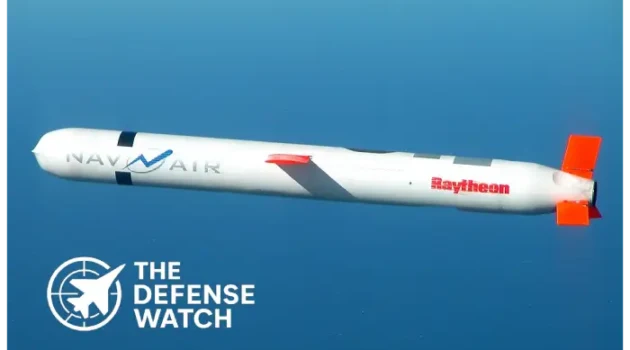
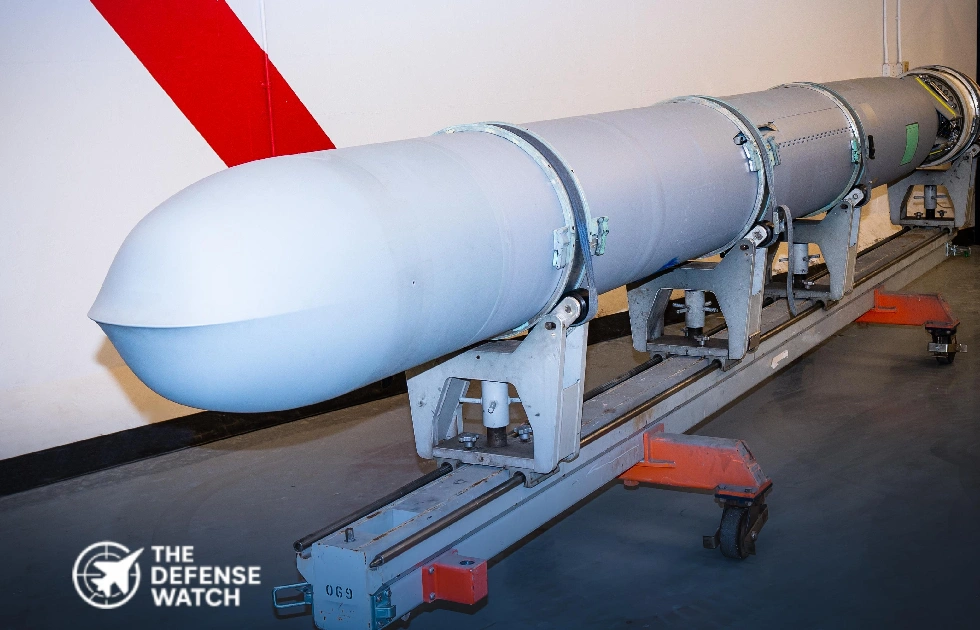
A U.S. Navy Tomahawk cruise missile costs approximately $3.64 million per missile in fiscal year 2026 dollars, according to Naval Air Systems Command (NAVAIR). The figure provides a useful reference point for the price of the Block V weapon, although the final cost of a procurement package can vary with missile configuration, production quantities, modernization work and support requirements.
- How Much Does a Tomahawk Missile Cost?
- Tomahawk missile cost at a glance
- Why the price of a Tomahawk missile varies
- How far can a Tomahawk cruise missile fly?
- Tomahawk Block IV vs. Block V: What changed?
- Tomahawk vs. JASSM: Price and mission differences
- What does the $22.9 billion Tomahawk contract mean?
- Frequently asked questions
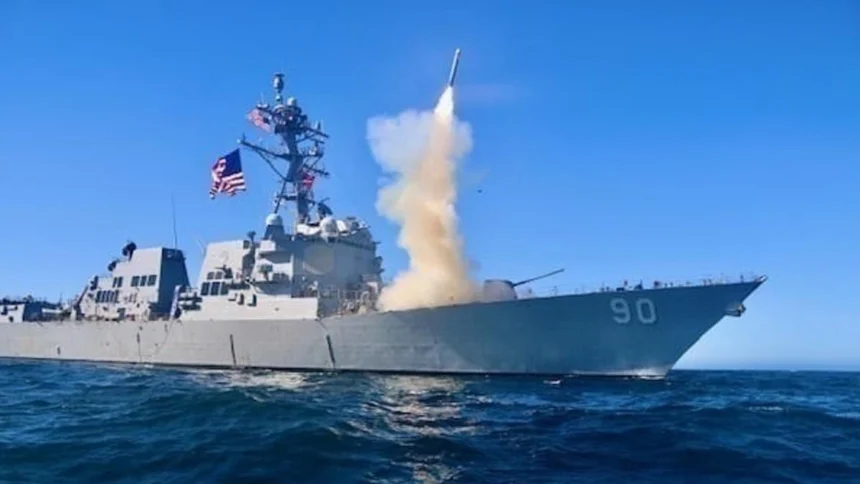
The Tomahawk is a long-range, subsonic cruise missile developed for precision strikes against land targets. Operated by U.S. and allied forces, it allows ships and submarines to attack targets at substantial distances without requiring an aircraft to fly directly over the target area.
Its price has become an important procurement issue as the United States seeks to maintain missile inventories while expanding production capacity. In August 2026, the U.S. Navy announced a $22.9 billion contract with Raytheon, an RTX business, to accelerate Tomahawk production. That multiyear award is a production and procurement commitment, not the published price of a single missile.
Tomahawk missile cost at a glance
Why the price of a Tomahawk missile varies
The $3.64 million figure is the official reference price listed by NAVAIR for Block V in FY2026 dollars. It should not be treated as a universal price for every Tomahawk purchased or modernized.
Three cost categories matter when reading U.S. defense budget documents:
- New production: The cost of manufacturing a new missile, including the relevant production configuration and accounting basis.
- Modernization and recertification: Existing missiles can receive updated components and be recertified to extend their service lives. These expenditures are not directly comparable with the cost of a newly manufactured weapon.
- Program and support costs: Procurement packages may include canisters, engineering, testing, support equipment and other items beyond the missile itself.
The Navy’s FY2025 procurement justification, for example, separates new Block V missiles, Maritime Strike Tomahawks, canisters and other support activities. It also explains that the program relies on combined procurement across the Navy, Marine Corps, Army and foreign military sales to sustain production.
Consequently, dividing the total value of a large contract by an announced production target may produce a misleading estimate of the missile’s actual unit price. The contract can cover multiple years, different configurations, manufacturing capacity and associated services.
How far can a Tomahawk cruise missile fly?
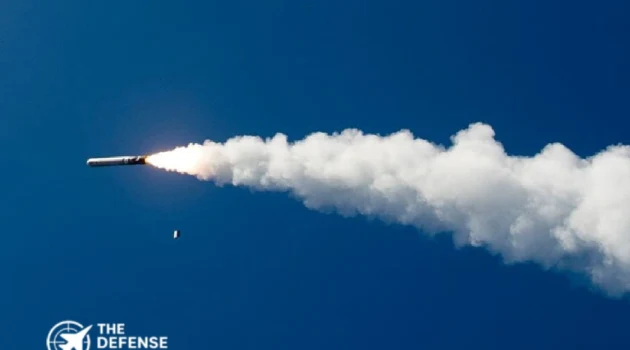
The U.S. Navy lists a range of approximately 900 nautical miles, equivalent to 1,000 statute miles or 1,600 kilometers, for conventional Block IV and Block V Tomahawks. The missile uses a turbofan engine and flies at high-subsonic speeds, following a programmed route that can include low-altitude flight.
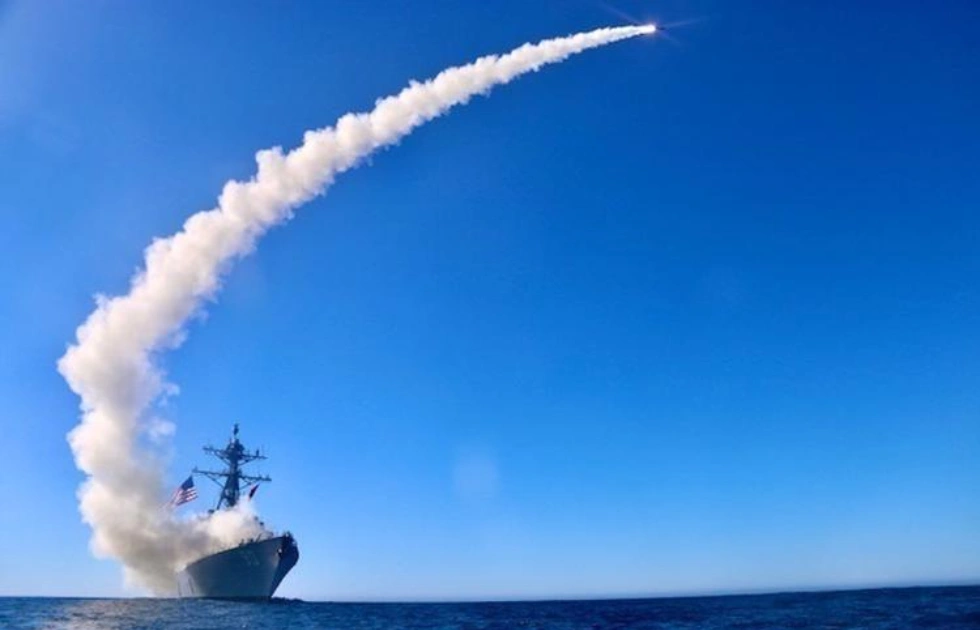
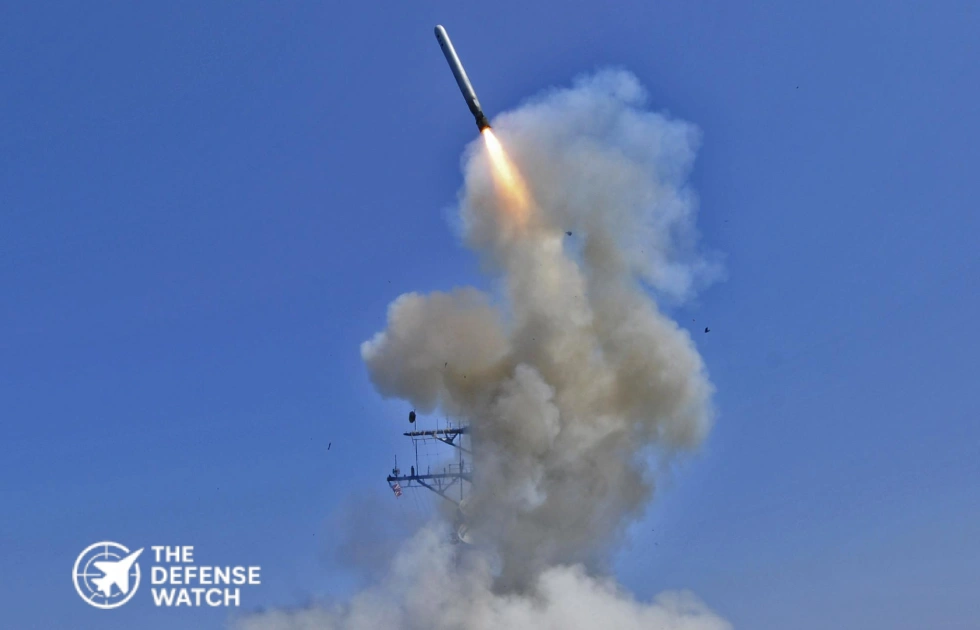
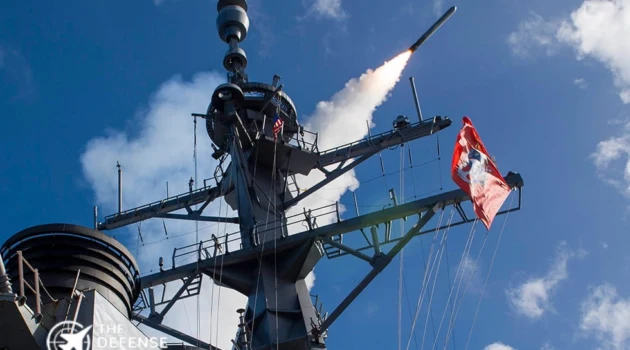
Range is one reason the Tomahawk remains valuable to naval planners. A destroyer or submarine can launch the weapon from a position well away from a target, allowing commanders to conduct land-attack missions without placing a manned strike aircraft in the same flight path.
Actual reach depends on the mission and flight profile. Publicly listed maximum range should not be interpreted as the distance available in every operational scenario, because route planning and target requirements affect how a missile is employed.
The weapon’s range also should not be confused with speed. Tomahawk is a subsonic cruise missile, not a hypersonic weapon. Its design emphasizes long-range flight, precision guidance and the ability to approach targets along a planned route rather than extreme velocity.
Tomahawk Block IV vs. Block V: What changed?
The Tomahawk has evolved from an established land-attack weapon into a family of missiles with improved navigation, communications and additional maritime strike capabilities.

Tomahawk Block IV
Introduced into the U.S. Navy fleet in 2004, Block IV added in-flight retargeting through two-way satellite communications. It can also loiter over a target area and receive updated instructions during a mission.
Tomahawk Block V
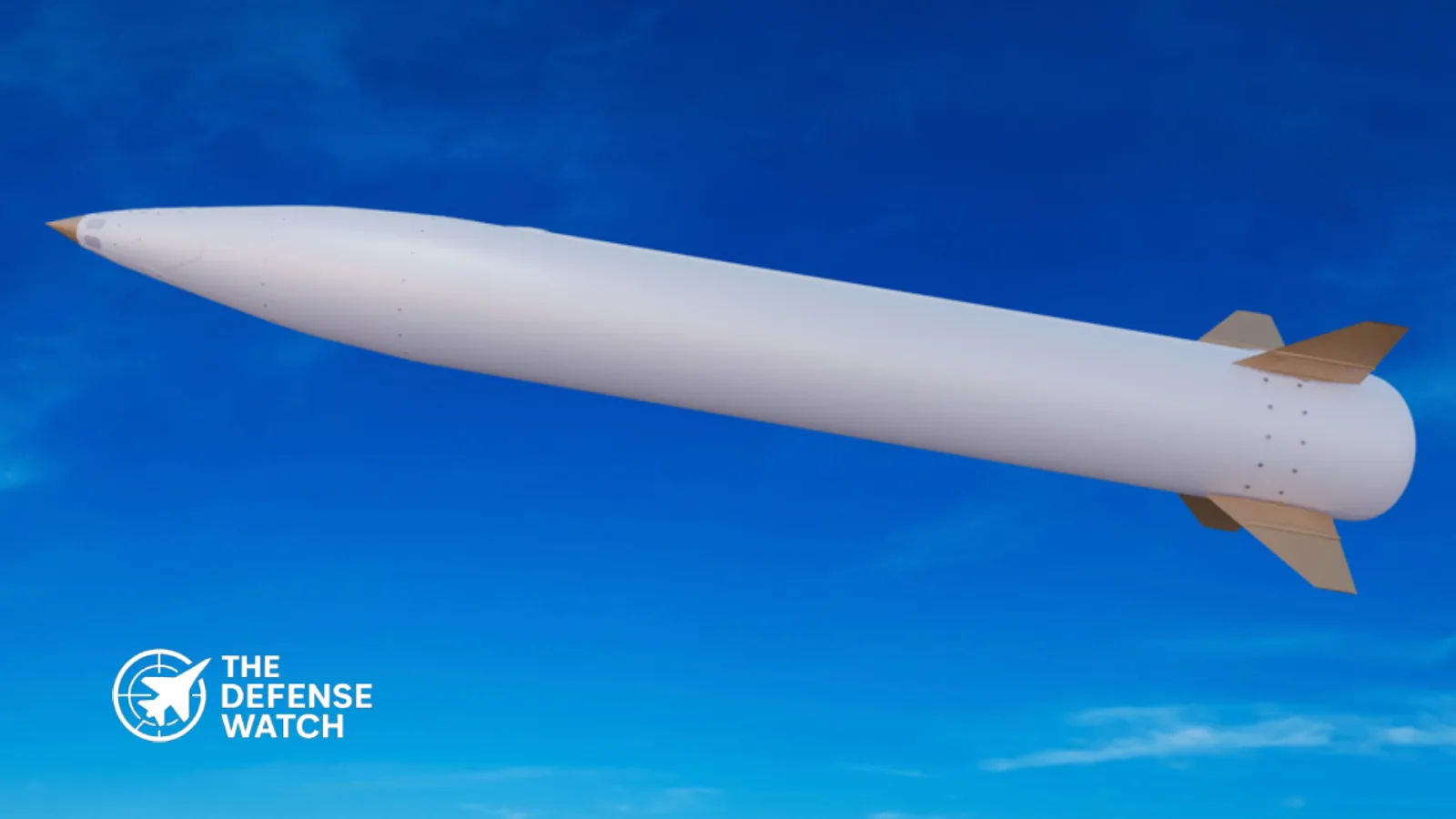
Block V incorporates upgraded navigation and communications while retaining the ability to receive target updates during flight. The Navy has also pursued modernization of older Block IV missiles to extend their service lives.
Block Va, Maritime Strike Tomahawk
Block Va is designed to engage moving maritime targets. This expands the Tomahawk family’s role beyond fixed land targets and gives naval forces another long-range option against ships.
Block Vb
Block Vb is intended to incorporate the Joint Multiple Effects Warhead System, providing a different warhead capability for engaging land targets. It should not be confused with the maritime strike role of Block Va.
The available public cost reference gives an approximate price for Block V, but does not provide a complete, directly comparable price list for every block. A separate Block Va price should not be inferred from the Block V figure without a matching procurement document.
Tomahawk vs. JASSM: Price and mission differences
The Tomahawk and the Joint Air-to-Surface Standoff Missile (JASSM) are both long-range precision weapons, but they serve different launch platforms and operational requirements.
Attribute Tomahawk Block V JASSM / JASSM-ER Primary launch platform Ships and submarines Aircraft Main mission Long-range land attack, with specialized maritime strike variant Air-launched precision attack Published range About 1,000 statute miles for conventional Block IV/V Varies by variant Guidance and mission updates Navigation and communications upgrades, with in-flight updates Variant-dependent guidance and mission capabilities Cost reference NAVAIR lists about $3.64 million in FY2026 dollars Depends on variant and procurement lot Sources: NAVAIR, U.S. Navy, RTX and the U.S. Air Force’s JASSM program information.
The distinction is operational as well as financial. Tomahawk gives naval commanders a long-range strike option without requiring a launch aircraft. JASSM allows aircraft to deliver weapons from the air, with the extended-range JASSM-ER variant providing greater reach than the baseline version.
A useful cost comparison also requires matching the accounting basis. The Center for Strategic and International Studies published an FY2026-based comparison listing both Tomahawk and JASSM at approximately $2.6 million per missile. That differs from NAVAIR’s $3.64 million Block V reference. The available sources do not establish a single common accounting basis that reconciles these two figures, so they should not be treated as interchangeable prices.
What does the $22.9 billion Tomahawk contract mean?
On August 17, 2026, the U.S. Navy announced a $22.9 billion contract with Raytheon to accelerate Tomahawk production. RTX said the seven-year arrangement would support a production ramp to more than 1,000 missiles annually, compared with a previously reported rate of about 60 per year.
The scale of that commitment reflects the challenge of rebuilding inventories while meeting current and future operational requirements. Increasing output requires more than adding assembly capacity. It also depends on suppliers, specialized components, workforce availability, testing and stable procurement commitments.
The contract’s total value should not be divided by the projected annual production rate to calculate a unit price. The $22.9 billion covers a multiyear industrial and procurement commitment, while annual production is a rate measured in missiles per year. Those figures describe different things.
The long-term objective is to give the U.S. military a more predictable supply of a weapon that has been used extensively in combat. Whether the planned production rate is achieved will depend on execution across Raytheon and its supply chain.
Frequently asked questions
How much does one Tomahawk missile cost?NAVAIR lists an approximate Block V unit cost of $3.64 million in FY2026 dollars. Other published estimates differ because cost figures may refer to different variants, budget years or accounting methods.
What is the range of a Tomahawk missile?The U.S. Navy lists approximately 900 nautical miles, or 1,000 statute miles and 1,600 kilometers, for conventional Block IV and Block V variants.
What is the difference between Tomahawk Block IV and Block V?Block IV introduced in-flight retargeting and loitering capabilities. Block V adds navigation and communications improvements, with Block Va designed for maritime strike missions and Block Vb intended to use a joint multiple-effects warhead.
Is Tomahawk a hypersonic missile?No. Tomahawk is a high-subsonic cruise missile. Its main strengths are long range, precision guidance and the ability to receive updated targeting information, not hypersonic speed.
Why is the U.S. spending $22.9 billion on Tomahawk production?The multiyear contract announced in August 2026 is intended to expand production capacity and increase deliveries of Tomahawk missiles. Its value includes a broader production commitment and should not be interpreted as the price of one missile or as the cost of a single year’s output.