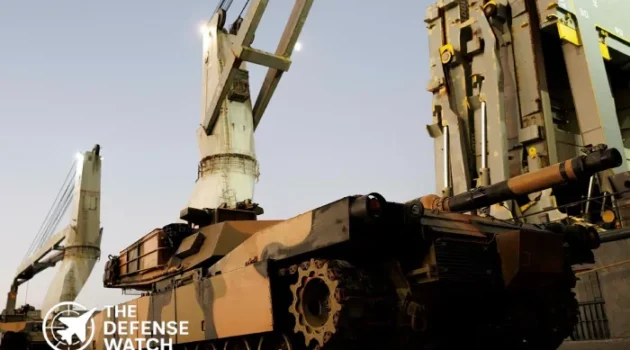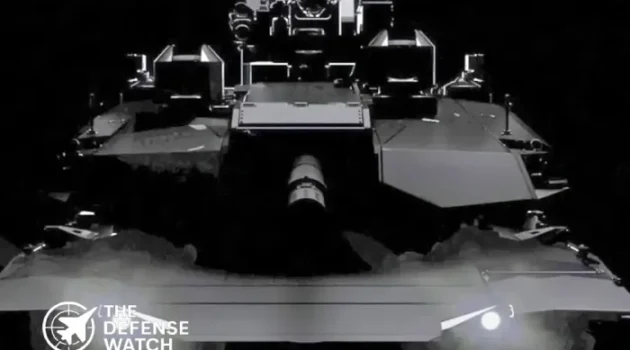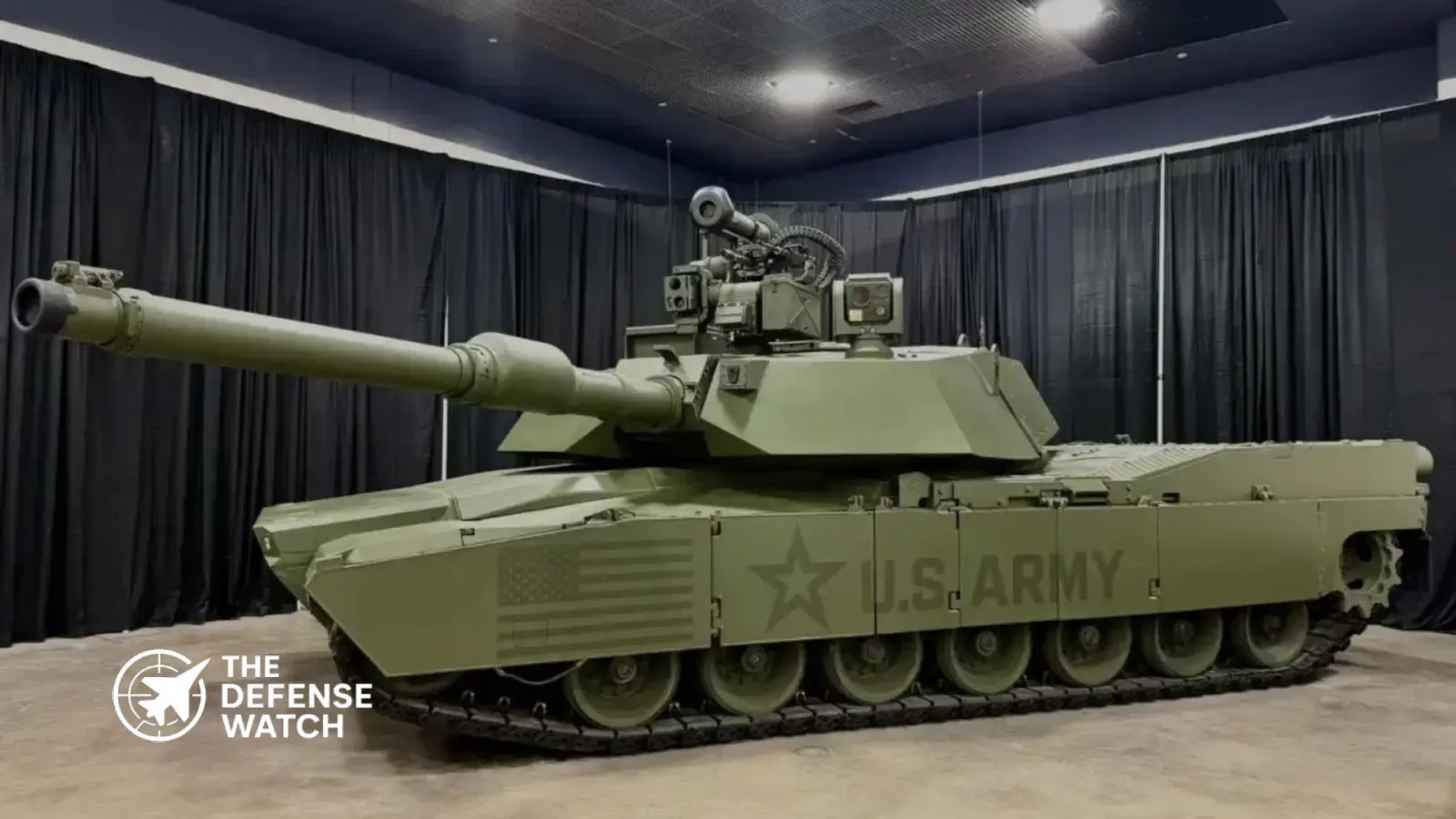
- U.S. Army plans to begin M1E3 Abrams prototype operational testing in summer 2026.
- The M1E3 focuses on reduced weight, improved survivability, and enhanced digital architecture.
- Program reflects broader U.S. shift toward more agile and deployable armored forces.
- Testing phase will validate performance before future production and fielding decisions.
- M1E3 represents a major evolution of the Abrams platform rather than a clean-sheet replacement.
M1E3 Abrams Operational Testing Marks Next Phase Of U.S. Army Modernization
The M1E3 Abrams operational testing is set to begin in summer 2026, as the United States Army advances development of its next-generation main battle tank variant. The effort signals a shift toward a lighter, more survivable, and digitally integrated armored platform designed for future high-intensity conflict.
The Big Picture
U.S. armored modernization has entered a critical transition phase. Rather than pursuing an entirely new tank, the Army is evolving the proven M1 Abrams platform into a more adaptable system that can operate effectively in contested environments.
This approach reflects lessons from recent conflicts, including the importance of mobility, logistics sustainability, and survivability against advanced anti-tank threats such as loitering munitions and top-attack weapons.
The M1E3 program aligns with broader Pentagon priorities focused on force redesign, rapid deployment, and integration of advanced technologies across multi-domain operations.
What’s Happening
The U.S. Army will initiate operational testing of M1E3 Abrams prototypes in summer 2026. These tests aim to evaluate the platform under realistic battlefield conditions.
The testing phase will focus on validating key performance improvements, including survivability enhancements, weight reduction, and updated onboard systems.
The program follows a redesign strategy that moves away from incremental upgrades seen in earlier variants like the M1A2 SEP v3 and v4. Instead, the M1E3 introduces structural and architectural changes intended to improve long-term adaptability.
Operational testing will likely involve Army units in controlled environments to assess combat effectiveness, reliability, and maintainability.
What’s Happening
The U.S. Army will initiate operational testing of M1E3 Abrams prototypes in summer 2026. These tests aim to evaluate the platform under realistic battlefield conditions.
The testing phase will focus on validating key performance improvements, including survivability enhancements, weight reduction, and updated onboard systems.
The program follows a redesign strategy that moves away from incremental upgrades seen in earlier variants like the M1A2 SEP v3 and v4. Instead, the M1E3 introduces structural and architectural changes intended to improve long-term adaptability.
Operational testing will likely involve Army units in controlled environments to assess combat effectiveness, reliability, and maintainability.
Strategic Implications
The introduction of the M1E3 will influence U.S. military readiness by improving the deployability and sustainability of armored forces.
Lighter and more efficient tanks reduce logistical strain, particularly in regions like the Indo-Pacific, where infrastructure constraints complicate heavy equipment movement. This could enhance the Army’s ability to project power in geographically dispersed theaters.
Improved survivability features also strengthen deterrence. A tank that can better withstand modern anti-armor threats increases battlefield resilience and reduces vulnerability in high-intensity conflict scenarios.
The program reinforces the U.S. commitment to maintaining technological superiority in armored warfare, even as competitors invest heavily in their own next-generation platforms.
Competitor View
China and Russia are likely to interpret the M1E3 development as part of a broader U.S. effort to modernize legacy systems rather than replace them outright.
China continues to advance its Type 99 and next-generation armored concepts, focusing on digital integration and active protection systems. Russia, despite industrial constraints, promotes platforms like the T-14 Armata as a leap in armored design.
The U.S. approach differs by emphasizing evolutionary upgrades combined with modularity. This strategy may appear less revolutionary but offers faster fielding timelines and lower technical risk.
From a competitive standpoint, the M1E3 signals that the U.S. prioritizes adaptability and operational readiness over experimental designs that may face delays.
What To Watch Next
The summer 2026 operational testing phase will serve as a key milestone for the M1E3 program.
Observers should track:
- Performance results from field evaluations
- Decisions on production timelines
- Integration of new protection and sensor systems
- Budget allocations in upcoming defense cycles
The Army’s feedback from operational units will likely shape final design adjustments before any large-scale procurement.
Capability Gap
The M1E3 addresses several known limitations in current Abrams variants.
Weight remains a central issue. Existing models exceed 70 tons, creating logistical challenges and limiting deployment flexibility. The M1E3 aims to reduce this burden without sacrificing protection.
Another gap involves survivability against emerging threats. Modern battlefields feature drones, precision-guided munitions, and advanced anti-tank systems. The M1E3 incorporates design changes intended to counter these threats more effectively.
However, trade-offs are inevitable. Reducing weight while maintaining armor protection requires advanced materials and design compromises. The effectiveness of these solutions will depend on real-world testing outcomes.
The Bottom Line
The M1E3 Abrams operational testing marks a decisive step in reshaping U.S. armored forces for future high-intensity warfare.
Get real time update about this post category directly on your device, subscribe now.