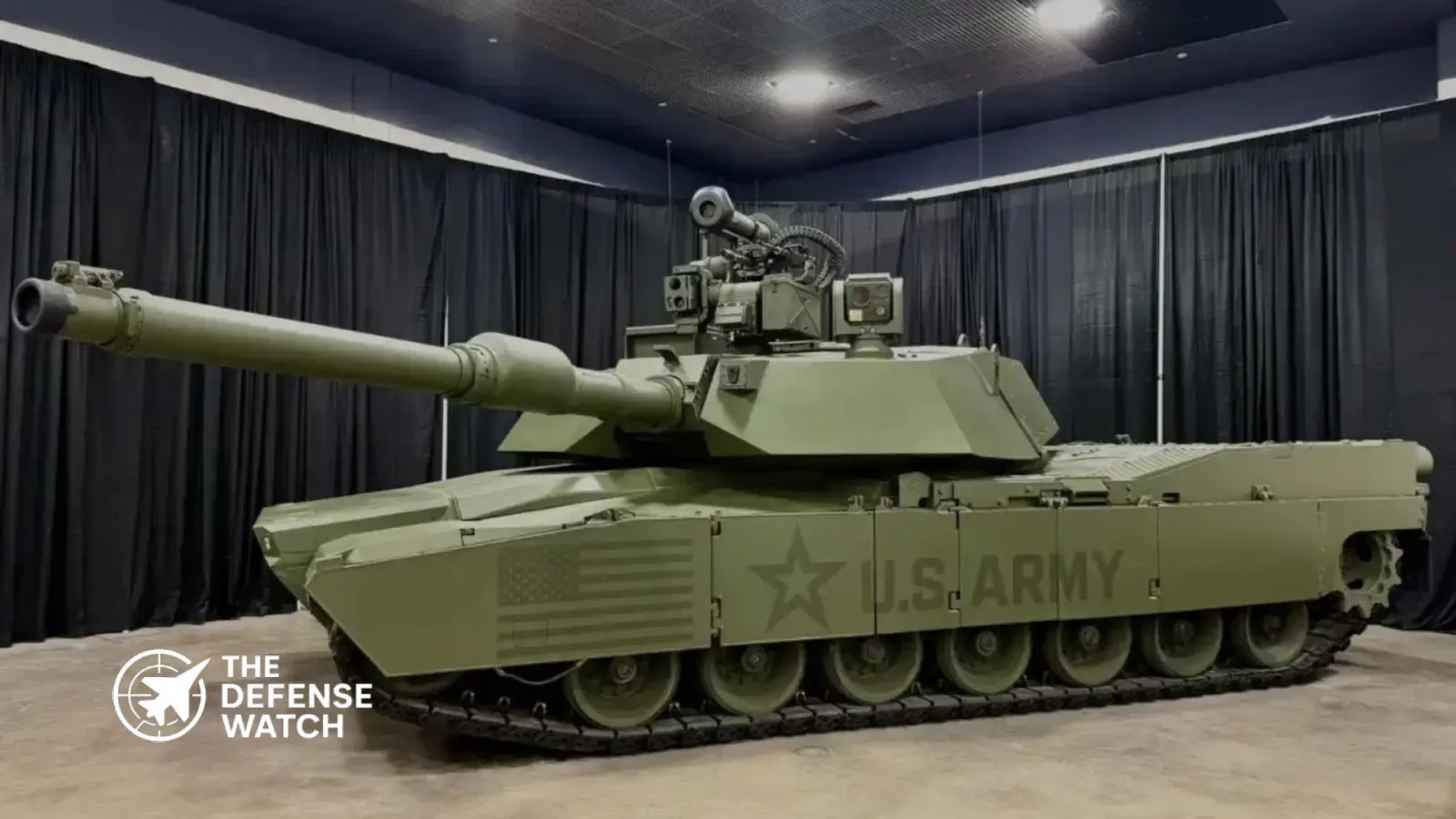
- U.S. Army plans to begin M1E3 Abrams prototype operational testing in summer 2026.
- The M1E3 focuses on reduced weight, improved survivability, and enhanced digital architecture.
- Program reflects broader U.S. shift toward more agile and deployable armored forces.
- Testing phase will validate performance before future production and fielding decisions.
- M1E3 represents a major evolution of the Abrams platform rather than a clean-sheet replacement.
M1E3 Abrams Operational Testing Marks Next Phase Of U.S. Army Modernization
The M1E3 Abrams operational testing is set to begin in summer 2026, as the United States Army advances development of its next-generation main battle tank variant. The effort signals a shift toward a lighter, more survivable, and digitally integrated armored platform designed for future high-intensity conflict.
The Big Picture
U.S. armored modernization has entered a critical transition phase. Rather than pursuing an entirely new tank, the Army is evolving the proven M1 Abrams platform into a more adaptable system that can operate effectively in contested environments.
This approach reflects lessons from recent conflicts, including the importance of mobility, logistics sustainability, and survivability against advanced anti-tank threats such as loitering munitions and top-attack weapons.
The M1E3 program aligns with broader Pentagon priorities focused on force redesign, rapid deployment, and integration of advanced technologies across multi-domain operations.
What’s Happening
The U.S. Army will initiate operational testing of M1E3 Abrams prototypes in summer 2026. These tests aim to evaluate the platform under realistic battlefield conditions.
The testing phase will focus on validating key performance improvements, including survivability enhancements, weight reduction, and updated onboard systems.
The program follows a redesign strategy that moves away from incremental upgrades seen in earlier variants like the M1A2 SEP v3 and v4. Instead, the M1E3 introduces structural and architectural changes intended to improve long-term adaptability.
Operational testing will likely involve Army units in controlled environments to assess combat effectiveness, reliability, and maintainability.
What’s Happening
The U.S. Army will initiate operational testing of M1E3 Abrams prototypes in summer 2026. These tests aim to evaluate the platform under realistic battlefield conditions.
The testing phase will focus on validating key performance improvements, including survivability enhancements, weight reduction, and updated onboard systems.
The program follows a redesign strategy that moves away from incremental upgrades seen in earlier variants like the M1A2 SEP v3 and v4. Instead, the M1E3 introduces structural and architectural changes intended to improve long-term adaptability.
Operational testing will likely involve Army units in controlled environments to assess combat effectiveness, reliability, and maintainability.
Strategic Implications
The introduction of the M1E3 will influence U.S. military readiness by improving the deployability and sustainability of armored forces.
Lighter and more efficient tanks reduce logistical strain, particularly in regions like the Indo-Pacific, where infrastructure constraints complicate heavy equipment movement. This could enhance the Army’s ability to project power in geographically dispersed theaters.
Improved survivability features also strengthen deterrence. A tank that can better withstand modern anti-armor threats increases battlefield resilience and reduces vulnerability in high-intensity conflict scenarios.
The program reinforces the U.S. commitment to maintaining technological superiority in armored warfare, even as competitors invest heavily in their own next-generation platforms.
Competitor View
China and Russia are likely to interpret the M1E3 development as part of a broader U.S. effort to modernize legacy systems rather than replace them outright.
China continues to advance its Type 99 and next-generation armored concepts, focusing on digital integration and active protection systems. Russia, despite industrial constraints, promotes platforms like the T-14 Armata as a leap in armored design.
The U.S. approach differs by emphasizing evolutionary upgrades combined with modularity. This strategy may appear less revolutionary but offers faster fielding timelines and lower technical risk.
From a competitive standpoint, the M1E3 signals that the U.S. prioritizes adaptability and operational readiness over experimental designs that may face delays.
What To Watch Next
The summer 2026 operational testing phase will serve as a key milestone for the M1E3 program.
Observers should track:
- Performance results from field evaluations
- Decisions on production timelines
- Integration of new protection and sensor systems
- Budget allocations in upcoming defense cycles
The Army’s feedback from operational units will likely shape final design adjustments before any large-scale procurement.
Capability Gap
The M1E3 addresses several known limitations in current Abrams variants.
Weight remains a central issue. Existing models exceed 70 tons, creating logistical challenges and limiting deployment flexibility. The M1E3 aims to reduce this burden without sacrificing protection.
Another gap involves survivability against emerging threats. Modern battlefields feature drones, precision-guided munitions, and advanced anti-tank systems. The M1E3 incorporates design changes intended to counter these threats more effectively.
However, trade-offs are inevitable. Reducing weight while maintaining armor protection requires advanced materials and design compromises. The effectiveness of these solutions will depend on real-world testing outcomes.
The Bottom Line
The M1E3 Abrams operational testing marks a decisive step in reshaping U.S. armored forces for future high-intensity warfare.
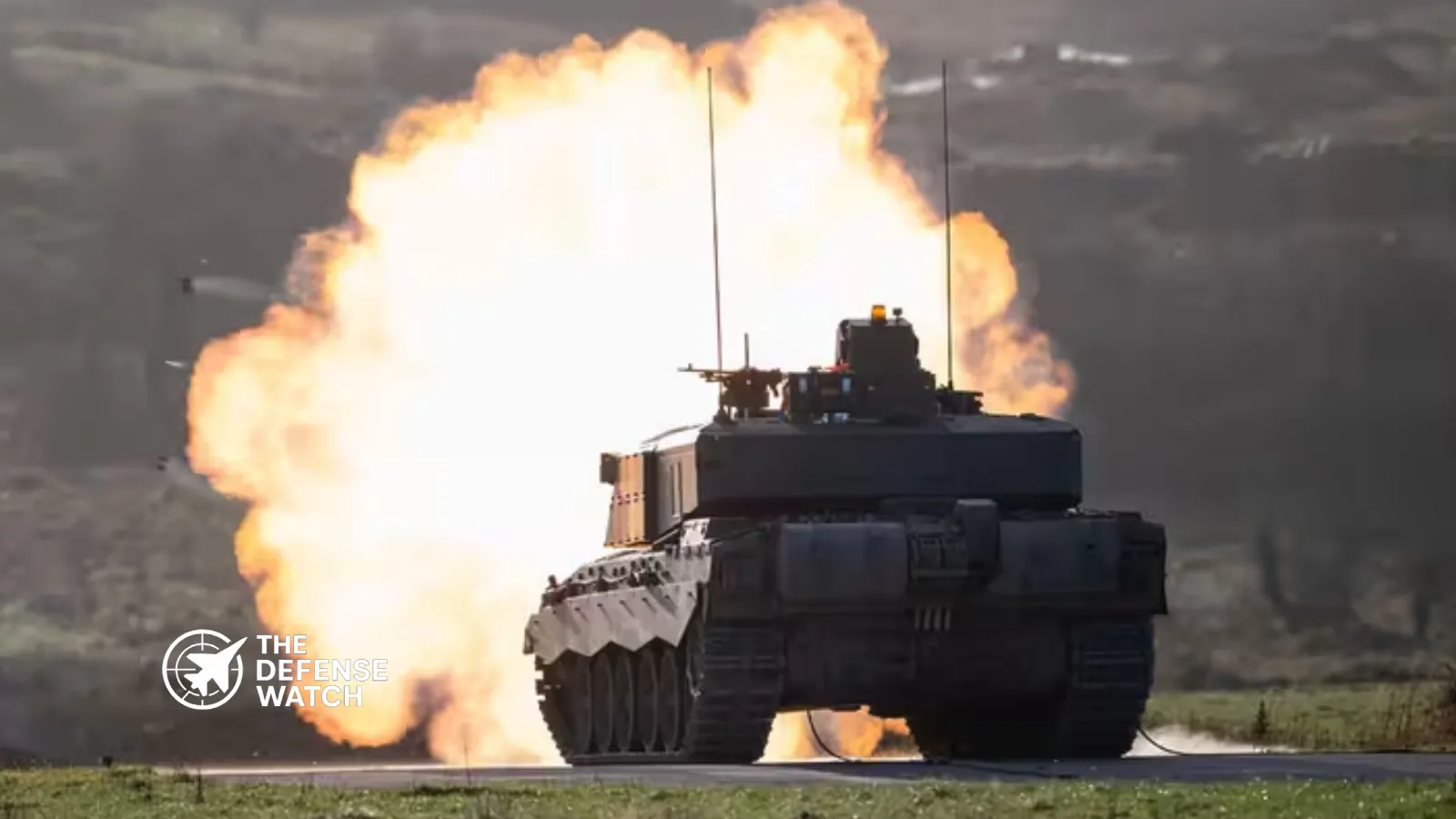
Challenger 3 tank has completed successful manned live firing trials, marking a major milestone in the British Army’s armored vehicle modernization effort. Rheinmetall confirmed on Jan. 20 that the trials validated the platform’s new turret, fire control systems, and main armament under operational conditions.
The tests were conducted in the United Kingdom with a full crew onboard, demonstrating safe and effective integration of the upgraded systems. According to Rheinmetall, the trials form part of the qualification phase ahead of the tank’s entry into service later this decade.
Live firing validates new turret and gun
The Challenger 3 tank replaces the legacy Challenger 2 turret with a newly designed system developed by Rheinmetall BAE Systems Land. Central to the upgrade is a NATO standard 120 mm smoothbore gun, replacing the rifled gun used on earlier British tanks. The manned firing trials confirmed the gun’s performance, crew safety, and system reliability, Rheinmetall said.
Digital systems and crew integration
Rheinmetall stated that the Challenger 3 tank features a fully digital architecture, including modern fire control, sights, and electronic interfaces. The manned trials assessed how the crew interacts with these systems during live engagements, an essential step before wider testing and acceptance by the UK Ministry of Defence.
Program background and next steps
The UK Army plans to convert 148 Challenger 2 tanks to the Challenger 3 standard as part of a long term effort to sustain a credible heavy armor capability. Initial operating capability is expected later this decade. Further trials are planned to expand testing across mobility, protection, and sustained firing scenarios.
Russia Applies Armata Technologies to Active Tank Fleet
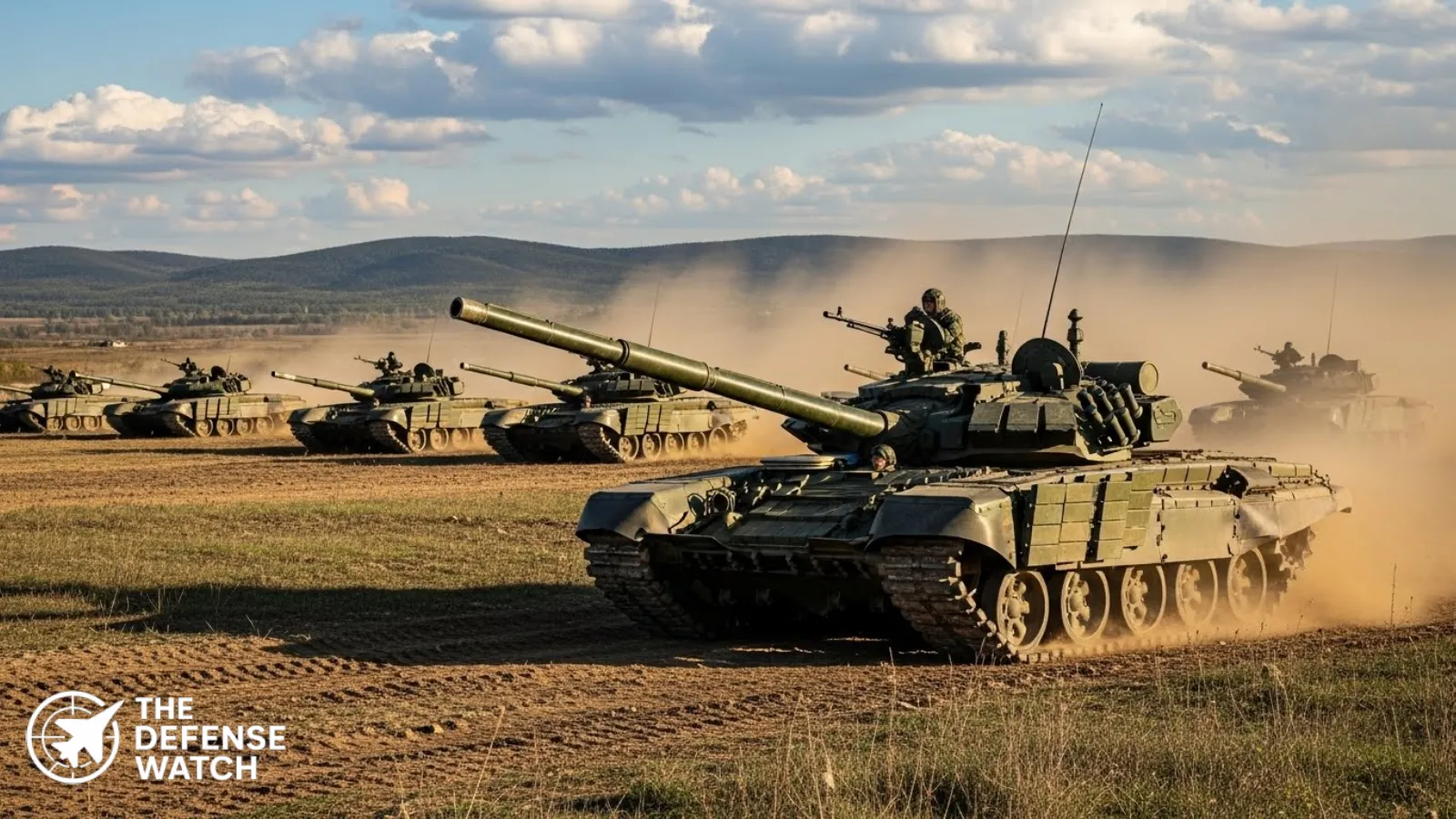
Russia has begun transferring key technologies developed under the T-14 Armata tank program into its existing T-90M and T-72 tank fleets. The effort, reported in late 2025, reflects a shift in Moscow’s armored modernization strategy, focusing on upgrading proven platforms rather than expanding production of entirely new main battle tanks.
The move is aimed at improving survivability, situational awareness, and combat effectiveness of Russian armored units already deployed or in reserve. It comes amid continued operational demands and industrial constraints affecting large scale production of next generation armored vehicles.
Background: From Flagship Program to Technology Donor
The T-14 Armata was introduced as a new generation main battle tank built around a modular platform, advanced sensors, and enhanced crew protection. While it showcased major design changes, including an unmanned turret concept and advanced defensive systems, production numbers have remained limited.
Instead of fielding the T-14 in large quantities, Russian defense planners have increasingly focused on extracting mature subsystems and applying them across existing tanks. This approach allows the Russian Army to modernize faster while relying on platforms that are already integrated into logistics and training systems.
Key Technologies Moving Into T-90M and T-72
Improved Protection Systems
One of the most important areas of transfer involves protection technologies. Elements derived from Armata research are being adapted to enhance reactive and passive armor layouts on the T-90M and late model T-72 variants. These upgrades are intended to improve resistance against modern anti tank guided missiles and top attack munitions.
Active protection concepts studied for Armata have also influenced countermeasure upgrades, including improved warning sensors and electronic defenses. While full scale active protection systems remain limited, incremental improvements are being applied across the fleet.
Sensors and Fire Control Enhancements
Armata related developments in optics and battlefield awareness are also shaping upgrades. Modernized T-90M and T-72 tanks are receiving improved thermal sights, day night optics, and digital fire control components influenced by Armata design standards.
These enhancements allow tank crews to detect and engage targets at longer ranges and in degraded visibility, closing some of the gap with Western armored vehicles in sensor capability.
Digital Systems and Network Integration
Another area of technology transfer involves onboard electronics. Armata development pushed Russian industry toward more integrated digital architectures. Lessons from this effort are now being applied to improve communications, navigation, and command integration on upgraded tanks.
Improved data sharing between vehicles and command posts supports coordinated operations and faster response times, particularly in combined arms environments.
Why Russia Is Prioritizing Upgrades Over New Builds
Industrial and Logistical Factors
Producing a completely new tank design at scale requires major industrial investment and stable supply chains. Upgrading existing platforms uses established production lines and available spare parts, reducing costs and shortening delivery timelines.
The T-72 remains one of the most numerous tanks in Russian service, while the T-90M represents the most modern serially produced Russian main battle tank. Modernizing these platforms offers a faster return on investment.
Operational Experience
Combat experience has highlighted the need for improved protection and situational awareness rather than entirely new hull designs. By integrating Armata derived technologies into tanks already familiar to crews, the Russian Army can respond more quickly to evolving battlefield threats.
This approach also allows upgrades to be tailored based on observed vulnerabilities, rather than committing to a single new design philosophy.
Expert Perspective on the Modernization Strategy
Defense analysts note that this strategy mirrors practices seen in other major armies. Incremental upgrades to proven platforms are often more sustainable during prolonged periods of high operational demand.
By using Armata technologies as a development pool rather than a standalone solution, Russia is seeking to preserve technological gains while managing production realities. The result is a hybrid modernization path that blends next generation concepts with Cold War era platforms.
Impact on Russian Armored Forces
The integration of Armata technologies into the T-90M and T-72 fleets is expected to improve battlefield survivability and combat effectiveness in the near term. While these tanks will not match the full design ambitions of the T-14, they gain meaningful upgrades in protection, sensors, and digital systems.
This modernization path also suggests that the T-14 Armata will remain limited in numbers, serving more as a technology testbed and reference platform than as the backbone of Russian armored forces.
What Comes Next
Further refinements are expected as Armata related research continues to mature. Additional sensor upgrades, improved countermeasures, and incremental automation may be introduced into existing tanks over time.
For now, Russia tank modernization efforts are focused on maximizing the combat value of current fleets. The T-90M upgrade program and continued T-72 modernization indicate that legacy platforms will remain central to Russian armored operations for years to come.