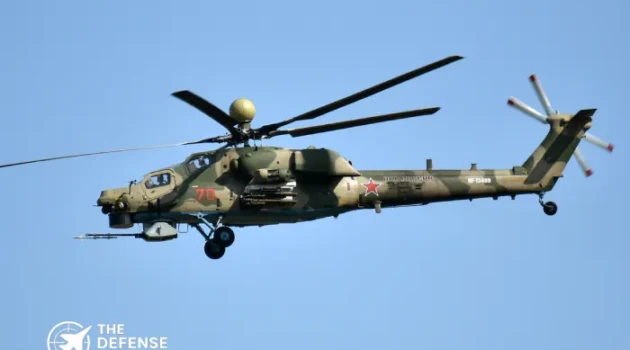
- ► Russia has reportedly delivered six Mi-28NE attack helicopters to Iran.
- ► The Mi-28NE is the export variant of the Mi-28 Night Hunter all weather attack helicopter.
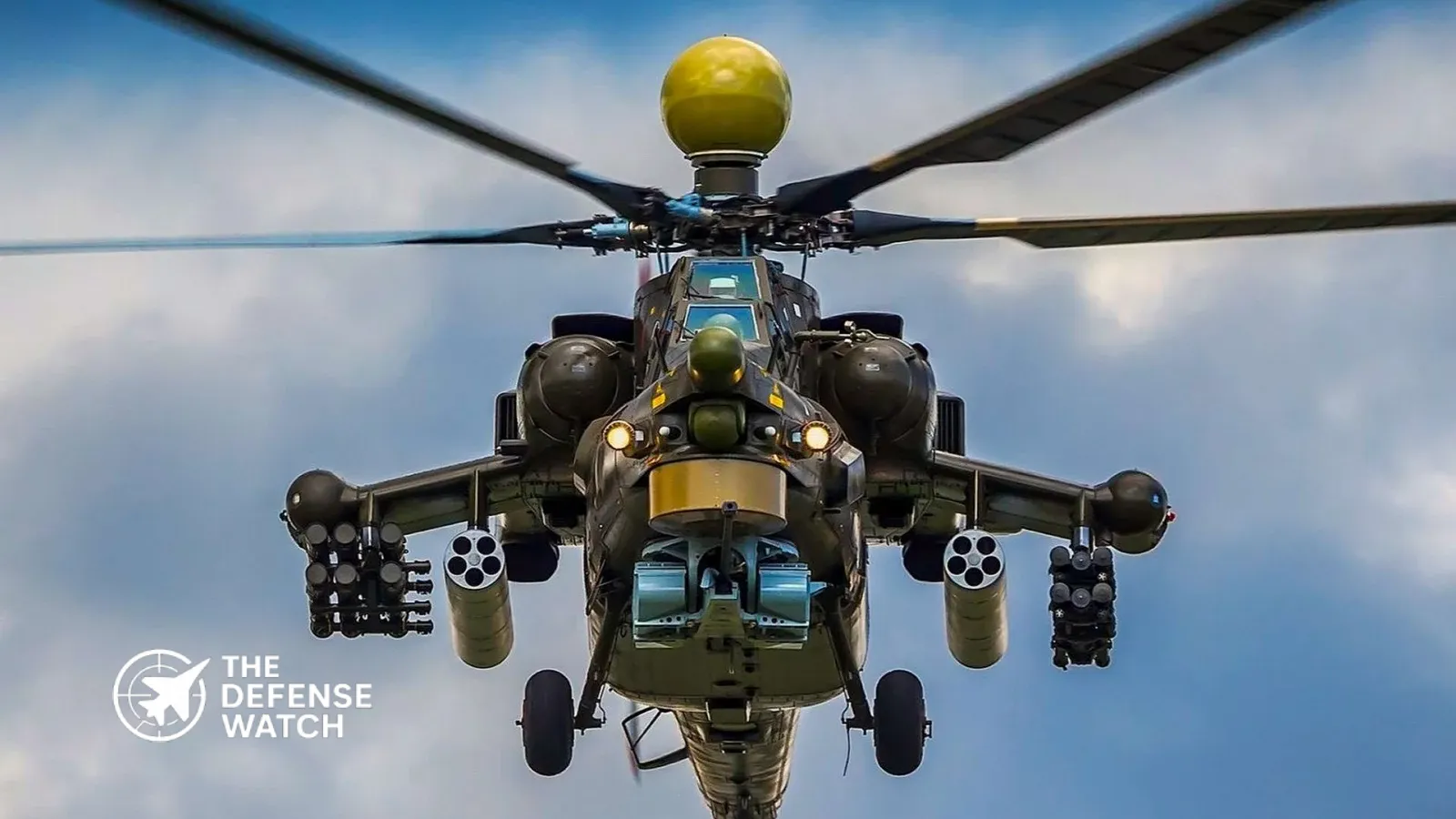
- ► The platform is armed with a 30mm cannon, anti tank guided missiles, rockets, and air to air missiles.
- ► The acquisition enhances Iran close air support and anti armor capabilities.
- ► The move reflects deepening military cooperation between Tehran and Moscow.
Russian Delivery Of Six Mi-28NE Helicopters Expands Iran Attack Aviation Fleet
The Russian delivery of six Mi-28NE helicopters marks a notable step in strengthening Iran rotary strike capability and modernizing its aging attack aviation fleet.
Moscow has transferred six Mi-28NE attack helicopters to Tehran, expanding Iran inventory of modern rotary wing strike platforms. The Mi-28NE is the export version of the Mil Mi-28, known in Russian service as the Night Hunter.
Platform Capabilities And Combat Role
The Mi-28NE is designed as a dedicated anti armor and close air support helicopter. It features a chin mounted 30mm Shipunov 2A42 cannon, compatible with high explosive and armor piercing ammunition. The aircraft can carry anti tank guided missiles, typically the Ataka series, as well as unguided rockets and short range air to air missiles.
Powered by twin turboshaft engines, the helicopter is built for all weather, day and night operations. It incorporates radar, electro optical targeting systems, and defensive countermeasures intended to increase survivability in contested airspace.
Compared with older platforms in Iranian service such as the Bell AH-1J SeaCobra, the Mi-28NE provides improved sensor fusion, heavier payload capacity, and better crew protection. The cockpit is armored, and critical systems are designed with redundancy to withstand battle damage.
Operational Impact For Iran
The Russian delivery of six Mi-28NE helicopters enhances Iran ability to conduct close air support and anti armor missions across varied terrain, including mountainous and desert regions.
Iran rotary wing fleet has historically relied on legacy systems dating back to the pre 1979 era, supplemented by limited domestic upgrades. Introducing a modern attack helicopter like the Mi-28NE improves strike precision, stand off engagement range, and night fighting capability.
From a tactical standpoint, the aircraft can support ground forces, defend key infrastructure, and provide rapid response against mechanized threats. Its missile armament allows engagement of armored vehicles at several kilometers, reducing exposure to short range air defenses.
However, the small number, six aircraft, suggests a limited operational footprint unless followed by additional orders. Sustainment, pilot training, spare parts supply, and integration into existing command networks will shape the long term effectiveness of the fleet.
Broader Russia Iran Defense Ties
The transfer underscores expanding defense cooperation between Moscow and Tehran. In recent years, both countries have deepened military coordination amid shifting regional dynamics and Western sanctions pressure.
Russia has marketed advanced combat aircraft and air defense systems to Iran, while Tehran has pursued modernization to offset regional rivals equipped with Western platforms. The Mi-28NE delivery fits within this broader pattern of selective, high value acquisitions.
Authoritative defense analysis from institutions such as the International Institute for Strategic Studies has noted that Iran armed forces continue incremental modernization efforts, often focused on asymmetric capabilities. The addition of dedicated modern attack helicopters signals attention to conventional battlefield roles as well.
Regional Security Context
The arrival of the Mi-28NE comes amid persistent tensions in the Middle East, including periodic cross border strikes and ongoing competition among regional powers. Attack helicopters remain critical assets for rapid reaction, border security, and support to ground formations.
While six helicopters alone do not alter the regional balance of power, they do enhance Iran tactical flexibility and strike options. The operational readiness of the fleet will depend on training cycles and logistical support over time.
As more details emerge regarding basing locations, unit assignments, and future procurement plans, the Russian delivery of six Mi-28NE helicopters will remain a key data point in assessing Iran evolving air combat posture.
Get real time update about this post category directly on your device, subscribe now.