
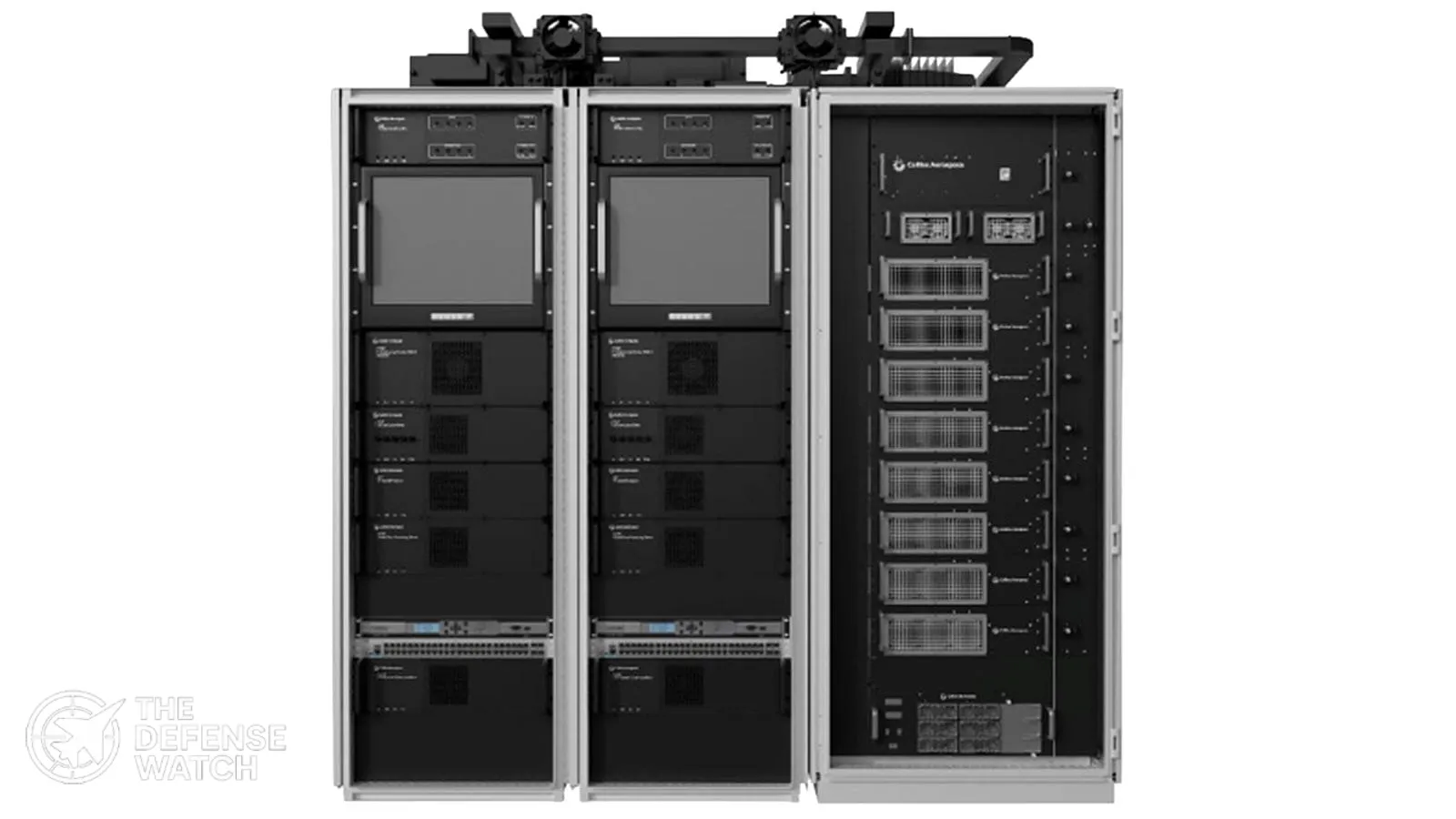
US Air Traffic Control Radar Contracts Mark Key FAA Upgrade
US air traffic control radar contracts awarded to RTX and Indra represent a major step in the Federal Aviation Administration’s effort to modernize surveillance systems across the national airspace. The awards, reported by Reuters, focus on replacing and sustaining critical radar infrastructure that underpins civilian and military flight safety.
The FAA has faced growing pressure to refresh decades-old systems as air traffic volumes rebound and mixed civilian military airspace becomes more complex.
What the Contracts Cover
According to Reuters, the FAA selected RTX and Spain-based Indra to provide air traffic control radar systems under separate contracts. The awards support long-term operation, upgrades, and sustainment of ground-based surveillance radars used to track aircraft across US airspace.
RTX, through its Collins Aerospace unit, has long been a core supplier of FAA radar and navigation systems. Indra, a major European provider of air surveillance technology, already supports radar networks in multiple countries, including prior FAA-related programs.
The FAA did not disclose all technical details publicly, but the contracts are tied to maintaining reliable primary and secondary radar coverage as part of broader air traffic control radar modernization.
Why Air Traffic Control Radar Modernization Matters
US air traffic control radar contracts are not just procurement actions, they are central to aviation safety and national resilience. Many FAA radar sites were installed decades ago and require sustained investment to remain reliable.
Modern radar systems improve aircraft tracking accuracy, reduce outages, and support integration with newer digital air traffic management tools. These upgrades also matter for homeland security, as civil radar feeds contribute to airspace awareness shared with US defense and security agencies.
Strategic Context for US Aviation Infrastructure
The FAA has warned in multiple budget submissions that deferred modernization increases operational risk. Recent high-profile disruptions in US air travel have renewed scrutiny of air traffic control infrastructure, staffing, and technology.
By awarding air traffic control radar contracts to RTX and Indra, the FAA is leaning on established suppliers with proven systems rather than pursuing untested solutions. This reflects a risk-aware approach as aviation demand continues to rise.
Outlook
The radar awards fit into a longer-term FAA strategy that includes digital towers, satellite-based surveillance, and software-driven traffic management. Ground-based radar, however, remains a backbone capability, especially for redundancy and national coverage.
As these contracts move forward, Congress and industry will closely watch execution timelines and system reliability, given the direct impact on daily flight operations across the United States.
Get real time update about this post category directly on your device, subscribe now.
