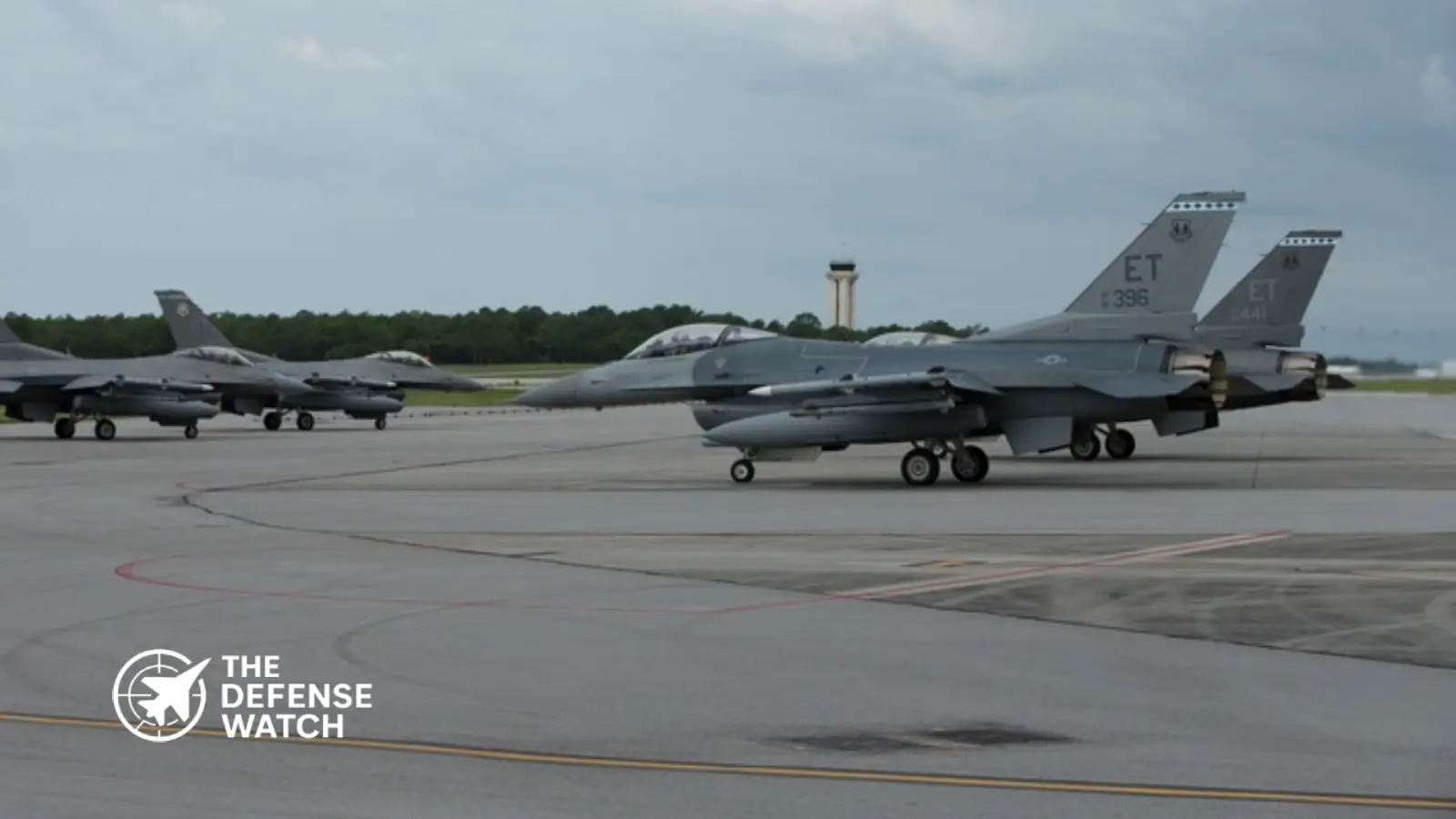
Executive Summary:
The U.S. Air Force has awarded Northrop Grumman a $14.2 million contract modification supporting production and sustainment of Active Electronically Scanned Array (AESA) radars for F-16 fighter aircraft. The award extends a major modernization effort that is transforming legacy F-16 fleets with advanced sensor capabilities comparable to those found on newer generation combat aircraft.
The U.S. Department of Defense announced that Northrop Grumman Systems Corp. of Linthicum Heights, Maryland, received a $14,215,800 modification to a previously awarded Air Force contract supporting AESA radar integration across F-16 aircraft.
According to the Air Force Life Cycle Management Center (AFLCMC) at Wright-Patterson Air Force Base, Ohio, the modification increases the total contract value from approximately $1.822 billion to $1.836 billion. Work will be performed in Linthicum Heights and is scheduled to continue through May 31, 2031.
The contract supports production and related activities associated with AESA radar systems for the F-16 fleet, one of the most widely operated fighter aircraft families in the world.
Deep Technical & Strategic Context Analysis
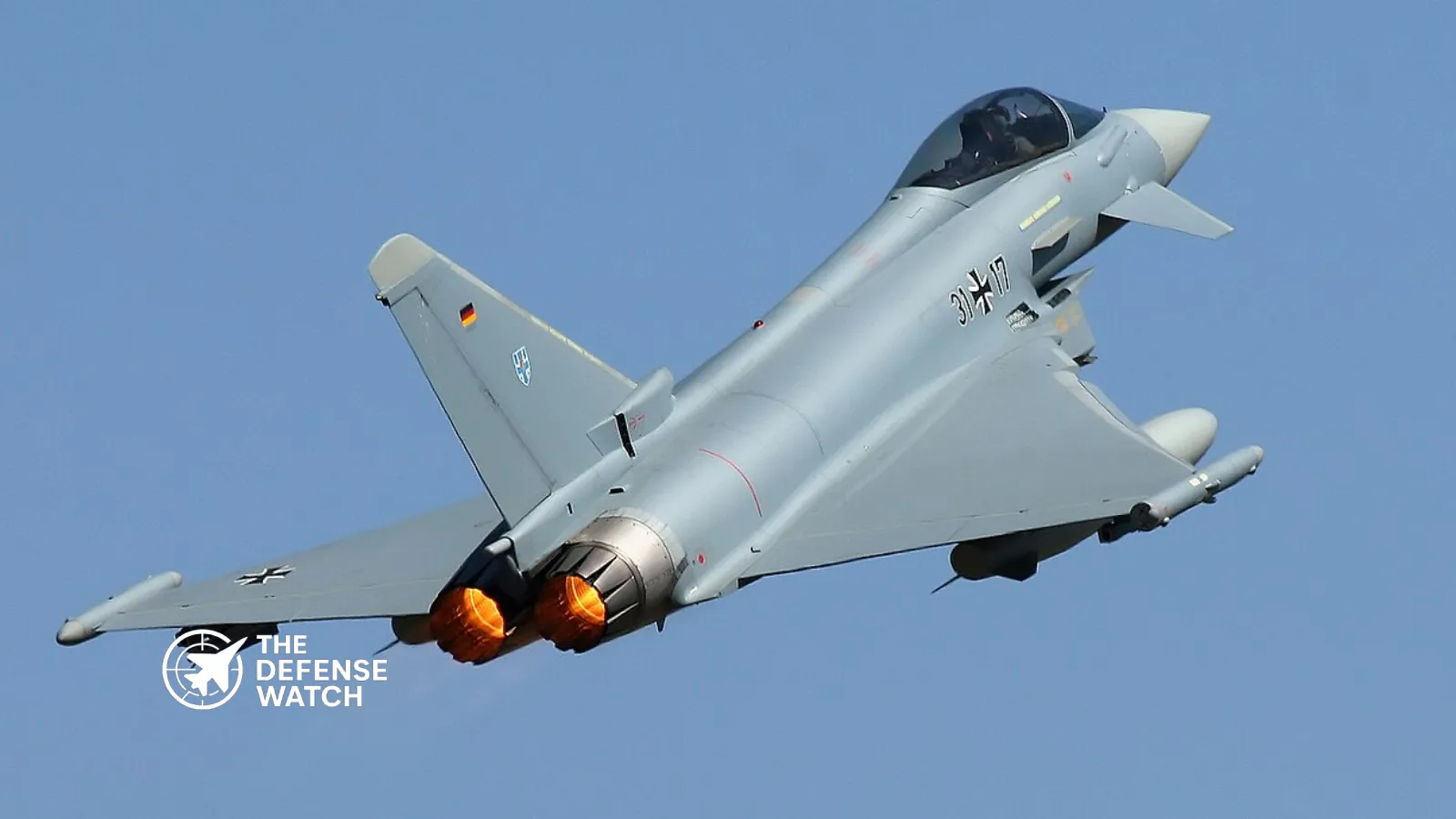
At the center of the modernization effort is Northrop Grumman’s AN/APG-83 Scalable Agile Beam Radar (SABR), an advanced Active Electronically Scanned Array radar designed specifically for legacy F-16 aircraft. The radar replaces mechanically scanned systems with a digital electronically steered array capable of tracking multiple airborne and surface targets simultaneously while providing significantly improved detection ranges, resistance to jamming, and high-resolution targeting capabilities.
The APG-83 leverages technology derived from fifth-generation fighter radar programs and has become one of the most important upgrades under the Air Force’s F-16 service life extension strategy. As global air forces increasingly face sophisticated electronic warfare environments and long-range missile threats, AESA radar modernization allows F-16 operators to maintain operational relevance without procuring entirely new fighter fleets.
-
The modernization effort is strategically significant because the F-16 remains in active service with more than two dozen nations. The aircraft continues to perform air superiority, strike, homeland defense, and expeditionary missions across Europe, the Indo-Pacific, and the Middle East. Enhanced radar capability improves interoperability with advanced weapons, networked battle management systems, and modern command-and-control architectures.
From a procurement perspective, this contract modification represents an incremental increase to an existing long-term production agreement rather than a new acquisition program. Such modifications are common within major defense procurement efforts, allowing the government to add production quantities, engineering support, testing activities, or sustainment requirements while maintaining continuity in manufacturing and supply chain operations.
Contract Breakdown & Details
Contract Value
- Award Recipient: Northrop Grumman Systems Corp.
- Location: Linthicum Heights, Maryland
- Contract Modification: P00178
- Original Contract Number: FA8615-17-C-6047
- Modification Value: $14,215,800
- Previous Contract Total: $1,821,928,979
- New Contract Total: $1,836,144,779
Program Focus
- System: Active Electronically Scanned Array (AESA) Radar
- Aircraft Platform: F-16 Fighting Falcon
- Primary Radar: AN/APG-83 SABR
- Mission Areas Supported:
- Air-to-air combat
- Precision strike operations
- Electronic warfare resilience
- Multi-target tracking
- Network-centric warfare
Funding Sources
The modification includes funding from multiple Air Force appropriations:
- Fiscal Year 2024 Procurement Funds: $2,843,160
- Fiscal Year 2026 Procurement Funds: $8,529,480
- Fiscal Year 2026 Research, Development, Test and Evaluation Funds: $2,843,160
Performance Schedule
- Work Location: Linthicum Heights, Maryland
- Expected Completion: May 31, 2031
Geographic Workshare
Based on the Department of Defense announcement:
- Maryland: 100% (Linthicum Heights)
Contracting Authority
- Contracting Activity: Air Force Life Cycle Management Center (AFLCMC)
- Location: Wright-Patterson Air Force Base, Ohio
Why This Matters
The latest modification underscores the Air Force’s continued commitment to extending the combat effectiveness of its F-16 fleet while bridging capability gaps ahead of broader next-generation fighter force expansion. With AESA-equipped F-16s now serving as a cornerstone of modernization efforts across the United States and allied air forces, the APG-83 radar program remains one of the most consequential avionics upgrades currently underway in the tactical aviation sector.
By combining fifth-generation sensor technologies with a proven fourth-generation airframe, the modernization initiative offers a cost-effective path to maintaining combat credibility against increasingly sophisticated threats through the next decade.
Executive Summary:
Sweden has awarded Saab a contract worth approximately 1.2 billion Swedish kronor to deliver sensor and command systems for brigade level ground based air defense. The systems will be delivered between 2029 and 2030 under a procurement managed by Swedish Defence Materiel Administration. The upgrade strengthens Sweden’s ability to detect, track, and engage evolving aerial threats at the tactical level.
Sweden Advances Brigade Level Air Defense With Saab GBAD Order
Sweden has expanded its ground based air defense capabilities through a new procurement of sensor and command and control systems from Saab. The contract, awarded by Swedish Defence Materiel Administration, is valued at approximately 1.2 billion Swedish kronor and supports the Swedish Army’s brigade level air defense architecture.
The order focuses on integrating radar surveillance and command systems designed to improve detection speed and response coordination against modern aerial threats. Deliveries are scheduled between 2029 and 2030, reflecting long term modernization planning for Sweden’s layered air defense network.
System Scope and Capability Focus
The procurement centers on two core components, sensors and command and control systems. These elements are designed to operate as a unified ground based air defense framework, improving situational awareness and engagement efficiency at brigade level.
Key capability areas include
- Expanded air picture generation for brigade commanders
- Faster target detection and classification
- Integrated engagement coordination across units
- Improved response to low altitude and fast moving aerial threats
The system builds on earlier deliveries to Sweden, reinforcing continuity in national air defense modernization rather than introducing a standalone capability.
Role of Giraffe AMB in Swedish Air Defense
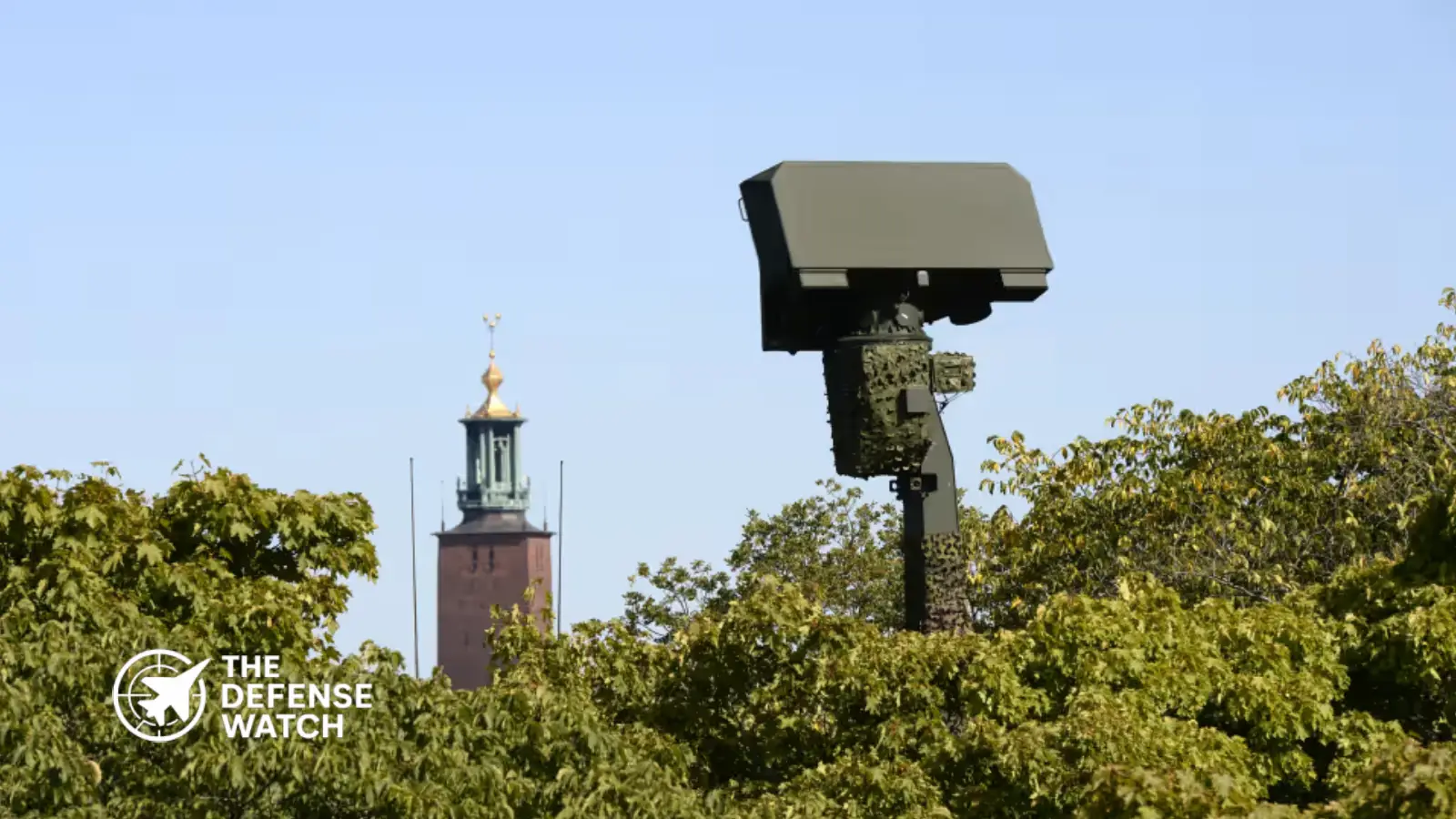
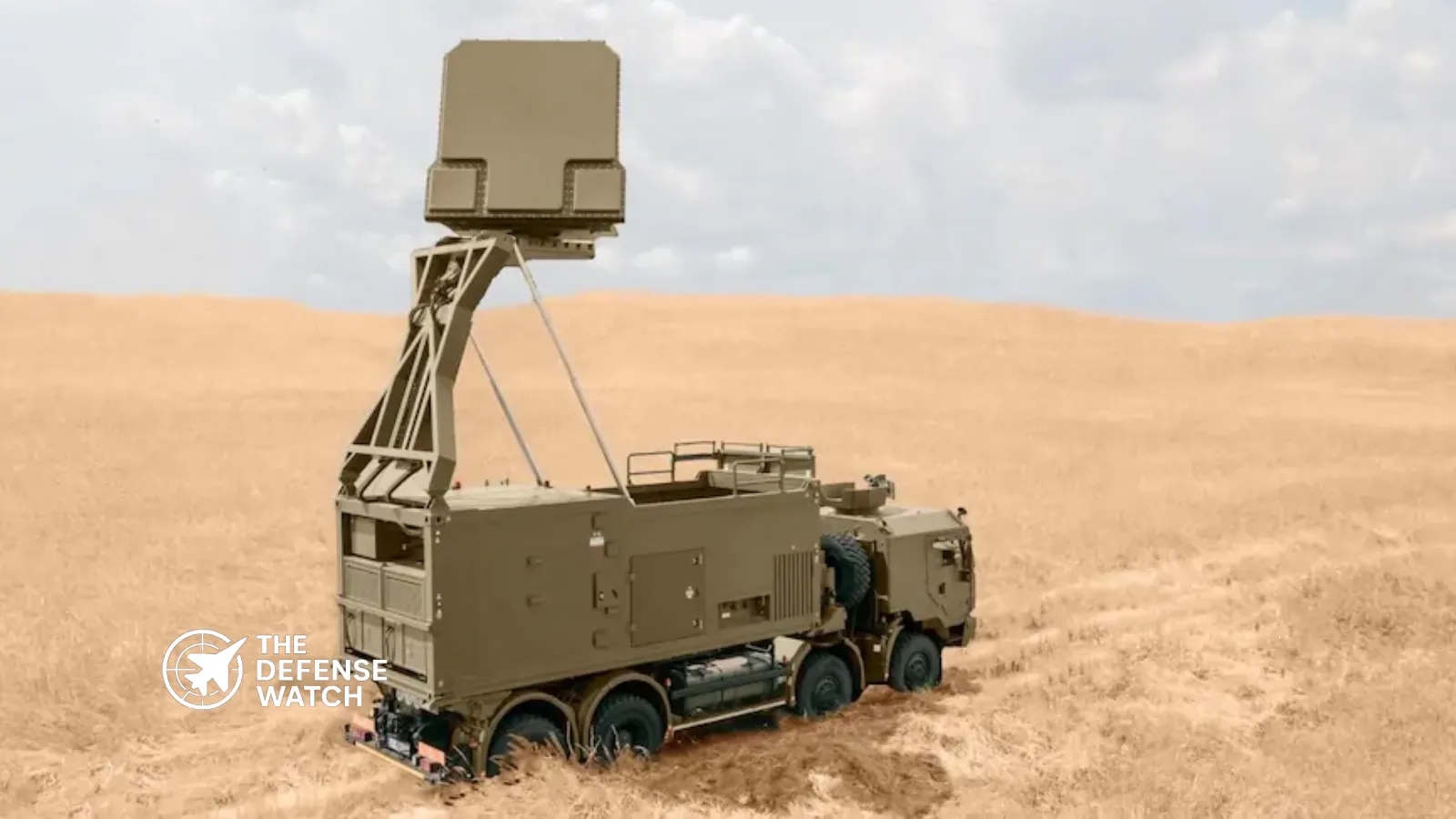
A central element of the system is Saab’s Giraffe AMB radar, a mobile surveillance platform designed for short to medium range air defense operations. The radar is paired with integrated command and control functionality, allowing operators to rapidly process airspace data and coordinate responses.
Giraffe AMB radar provides continuous airspace monitoring and supports identification of a wide range of aerial targets, including low flying aircraft and unmanned systems.
The integration of radar and command systems allows brigade level units to shorten decision cycles. This is increasingly important as modern air threats rely on speed, low observability, and coordinated multi axis approaches.
Technical and Operational Context
Ground based air defense systems are shifting toward networked architectures that combine sensors, command nodes, and firing units into a single operational picture. Sweden’s approach reflects this trend by strengthening the intermediate brigade layer rather than relying solely on strategic level systems.
Operational benefits include
- Reduced detection to engagement timelines
- Improved coordination between dispersed air defense units
- Greater resilience against electronic interference
- Enhanced tracking of unmanned aerial systems and cruise missiles
From an operational standpoint, brigade level GBAD systems are critical for protecting maneuver forces. They provide a protective envelope that enables ground forces to operate with reduced exposure to aerial threats.
Strategic Context for Sweden and NATO
Sweden’s investment in brigade level air defense aligns with broader European defense modernization efforts following increased concern over airspace security and contested electromagnetic environments.
The integration of Saab systems into Swedish Army brigades enhances interoperability with NATO air defense frameworks, particularly as Sweden deepens its defense integration following accession.
This procurement also highlights a shift toward distributed air defense rather than centralized systems. Instead of relying on a small number of high value platforms, modern doctrine emphasizes layered coverage across multiple mobile units.
Analysis: What This Means for Modern Air Defense Doctrine
The Saab contract reflects three broader shifts in air defense development.
First, detection speed is becoming as important as interceptor performance. Modern aerial threats, including drones and low observable cruise missiles, compress reaction windows. Systems like Giraffe AMB prioritize early detection and tracking stability under cluttered conditions.
Second, command and control integration is now a primary capability rather than a support function. The ability to fuse sensor inputs and distribute targeting data in real time determines whether air defense units can respond effectively in fast moving scenarios.
Third, brigade level autonomy is increasing. Instead of relying on centralized air defense headquarters, frontline units are being equipped with their own sensor and engagement coordination tools. This reduces vulnerability to communication disruption and improves survivability in dispersed battlefield conditions.
For Sweden, this procurement is less about introducing new technology and more about scaling an existing architecture into wider brigade coverage. That continuity reduces training burden and improves operational consistency across units.
Program Timeline and Delivery
The contract timeline extends from 2029 to 2030, indicating a phased rollout aligned with broader Swedish Army modernization cycles. This schedule allows for integration testing, training, and incremental deployment across multiple brigades.
Long lead times are common in air defense procurement due to system integration complexity and the need to synchronize sensors, command systems, and kinetic interceptors across multiple platforms.
Conclusion
Sweden’s latest GBAD procurement underscores a steady shift toward networked, brigade level air defense systems built around integrated radar and command architectures. By expanding the role of Saab’s sensor and control technologies, the Swedish Army is reinforcing its ability to respond to rapidly evolving aerial threats within a layered defense framework.
The program highlights a broader European trend toward distributed, mobile air defense systems designed to operate in contested and high tempo environments.
Executive Summary:
RTX Corporation has secured its largest-ever order for SharpSight radar systems through an agreement with Blue Raven Solutions. The deal highlights growing global demand for mobile intelligence, surveillance, and reconnaissance capabilities. It also signals a broader shift toward scalable, high-resolution radar solutions in modern military operations.
RTX SharpSight Radar Deal Strengthens ISR Capabilities
The RTX SharpSight radar deal represents a significant milestone for the company’s ground-based surveillance portfolio, underscoring rising demand for advanced ISR systems across global defense markets.
Through its partnership with Blue Raven, RTX will deliver its SharpSight radar, a system designed for persistent, high-resolution monitoring of land-based activity. The agreement is notable not only for its scale, but also for its timing, as military forces increasingly prioritize situational awareness in complex operational environments.
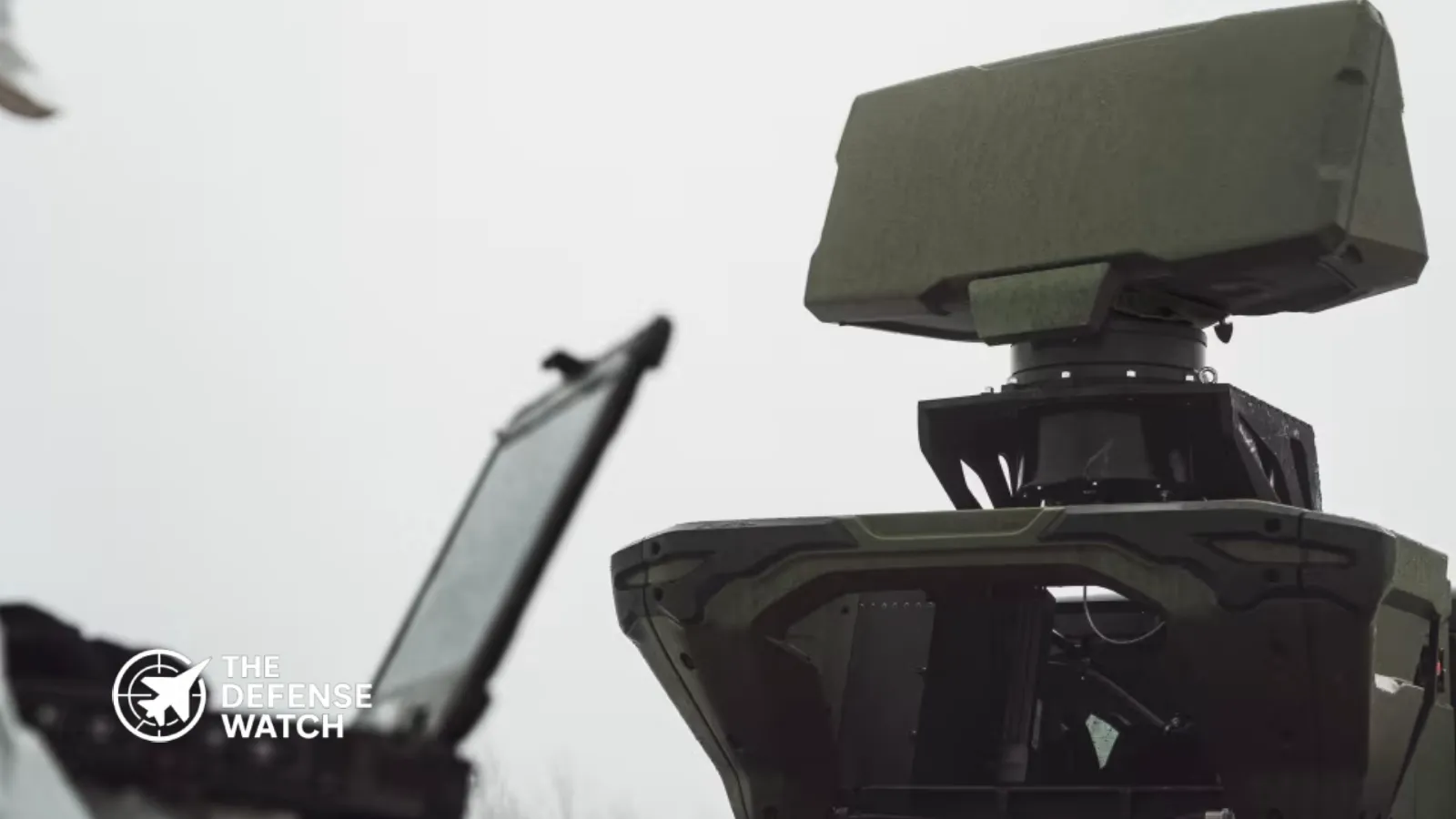
SharpSight is engineered to detect, track, and classify moving targets across wide areas. It supports border security, base protection, and forward-deployed operations. The system’s modular design allows for rapid deployment, making it suitable for both fixed and mobile missions.
RTX has not publicly disclosed the contract value, but confirmed it as the largest SharpSight order to date. That alone reflects growing confidence in the system’s performance and operational relevance.
What SharpSight Radar Brings To Modern Battlefields
The SharpSight radar sits within a broader category of ground surveillance radars designed to deliver persistent intelligence in real time. Its capabilities include:
- Wide-area ground moving target indication (GMTI)
- High-resolution imaging for classification
- Day and night, all-weather operation
- Integration with command-and-control systems
These features align with current military priorities, especially in contested environments where traditional ISR platforms, such as manned aircraft or satellites, may face limitations.
Unlike legacy systems, SharpSight emphasizes mobility and scalability. Units can be deployed quickly, repositioned as needed, and integrated into layered defense networks. This flexibility is critical in modern conflicts, where frontlines are fluid and threats evolve rapidly.
From an operational standpoint, systems like SharpSight help reduce reliance on higher-cost ISR assets. Ground-based radar offers persistent coverage at a lower operating cost, while still providing actionable intelligence.
Strategic Role Of Blue Raven In The Agreement
Blue Raven Solutions plays a key role as an integration and delivery partner in the RTX SharpSight radar deal. The company specializes in deploying advanced sensing and surveillance technologies for defense and security customers.
Its involvement suggests that the radar systems will likely be integrated into broader ISR architectures, rather than deployed as standalone assets. This reflects a growing trend in defense procurement, where interoperability and system-of-systems integration are critical.
Blue Raven’s role may also include customization, training, and operational support, ensuring that end users can fully exploit the radar’s capabilities in real-world conditions.
Growing Demand For Ground-Based Surveillance Systems
The RTX SharpSight radar deal comes amid a wider increase in demand for ISR technologies. Several factors are driving this trend:
- Rising geopolitical tensions and border security concerns
- Increased use of unmanned systems requiring detection
- Need for persistent surveillance in denied environments
- Shift toward distributed and networked warfare
Ground-based radars are particularly valuable in detecting low-signature threats, such as small drones or dismounted personnel. As these threats become more common, militaries are investing in sensors that can provide continuous coverage without reliance on air assets.
In this context, SharpSight fits into a broader ecosystem of layered sensing capabilities, complementing airborne ISR and space-based assets.
Operational Impact And Market Positioning
For RTX, this deal reinforces its position in the competitive ISR and radar market. The company, which includes legacy capabilities from Raytheon, has long been a leader in radar technologies across air, land, and maritime domains.
The SharpSight system adds to a portfolio that already includes advanced air defense radars and multi-domain sensing solutions. By expanding its ground surveillance offerings, RTX is positioning itself to capture a larger share of the ISR market.
From a customer perspective, the system provides a cost-effective way to enhance situational awareness. Its scalability makes it attractive for both large-scale military operations and smaller security forces.
Analysis: Why This Deal Matters Now
At least part of the significance of the RTX SharpSight radar deal lies in timing. Modern conflicts are increasingly defined by the need for persistent visibility across the battlefield.
Traditional ISR platforms, while powerful, are often limited by cost, availability, and vulnerability. Ground-based systems like SharpSight help fill these gaps by providing continuous, localized surveillance.
There is also a clear shift toward distributed sensing networks. Instead of relying on a few high-value assets, militaries are deploying larger numbers of smaller, interconnected sensors. This approach improves resilience and reduces the risk of single points of failure.
SharpSight aligns well with this concept. Its modular design and integration capability make it suitable for networked operations, where data from multiple sensors is fused into a common operational picture.
In addition, the rise of drone warfare has created new detection challenges. Low-flying, small UAVs are difficult to track using traditional systems. Advanced ground radars are becoming essential tools for countering these threats.
Future Outlook For SharpSight And ISR Systems
Looking ahead, the success of the RTX SharpSight radar deal could lead to further orders, particularly as defense budgets increasingly prioritize ISR capabilities.
Potential areas of growth include:
- Border surveillance and homeland security
- Counter-drone operations
- Expeditionary and rapid deployment forces
- Integration with AI-driven analytics
As sensor technology evolves, systems like SharpSight may also incorporate advanced data processing and machine learning, improving target identification and reducing operator workload.
Saab Giraffe G1X Radar Contract Expands Baltic Air Defense Capability
Saab Giraffe G1X radar systems are at the center of a new $23.87 million U.S. Army contract modification awarded to Saab Inc., aimed at strengthening Baltic air defense networks. The deal covers the procurement and delivery of 10 additional radar units for Estonia, Latvia, and Lithuania, reinforcing NATO’s eastern flank.
The modification brings the total contract value to $70.08 million, reflecting a broader U.S. effort to enhance partner capacity in regions facing increasing security pressure. The contract is managed by Army Contracting Command at Redstone Arsenal, Alabama.
Work will be carried out in East Syracuse, New York, with completion expected by February 28, 2027.
- Saab Inc. received a $23.87 million contract modification to supply 10 Giraffe G1X radars.
- The total contract value rises to $70.08 million under the U.S. Army agreement.
- Systems will support Estonia, Latvia, and Lithuania under a partner capacity program.
- Work will be performed in East Syracuse, New York, through February 2027.
- Funding comes from U.S. Army building partner capacity funds obligated at award.
Why The Giraffe G1X Radar Matters For Baltic Security
The Saab Giraffe G1X radar is a compact, multi-role system designed for short-range air surveillance and counter-drone operations. Its deployment across the Baltic states addresses a critical gap in low-altitude detection, particularly against small unmanned aerial systems and cruise missile threats.
Unlike legacy radar systems, the Giraffe G1X offers rapid deployment and mobility, allowing forces to reposition quickly in dynamic operational environments. This is especially relevant for Estonia, Latvia, and Lithuania, where terrain and proximity to potential adversaries demand flexible and resilient air defense solutions.
From a technical standpoint, the system integrates 3D radar capabilities with advanced tracking algorithms, enabling simultaneous detection of multiple targets. This improves situational awareness for ground-based air defense units and supports layered defense architectures.
U.S. Strategy: Building Partner Capacity In NATO’s Eastern Flank
The contract falls under the U.S. Army’s building partner capacity initiative, a long-standing program designed to strengthen allied military capabilities through targeted equipment transfers and training.
In the Baltic context, this effort aligns with NATO’s broader deterrence posture following heightened tensions in Eastern Europe. By equipping frontline allies with modern radar systems, the United States enhances early warning capabilities and reduces response times against potential aerial threats.
Defense analysts note that investments in radar and sensor networks are often more impactful than platform acquisitions alone. Without reliable detection systems, even advanced missile defenses cannot operate effectively. The Saab Giraffe G1X radar therefore plays a foundational role in the region’s integrated air defense framework.
Operational Impact: Countering Drones And Low-Flying Threats
One of the key drivers behind the Saab Giraffe G1X radar deployment is the growing threat posed by drones and low-observable aerial systems. Recent conflicts have demonstrated how inexpensive unmanned systems can overwhelm traditional defenses if not detected early.
The G1X radar is optimized for detecting small, slow, and low-flying targets, making it well-suited for counter-UAS missions. Its ability to operate in cluttered environments, such as urban or forested areas, further enhances its operational value in the Baltic region.
In practical terms, this means Baltic forces will gain improved capability to:
- Detect and track small drones at short ranges
- Provide targeting data for air defense systems
- Enhance coordination between radar and interceptor units
- Maintain situational awareness in contested environments
Industrial And Program Context
The work will be executed at Saab’s facility in East Syracuse, New York, highlighting the company’s U.S.-based manufacturing footprint. Saab Inc. has steadily expanded its presence in the American defense market, particularly in radar and electronic warfare systems.
The use of fiscal 2010 building partner capacity funds for this award reflects how long-term appropriations continue to support ongoing security cooperation programs. While the funding source may appear dated, such allocations are often structured to allow flexibility in execution over multiple years.
Strategic Outlook
The Saab Giraffe G1X radar contract underscores a broader shift toward distributed, networked air defense systems in Europe. Rather than relying solely on high-end platforms, NATO allies are investing in scalable and interoperable technologies that can be deployed rapidly.
For the Baltic states, this approach provides a cost-effective way to enhance defense readiness while integrating with NATO command and control systems. For the United States, it reinforces alliance cohesion and ensures that frontline partners are equipped to handle evolving threats.
As drone warfare and low-altitude threats continue to evolve, systems like the Saab Giraffe G1X radar are likely to become a standard component of modern air defense strategies.
- Raytheon awarded $40.2M base contract for OTH radar operations and maintenance.
- Contract supports relocatable over-the-horizon radar at Navy surveillance centers.
- Enhances long-range maritime domain awareness and early warning capability.
- Total value could reach $212.1M if all options exercised through 2031.
- Work spans multiple U.S. and Puerto Rico locations.
Raytheon OTH Radar Contract Strengthens U.S. Navy Surveillance Network
The Raytheon OTH radar contract marks a significant investment in sustaining the U.S. Navy’s long-range surveillance capabilities, with Raytheon Co. awarded a $40.25 million cost-plus-fixed-fee contract for operations and maintenance services.
The contract supports the relocatable over-the-horizon radar system at the Forces Surveillance Support Center in Chesapeake, a key node in the Navy’s maritime monitoring architecture.
The Big Picture
The U.S. Navy continues to prioritize persistent, wide-area surveillance as part of broader efforts to counter emerging maritime threats and enhance domain awareness.
Over-the-horizon radar systems play a central role in detecting targets at ranges far beyond conventional line-of-sight sensors. These systems use high-frequency radio waves that bounce off the ionosphere, allowing operators to monitor vast ocean areas, including potential adversary movements.
This contract aligns with ongoing U.S. military modernization efforts focused on sensor integration, distributed operations, and early warning capabilities, particularly in contested maritime environments.
What’s Happening
The Naval Supply Systems Command Fleet Logistics Center in Philadelphia awarded the contract following a competitive procurement process conducted through Sam.gov.
Raytheon will provide operations and maintenance services for the relocatable over-the-horizon radar system. The contract includes:
- A one-year base period running through April 2027
- Four optional one-year extensions
- A potential total value of $212.1 million if all options are exercised through April 2031
Work will take place across multiple locations, including:
- Chesapeake (48 percent)
- Freer and Premont (20 percent combined)
- New Kent (9 percent)
- Juana Díaz and Vieques (18 percent combined)
- Dallas and Fairfax (5 percent combined)
The Navy obligated $1 million in fiscal 2026 operations and maintenance funding at the time of award.
Why It Matters
Sustaining over-the-horizon radar capability is critical for maintaining persistent surveillance over large maritime areas, especially in regions where satellite coverage or airborne ISR assets may be limited or contested.
Unlike traditional radar systems, OTH radars can detect aircraft and surface vessels at distances exceeding 1,000 nautical miles. This provides early warning and enhances tracking of potential threats, including long-range missile launches and naval movements.
The contract ensures system readiness, reliability, and continuous operation, which are essential for real-time decision-making in naval operations.
Strategic Implications
Reliable OTH radar coverage directly strengthens U.S. military readiness by improving situational awareness across key maritime approaches.
The distributed nature of the system, with multiple operating sites, supports resilience against disruption or attack. It also allows the Navy to maintain coverage across both Atlantic and Gulf regions.
This capability contributes to layered defense architectures by complementing satellite surveillance, airborne ISR platforms, and ship-based sensors.
Competitor View
China and Russia have both invested heavily in over-the-horizon radar technologies as part of their anti-access and area denial strategies.
Sustained U.S. investment signals continued emphasis on long-range detection and early warning. Competitors may interpret this contract as part of a broader effort to reinforce maritime surveillance coverage and close potential detection gaps.
OTH radar systems also provide strategic transparency, making it more difficult for adversaries to operate undetected in key maritime zones.
What To Watch Next
Future developments will likely focus on integration with other sensor networks and command systems.
Key areas to monitor include:
- Integration with joint all-domain command and control frameworks
- Potential upgrades to radar processing and signal analysis capabilities
- Expansion of relocatable radar deployments to other regions
Funding decisions in upcoming defense budgets will also indicate whether the Navy plans to expand or modernize its OTH radar fleet.
Capability Gap
The Raytheon OTH radar contract addresses a critical gap in persistent long-range surveillance that cannot be fully covered by satellites or aircraft alone.
While satellites provide global coverage, they can face limitations such as revisit rates and vulnerability to counter-space measures. Airborne platforms offer flexibility but require significant operational resources.
OTH radar fills this gap by providing continuous, ground-based monitoring over vast distances.
However, these systems can face limitations in resolution and target discrimination compared to closer-range sensors, which makes integration with other ISR assets essential.
The Bottom Line
The Raytheon OTH radar contract ensures sustained long-range surveillance capability, reinforcing the U.S. Navy’s ability to detect and track threats across vast maritime regions.
Qatar Boosts Air Surveillance With Thales Radar Contract
Qatar has ordered Thales air surveillance radars to improve its national airspace defense, signing a contract for medium- and long-range ground-based systems with the French defense firm at the DIMDEX exhibition in Doha in late January 2026. This procurement adds both GM400α and GM200 MM/A radars to the Qatar Emiri Air Force inventory.
Radar Systems in the Contract
The order covers two key radar types from Thales:
• Ground Master 400 Alpha (GM400α) long-range air surveillance radar. It is designed for wide-area monitoring and can track airborne targets at distances up to about 515 kilometers. This system supports detection of high-altitude, fast, and maneuvering threats across large sectors.
• Ground Master 200 Multi-Mission All-in-One (GM200 MM/A) medium-range radar. It provides air and surface surveillance out to roughly 350 kilometers and can support fire control for air defense systems.
Both systems use Thales’s Secure Digital Integration Platform, which allows radar data to be fused into a unified air picture and supports future integration of non-U.S. sensors.
Contract Elements and Support
The agreement includes long-term maintenance and training support. Thales will provide a national supervision and maintenance system and run operator and technician training, with local support activities extending through 2036.
Officials from Thales described the contract as part of a long-standing partnership with Qatar, aimed at strengthening the country’s airspace sovereignty and its ability to counter evolving airborne threats including drones and low-signature targets.
Strategic Context
The radar acquisition comes amid a broader regional focus on improving early warning and integrated air defense networks. Ground-based multi-mission radars like the GM400α and GM200 MM/A form a core layer in national air surveillance, feeding data to command and control systems and layered defense networks.
Qatar has previously invested in air defense assets including fighter aircraft sensors and long-range L-band surveillance radars. The new Thales systems add scalable, mobile, and digitally integrated radar capability that aligns with ongoing modernization efforts.
What Comes Next
Deliveries and system integration timelines have not been publicly detailed. Implementation will likely involve deploying the radars at strategic sites and integrating them with existing defense infrastructure. Long-term operations and maintenance by Thales personnel aim to build local capacity and ensure sustained readiness.
RAF Typhoon Upgrades Receive £650 Million Investment
The UK Ministry of Defence has committed more than £650 million to upgrade the Royal Air Force Typhoon fleet, securing over 1,500 skilled jobs across the country. The investment reinforces the Typhoon’s role as the backbone of UK air defense and aligns with the Strategic Defence Review’s modernization plans.
Defence Secretary John Healey confirmed a £453 million contract for Leonardo UK to produce advanced radar systems at the company’s Edinburgh site. The deal will safeguard 300 jobs in Edinburgh, 120 in Lancashire, and over 100 in Luton, while supporting up to 1,300 additional roles across the UK supply chain.
The program will equip RAF Typhoons with the new European Common Radar System Mk2, developed in partnership with BAE Systems and Parker Meggitt. The wider Typhoon program currently supports more than 20,000 jobs across 330 UK companies, including apprentices and specialist engineers in Scotland.
Earlier this week, a separate £205 million contract was awarded to QinetiQ for long-term engineering support, preserving around 250 UK jobs. Together, the contracts highlight the government’s focus on maintaining skilled employment while enhancing national security capabilities.
“Our Typhoon fleet is the backbone of UK and NATO air defense,” Healey said. “As threats increase, including Russian drone activity over Ukraine, these cutting-edge radar systems will keep Britain secure and our allies strong.”
Scottish Secretary Douglas Alexander emphasized the importance of Scottish expertise, noting the contract demonstrates why the country is a global center of defense excellence. Leonardo and BAE Systems confirmed that the projects would protect hundreds of high-skilled positions while maximizing the UK’s investment in the Typhoon fleet.
The upgrades come as the UK plans to raise defense spending to 2.6 percent of GDP from 2027, reinforcing its commitment to modernizing air defense and maintaining industrial capability in critical aerospace sectors.
US Air Traffic Control Radar Contracts Mark Key FAA Upgrade
US air traffic control radar contracts awarded to RTX and Indra represent a major step in the Federal Aviation Administration’s effort to modernize surveillance systems across the national airspace. The awards, reported by Reuters, focus on replacing and sustaining critical radar infrastructure that underpins civilian and military flight safety.
The FAA has faced growing pressure to refresh decades-old systems as air traffic volumes rebound and mixed civilian military airspace becomes more complex.
What the Contracts Cover
According to Reuters, the FAA selected RTX and Spain-based Indra to provide air traffic control radar systems under separate contracts. The awards support long-term operation, upgrades, and sustainment of ground-based surveillance radars used to track aircraft across US airspace.
RTX, through its Collins Aerospace unit, has long been a core supplier of FAA radar and navigation systems. Indra, a major European provider of air surveillance technology, already supports radar networks in multiple countries, including prior FAA-related programs.
The FAA did not disclose all technical details publicly, but the contracts are tied to maintaining reliable primary and secondary radar coverage as part of broader air traffic control radar modernization.
Why Air Traffic Control Radar Modernization Matters
US air traffic control radar contracts are not just procurement actions, they are central to aviation safety and national resilience. Many FAA radar sites were installed decades ago and require sustained investment to remain reliable.
Modern radar systems improve aircraft tracking accuracy, reduce outages, and support integration with newer digital air traffic management tools. These upgrades also matter for homeland security, as civil radar feeds contribute to airspace awareness shared with US defense and security agencies.
Strategic Context for US Aviation Infrastructure
The FAA has warned in multiple budget submissions that deferred modernization increases operational risk. Recent high-profile disruptions in US air travel have renewed scrutiny of air traffic control infrastructure, staffing, and technology.
By awarding air traffic control radar contracts to RTX and Indra, the FAA is leaning on established suppliers with proven systems rather than pursuing untested solutions. This reflects a risk-aware approach as aviation demand continues to rise.
Outlook
The radar awards fit into a longer-term FAA strategy that includes digital towers, satellite-based surveillance, and software-driven traffic management. Ground-based radar, however, remains a backbone capability, especially for redundancy and national coverage.
As these contracts move forward, Congress and industry will closely watch execution timelines and system reliability, given the direct impact on daily flight operations across the United States.
Elbit Systems UK has delivered the first batch of its ground-based surveillance radar (GBSR) systems to the British Army. The units were handed over following successful live-fire trials earlier this year.
Background
The radar capability forms part of the British Army’s efforts to enhance battlefield situational awareness and artillery precision. According to historical contract data, Elbit Systems UK was awarded a contract by the UK Ministry of Defense to provide up to 90 GBSR systems during 2023–24 with an option for 40 more. The systems are produced in the UK and Europe and tailored to meet the British Armed Forces’ requirements. The GBSR capability is intended to detect and classify moving threats — including drones, vehicles, helicopters, and personnel — as well as provide fall-of-shot correction for artillery rounds.
Details of the Delivery
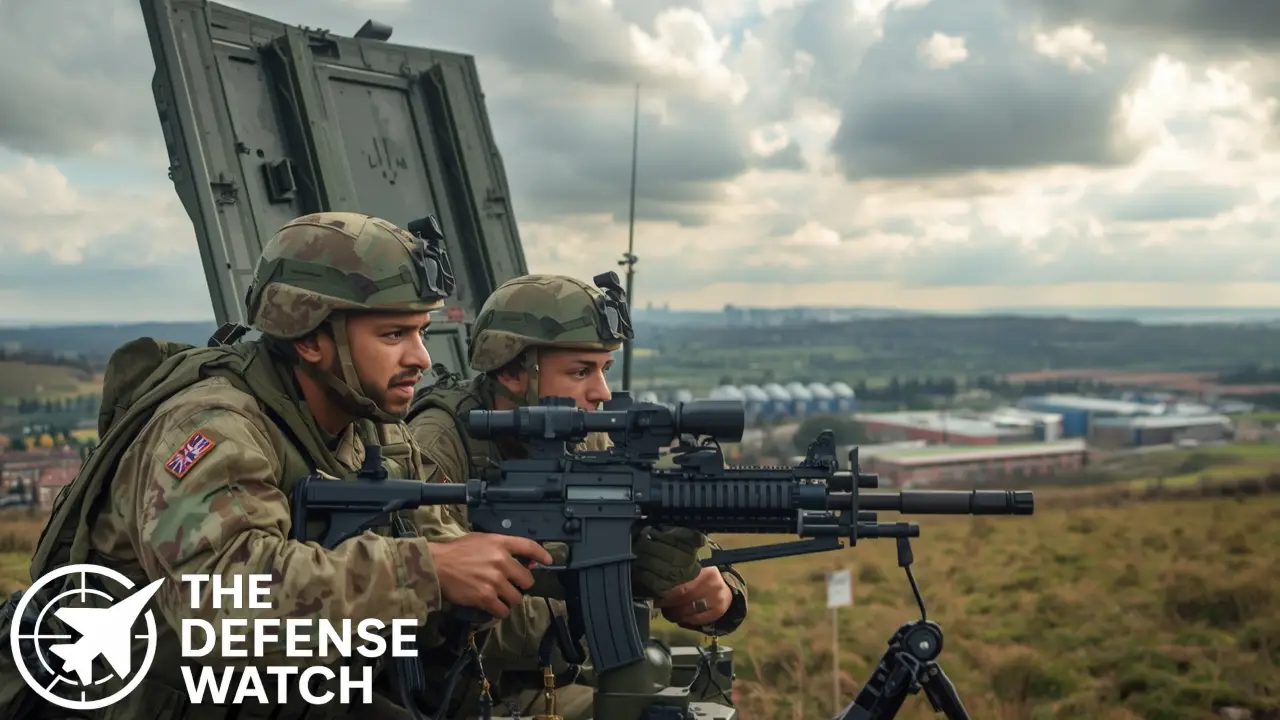
The initial tranche comprises 55 radar units and associated support solutions, marking the first delivery under the program. In the surveillance role, the GBSR can track and classify personnel, vehicles, helicopters and drones — delivering early warning of inbound threats and tracking friendly force movement. In its artillery correction role, the radar detects rounds in flight and locates impacts, enabling mortar and gun teams to adjust fire quickly and accurately.
Company officials emphasize an open architecture design that supports interoperability and future-proofing for evolving mission requirements. The systems are manufactured in the UK and Europe to UK customer specifications.
Commenting on the delivery, Martin Fausset, Chief Executive Officer of Elbit Systems UK, said: “GBSR will enhance the situational awareness of personnel on the ground, help keep them safer by better detecting enemy threats, and give them the advantage in locating targets. The program is a great example of our Bristol team working with the customer to develop a bespoke capability that meets end users’ requirements now and into the future. We look forward to delivering the rest of the systems to soldiers across the British Army.”
Live-fire trials earlier in the year served to validate the system’s performance in realistic artillery and surveillance scenarios. While precise performance metrics (such as detection range, classification accuracy or round-flight tracking speed) were not publicly released, the company asserts that the units meet the British Armed Forces’ tactical needs.
Analysis
The introduction of GBSR into British Army service signals an increased emphasis on layered detection, classification and correction capabilities at the tactical level. The ability to detect low-signature threats such as drones and to track the trajectory of artillery rounds aligns with evolving threat sets in contested environments. The open architecture approach suggests that the system is designed for modular upgrades and integration into broader battlefield networks.
Given recent procurements and evolving doctrine, this capability supports both defensive situational awareness (personnel, vehicles, drones) and offensive support (artillery precision). The local manufacturing in the UK and Europe may also support industrial base and sovereign supply chain considerations — increasingly a factor in defence procurement decisions.
Policy and Expert Perspective
Defense analysts will likely view this delivery as part of the UK’s broader modernization efforts, especially as they adapt to emerging domains such as unmanned threats and advanced artillery duels. Analysts note that as theatres of operations become more contested with longer-range fires and autonomous systems, real-time detection and correction capabilities move from niche to necessity. Moreover, local production helps reinforce national resilience-though it also presents the challenge of scaling up sustainment, training and logistics for new systems. From a policy perspective, the UK Ministry of Defense will need to ensure integration of the radar data into command and control systems, training of operators, and interoperability with allied forces. Considering that the contract has up to 130 units (90 plus option 40) according to prior announcements, future deliveries will shape operational coverage across the army.
What’s Next
The remaining radar systems under the contract will be delivered later this year and into 2024, supporting wider deployment across the British Army. The next phase will likely focus on field integration, user training, and linkage to artillery units and surveillance networks. The army will also monitor how the systems perform in live operations and exercise contexts, feeding lessons into future upgrade cycles. In parallel, Elbit Systems UK and the Ministry of Defense may explore additional enhancements, such as further range, classification capability, or integration of AI-driven analytics.
The first delivery of 55 units is a significant milestone, but full operational effect will depend on rollout, training, integration and adaptation to real-world missions. As the security environment evolves, capability such as GBSR may become a key enabler for both protecting troops and enabling precision fires.