What Happened Near Venezuela
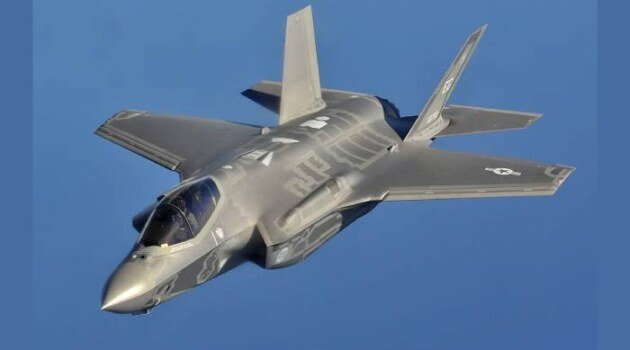
The U.S. military has expanded its deployment near Venezuela, sending additional F-35 fighter jets, intelligence aircraft and electronic warfare platforms into the Caribbean Sea region, according to open source reporting and imagery. The move on December 23, 2025, builds on an already unprecedented U.S. naval and air presence under Operation Southern Spear and signals heightened pressure on the government of Venezuelan President Nicolás Maduro.
This deployment adds to the large force arrayed around Venezuela that includes carrier strike group aviation, reconnaissance and special operations aircraft as well as ground support assets.
Why It Matters
The expanded deployment near Venezuela comes amid a sharp rise in tensions between Washington and Caracas. Officially framed by U.S. authorities as counter-narcotics and sanctions enforcement, the scale and composition of forces now positioned in the Caribbean represent one of the largest U.S. military buildups in the region in decades. Observers note that the presence of advanced ISR and electronic warfare platforms, together with fifth-generation fighters, reflects a broader strategic posture that goes beyond routine drug interdiction.
The deployment occurs against the backdrop of ongoing U.S. strikes on vessels suspected of drug trafficking and sanctions evasion, as well as maritime interdictions of tankers linked to Venezuelan oil shipments. These actions have drawn strong condemnation from Caracas, which has characterized the U.S. moves as aggressive.
Background: Operation Southern Spear and Regional Buildup
Operation Southern Spear is the current U.S. military mission covering the Caribbean and northern South America, officially focused on counter-narco trafficking and enforcement of sanctions. Since mid-2025, the U.S. has substantially increased its regional presence, deploying approximately 15,000 personnel and a mix of naval, air and ground assets. This includes a carrier strike group, amphibious units, reconnaissance aircraft and tactical fighters.
The U.S. has also reactivated Roosevelt Roads Naval Station in Puerto Rico, establishing it as a hub for forward basing of aircraft including F-35s. The 158th Fighter Wing of the Vermont Air National Guard, operating F-35A Lightning II jets, is among the units now in place.
Critics of the U.S. posture see the operation as a form of coercive diplomacy. Analysts argue that the breadth of forces assembled, especially high-end ISR and electronic warfare capability, provide Washington with options that extend beyond narcotics missions, potentially including precision strikes or deeper pressure on Venezuelan military infrastructure.
Expanded Air Power and ISR Assets
The latest increment of U.S. forces near Venezuela includes:
F-35 Fighter Jets
Multiple F-35A Lightning II fighters from the Vermont Air National Guard’s 158th Fighter Wing have arrived in the Caribbean. These jets bring stealth, sensor fusion and advanced datalink capability to the theater, allowing for air superiority, suppression of air defenses and maritime interdiction missions.
ISR and Special Operations Aircraft
Additional aircraft such as U-28A Draco intelligence platforms, MC-130J Commando II special operations aircraft, and rare EC-130H Compass Call electronic warfare planes are part of the deployment. These assets extend the U.S. military’s ability to monitor, collect and act on intelligence in a complex battlespace, and to disrupt communications or radar systems if directed.
Naval Aviation and Support Elements
Forward airfields, including those in Puerto Rico and the Dominican Republic, are central to sustaining these operations. A detachment of the 921st Contingency Response Squadron is reported to have established facilities at Las Américas International Airport in the Dominican Republic to support mobility and logistics.
Regional and International Context
The U.S. buildup near Venezuela is occurring amid broader geopolitical friction in Latin America. Venezuelan authorities have mobilized militia and military units and repeatedly denounced U.S. actions as threatening to sovereignty and stability. Some Latin American governments have responded to U.S. security agreements by deepening cooperation, while others voice concern about escalation and regional security.
The U.S. Federal Aviation Administration has issued warnings to commercial airlines about a worsening security situation in Venezuelan airspace, underscoring how the military posture is affecting civil aviation and commercial operations.
Russia and other external powers remain closely watched actors given their own military ties and equipment transfers to Venezuela, a factor that adds strategic complexity to the Caribbean theater.
What to Watch Next
As the U.S. military expands its presence near Venezuela with F-35s and intelligence aircraft, key developments to monitor include:
Policy Signals from Washington
Statements from the Department of Defense and the White House about mission objectives could shape perceptions of whether the deployment remains focused on counter-narcotics or signals a deeper strategic shift.
Venezuelan Military Posture
How Caracas responds militarily or diplomatically will influence regional stability. Reports of Venezuelan air defense upgrades and militia mobilization will be important to track.
Regional Diplomatic Moves
Responses from neighboring states and regional organizations could either ease or heighten tensions, especially if more countries host U.S. forces or formally protest the deployment.
Get real time update about this post category directly on your device, subscribe now.