
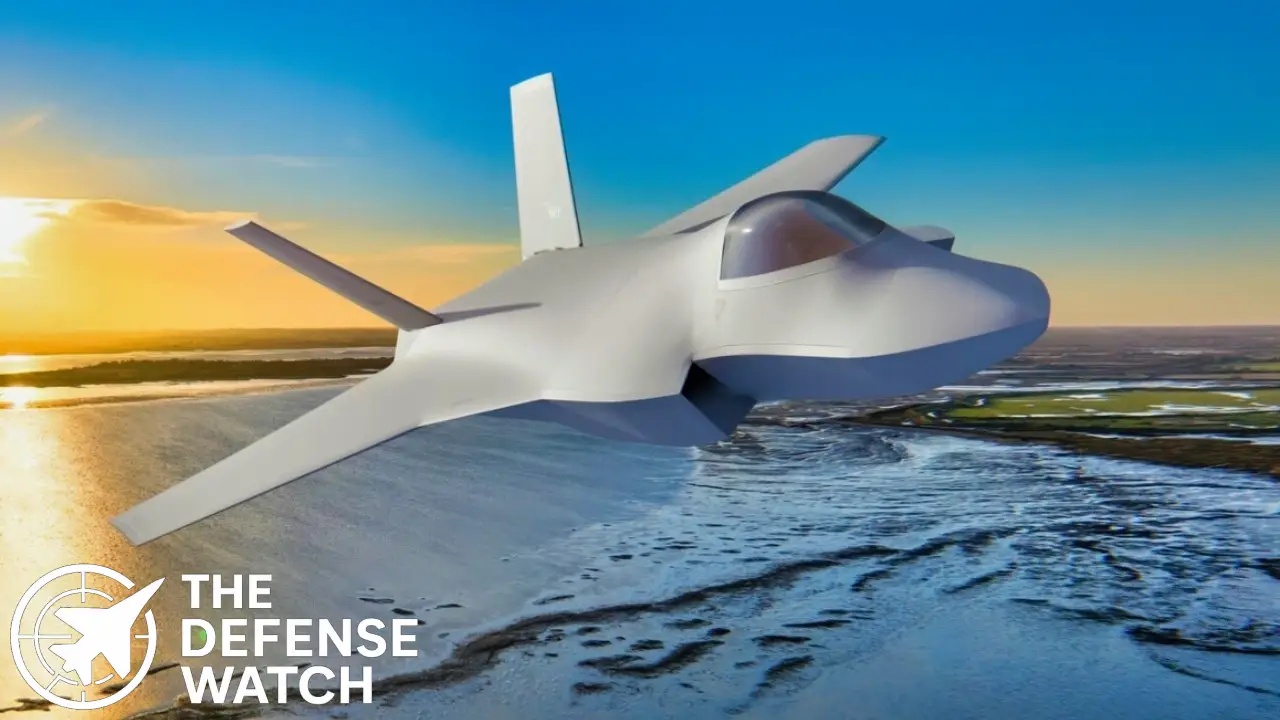
A recent article in *National Security Journal analyzed a futuristic concept for a seventh-generation fighter that could reach speeds of Mach 5 or more — far beyond today’s operational supersonic combat jets. The piece, titled “Forget NGAD or the J-20: A 7th Generation Fighter Could Hit Mach 5”, proposes that while current sixth-generation efforts dominate headlines, a more radical leap may be underway.
Background
The aviation industry currently categorizes modern combat jets into generations: the fifth generation (such as the F‑22 Raptor, F‑35 Lightning II and China’s J‑20), and the emerging sixth generation (for example the Next Generation Air Dominance (NGAD) program in the U.S.). The 5th-gen fighters bring stealth, sensor fusion and high performance; 6th-gen plans add unmanned teaming, directed energy and deeper connectivity.
In that context, the proposed seventh-generation fighter concept takes the next leap: ultra-high speed (hypersonic or near-hypersonic flight), novel propulsion, very long-reach sensors, and full integration into networked warfare ecosystems. The National Security Journal article argues that designers are already thinking beyond NGAD and the J-20 upgrades.
Details of the Concept
According to the article, the key characteristics of the proposed seventh-gen fighter include:
- Speed: A top speed target around Mach 5 (five times the speed of sound), enabling greatly reduced engagement and transit times.
- Survivability and reach: By combining high-speed transit with stealth and long-range sensors, the aircraft could penetrate deep into contested airspace and evade or outrun sophisticated air-defence systems.
- Advanced sensors and network: Emphasis on a “family of systems” approach, with the fighter functioning as a node in a larger sensor-shooter architecture (including unmanned wingmen, satellites and airborne sensors). The article references earlier studies of this trend.
- Role and paradigm shift: Rather than simply being a platform that improves incrementally over the 5th and 6th gen, the article suggests a shift in mindset—more focus on speed, reach and networked warfare than dog-fight agility alone.
While specifics such as manufacturer, engine type, operational date or cost are lacking (given the classified nature of next-gen programs), the article places the speed envelope of Mach 5 as a disruptive threshold. One academic study noted that to evade advanced missile-defenses, vehicles often need sustained speeds above Mach 5 during glide or manoeuvre phases.
Expert / Policy Perspective
Defense analysts have long remarked on the blurred boundary between manned fighters and unmanned systems, especially as AI, sensor fusion and remote operations become central. The National Interest recently cautioned that a seventh-generation fighter “may not include human operators” at all, given the pace of drone and AI capability.
From a policy and procurement standpoint, targeting Mach 5 raises major engineering, cost and operational questions:
- Propulsion and materials: Sustained Mach 5 flight imposes extreme thermal loads, engine demands and structural challenges. Historical hypersonic-flight research underlines high failure rates in development.
- Cost-effectiveness: Many countries still field 4th- and 5th-gen fighters and are upgrading rather than leaping generations. The risk of technological overreach is real.
- Strategic relevance: If speed becomes the dominant attribute, does air-superiority shift from maneuverability and stealth to reach and strike time? The article argues yes, but that operational concepts must evolve accordingly.

Impact and What’s Next
If this seventh-generation fighter concept moves from speculative to procurement reality, the implications are significant. Air forces would require new operational doctrines, infrastructure (e.g., high-speed engines, thermal management), and a rethink of adversary air-defence and counter-air strategies. The velocity leap to Mach 5 could compress decision cycles and increase vulnerability for slower platforms.
Key next steps to watch: announcements by major aerospace firms or defence ministries regarding “Mach x ” high-speed fighters; technology demonstrations of propulsion systems enabling sustained high-Mach flight; and shifts in air-force investment from incremental upgrades toward radical new platforms.
In short, while the current talking point remains the sixth-generation programs like NGAD and the J-20 upgrades, the horizon of a Mach 5-capable, seventh-generation fighter may mark the next major turn in combat aviation.
Get real time update about this post category directly on your device, subscribe now.

2 comments
[…] to the PIB, the leaking narrative was “deliberately pushed … to undermine the fighter’s proven technical […]
[…] aircraft also features a new wide area cockpit display derived from systems used on China’s J-20 fighter, alongside a modern helmet mounted display and cueing system. These additions are intended […]