
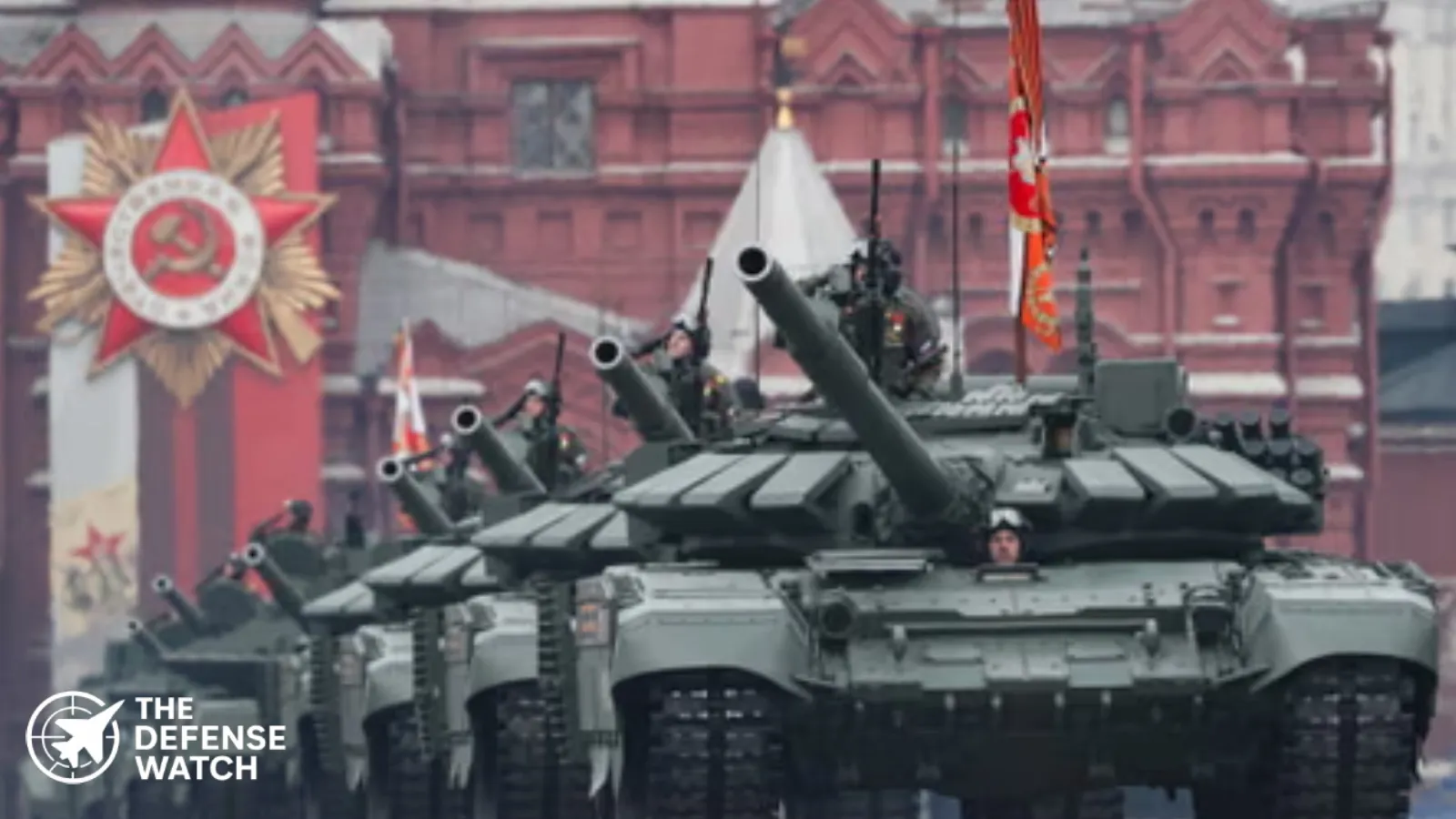
Russia Reports Record Arms Sales Amid Global Isolation
Russia earned over $15 billion from arms exports in 2025, supplying military equipment to more than 30 countries despite comprehensive Western sanctions, President Vladimir Putin announced last week. However, defense analysts are raising significant questions about the validity of these figures as Russia’s defense industry operates at wartime production levels.
Speaking at a January 30 meeting of the Commission on Military-Technical Cooperation in Moscow, Putin stated that export contracts had been reliably fulfilled despite mounting pressure from Western nations attempting to block Russia’s defense partnerships. The revenue, according to the Russian president, would help modernize defense enterprises, expand production capacity and fund research programs.
Western Analysts Challenge Moscow’s Export Claims
The $15 billion figure represents a remarkable claim given Russia’s ongoing war in Ukraine, now approaching its fourth year. If accurate, these numbers would indicate a dramatic rebound to near pre-war export levels for Russia’s military sales sector.
According to the Stockholm International Peace Research Institute, which tracks global major arms trade using transparent methodology, Russian large weapons exports fell 47 percent between 2022 and 2024. The broader trend reveals a 64 percent decline comparing the 2015-19 period to 2020-24, though the descent began before the invasion of Ukraine.
SIPRI data shows Russia dropped to third place globally for arms exports behind the United States and France by 2024 due to its declining influence in the global military marketplace.
Credibility Gaps in Russian Export Data
Significant credibility problems exist with the official Russian numbers. The government in Moscow claimed $13.75 billion in exports for 2024, while Western analysts estimated them to be billions of dollars lower.
Russian arms exports may have collapsed from $14.6 billion to approximately $3 billion between 2021 and 2023, according to an analysis from the Jamestown Foundation, a Washington-based think tank founded in 1984. While exact estimates differ across methodologies, the downward trend holds true across Western reports.
Russia stopped publicly disclosing detailed data on arms export contracts following the start of the full-scale invasion of Ukraine in February 2022, including ceasing to provide information to relevant United Nations organizations. This transparency gap has made it harder for independent observers to accurately estimate the full picture of Russia’s arms trade.
Africa Emerges as Priority Market for Russian Weapons
Putin’s announcement came alongside remarks from Rosoboronexport CEO Alexander Mikheyev, who told Russian state news agency TASS that military-technical cooperation with African countries has reached levels last seen during the Soviet era and surpassed it in some respects. Rosoboronexport is expanding its activities across the African continent, Mikheyev stated following the presidential commission meeting.
Rosoboronexport, Russia’s state arms export monopoly, oversees more than 85 percent of the country’s military exports. The company has concluded over 30,000 contracts with 122 countries since its establishment, with total exports exceeding $230 billion. The company’s order book now exceeds $60 billion, Mikheyev announced on January 30.
The Kremlin has prioritized arms sales to Africa, Asia and the Middle East, regions not directly subject to Western restrictions imposed following Russia’s 2022 invasion of Ukraine. Putin said more than 340 joint defense projects with 14 countries were either underway or in development, and announced additional state support measures for military exports covering 2026 through 2028.
Domestic Demand Outweighs Export Revenue
SIPRI data shows Russia’s leading arms companies, Rostec and United Shipbuilding Corporation, increased their revenues by 23 percent in 2025. However, this growth came from domestic military demand, which researchers note more than offset the revenues lost due to falling arms exports.
Russia’s defense industry is already operating at wartime production levels to supply its own military forces engaged in Ukraine. Defense spending had reached 7.3 percent of GDP as of December 2025, according to official numbers. This raises fundamental questions about whether Russia can sustain high export levels while meeting its own military requirements.
Combat Performance Raises Questions for Potential Buyers
Combat losses of Russian-made equipment in Ukraine, Venezuela and Iran may have raised questions among some potential buyers about the effectiveness of Moscow’s weapons systems in modern warfare. The performance of Russian tanks, aircraft and air defense systems under battlefield conditions has been scrutinized by defense ministries worldwide.
If the reported numbers are accurate, Russia’s ability to maintain arms exports at these levels would raise questions about Western sanctions effectiveness. While the restrictions have targeted Russia’s banking, technology and trade sectors, many countries in Africa and Asia continue to do business with Russia and purchase Russian military equipment due to lower costs and longstanding defense relationships.
Strategic Implications of Russian Arms Trade
The continued sales also reflect Moscow’s use of its weapons exports to strengthen its geopolitical position in regions across the globe. Russian military equipment often comes with fewer political conditions than Western alternatives, making it attractive to countries seeking to diversify their defense partnerships or avoid Western influence.
However, the divergence between Russian official claims and Western analytical assessments highlights the challenges in accurately tracking global arms flows. The lack of transparency from Moscow since 2022 has created an information vacuum that complicates efforts to understand the true state of Russia’s defense export industry.
As Western sanctions continue to evolve and Russia’s war in Ukraine persists, the sustainability of Moscow’s claimed export performance remains uncertain. Defense analysts will continue monitoring available data from customs records, satellite imagery and open-source intelligence to develop independent assessments of Russian arms trade volumes.
The question of whether Russia can simultaneously supply its own military forces while maintaining significant export revenues will likely remain central to understanding the country’s defense industrial capacity in 2026 and beyond.
Get real time update about this post category directly on your device, subscribe now.
