
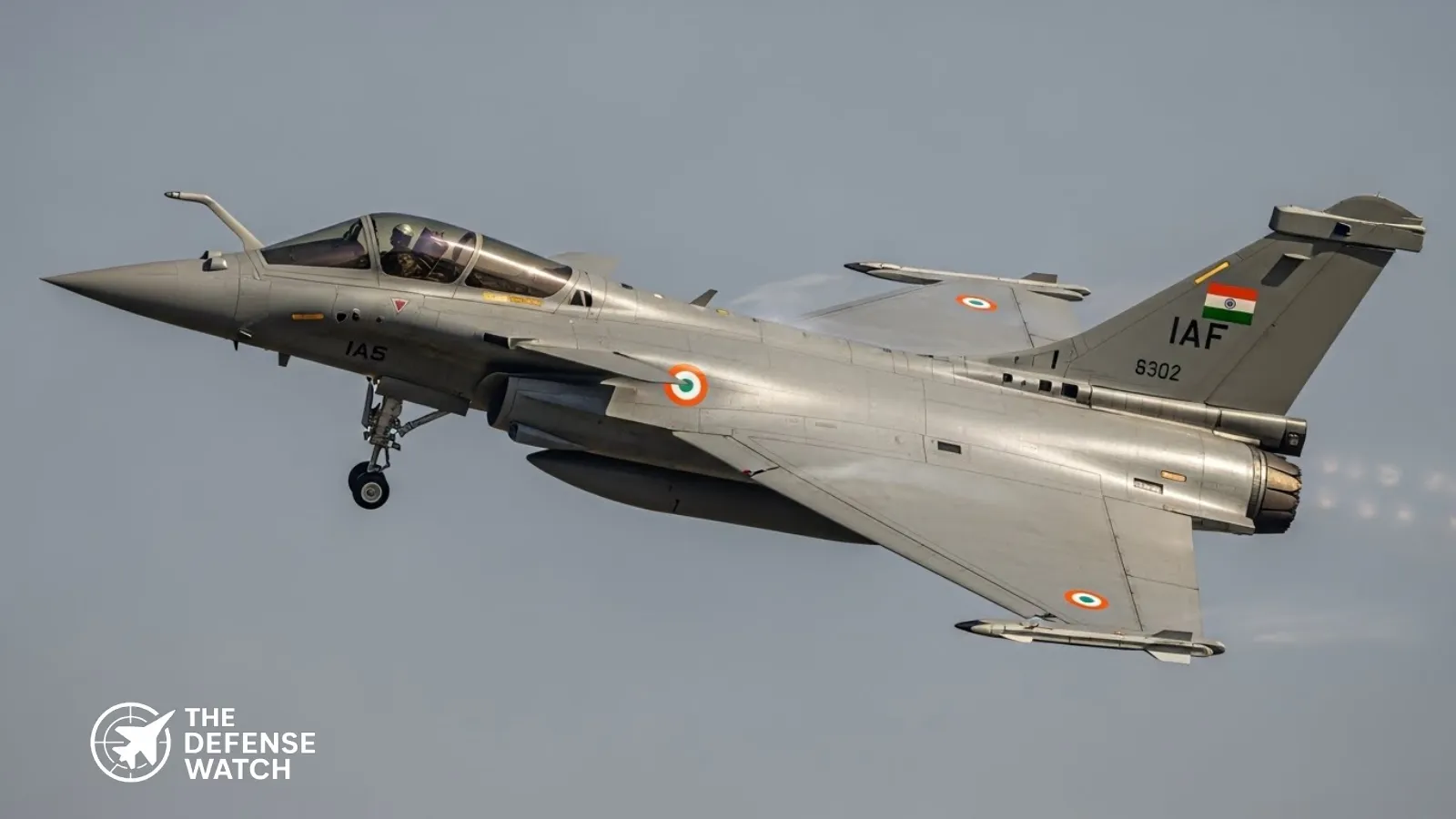
Indian Rafales Shot Down by Pakistan During Air Clash Identified
A British defense publication has identified the serial numbers of four Indian Air Force Rafale fighter jets allegedly shot down by Pakistan during a brief but intense aerial engagement in May 2025, according to an investigative report by Key Aero magazine. The claimed losses include aircraft with serial numbers BS-001, BS-021, BS-022, and BS-027. The Indian side has not publicly confirmed these specific losses.
Background: May 2025 India-Pakistan Hostilities
In early May 2025, India and Pakistan engaged in one of their most serious military confrontations in years. The conflict began after a deadly militant attack in Indian-administered Kashmir triggered Indian cross-border airstrikes into Pakistan. The ensuing aerial battles lasted several days and involved fighter jets, surface-to-air systems, and various support assets. Both sides traded claims about aircraft losses and mission outcomes.
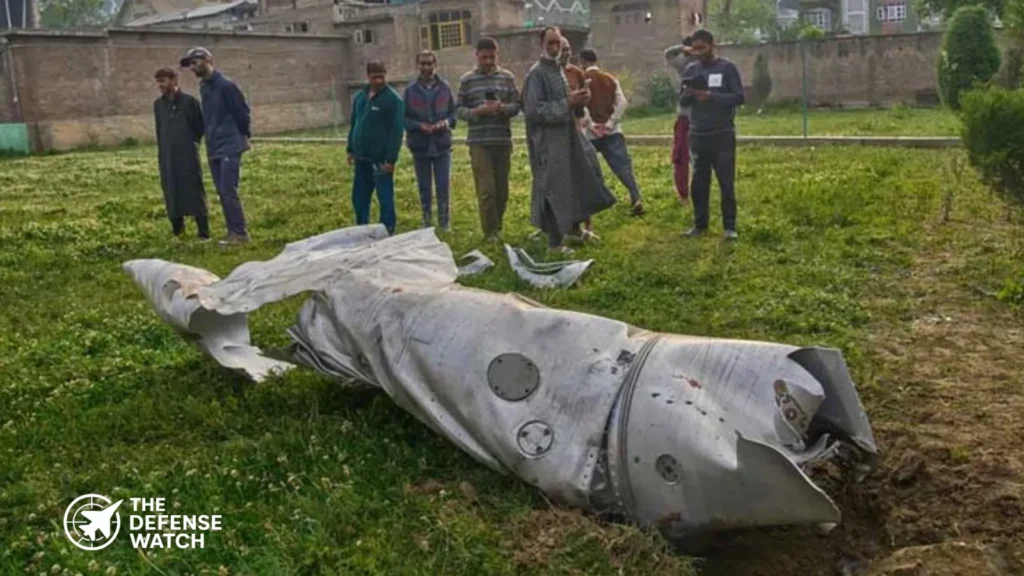
Pakistan’s military and political officials repeatedly stated that they had shot down multiple Indian aircraft during the clashes. New Delhi accepted that it lost some jets but disputed the exact numbers and narratives offered by Islamabad, describing some claims as inaccurate or exaggerated. Indian military leadership has suggested tactical and operational lessons learned from the engagements without providing detailed loss figures.
Key Aero Report Details
According to Key Aero’s investigation, the four Rafale fighters listed by serial number were destroyed during a roughly 52-minute air battle between Indian and Pakistani forces. The report asserts that Pakistan’s integrated method of operations, combining cyber and conventional capabilities, degraded Indian air operations.
The report further claims additional Indian assets were lost, including MiG-29 and Su-30 aircraft and Heron unmanned aerial vehicles. It also alleges that on May 10, a Pakistan Air Force JF-17C Block-III fighter destroyed an Indian S-400 long-range air defense system at Udhampur, and Pakistani units struck Indian command-and-control facilities in Barnala.
Key Aero’s assessment suggests that Pakistan’s use of cyber operations disrupted nearly 96 percent of Indian social and digital communications networks, a claim that, if verified, would represent an unusual integration of cyber effects into kinetic military operations.
The report also references an earlier interview with Indian Chief of Defense Staff General Anil Chauhan acknowledging aircraft losses in the conflict, though not specifying types or numbers.
Verification and Conflicting Accounts
Independent verification of the specific serial numbers and downed aircraft remains limited. Official Indian sources have not confirmed the Rafale serial numbers reported by Key Aero. In fact, Indian authorities have characterized some Pakistani claims as misinformation, especially regarding high-profile systems such as Rafale fighters and S-400 batteries. A fact-check by the Indian Press Information Bureau labeled certain social media claims of Rafale losses as false, noting misuse of older imagery.
Analysts outside both governments describe the information environment around the May conflict as highly contested, with competing narratives amplified by social media and selective releases by defense ministries. Some reports suggest that at least two Indian jets were visually confirmed lost during strikes, but they do not definitively tie those losses to the serial numbers reported by Key Aero.
Strategic transparency on aircraft losses has been limited on both sides, in part due to the sensitive nature of operational security and national prestige. Independent verification would typically require wreckage confirmation, third-party imagery, or statements from neutral observers — none of which have been made publicly available at this time.
Analysis: Operational and Geopolitical Implications
If validated, the identification of specific Rafale serial numbers destroyed in combat would mark a significant milestone in modern aerial warfare history. Rafale jets represent one of India’s most advanced combat aircraft platforms, equipped with state-of-the-art avionics, sensors, and weaponry. Losses of multiple Rafale airframes in a single engagement would signal a serious blow to Indian Air Force capabilities and prompt intense scrutiny of tactical employment and rules of engagement during the conflict.
For Pakistan, publicizing detailed serial numbers aligns with a broader strategic narrative aimed at demonstrating effective defence performance against a numerically and technologically larger adversary. It also serves domestic political objectives by underscoring military competence and deterring future escalation.
From a wider geopolitical standpoint, the disputed claims and counterclaims reflect persistent rivalries between South Asia’s two nuclear-armed powers. The conflict underscores the risks inherent in limited conventional exchanges escalating unintentionally, particularly when both sides operate advanced air and missile systems in close proximity.
What to Watch Next
Independent verification of the reported serial numbers would require satellite imagery, wreckage analysis, or third-party reporting. Defence and aerospace analysts will be monitoring open-source imagery and commentary from international military experts for signs that could substantiate or refute the Key Aero report.
Diplomatic backchannels between India and Pakistan remain active, although public communication is minimal. Such crises often lead to renewed emphasis on crisis communication mechanisms and confidence-building measures to prevent future escalations.
For defense policymakers and military planners in Washington and allied capitals, the event offers lessons in information warfare, asset survivability, and the integration of cyber and kinetic operations in contested airspaces.
Get real time update about this post category directly on your device, subscribe now.
 previous post
Russia Uses Armata Tech to Upgrade T-90M and T-72 Fleet


2 comments
[…] officials said the arrest followed months of monitoring and intelligence gathering. Investigators reportedly identified suspicious communications and movements that pointed to a possible intelligence leak from within […]
[…] unmanned combat aerial vehicles designed for catapult launch, were featured at international air shows and in defence reporting. Those concepts highlighted the potential capability growth that catapults could provide but also […]