
India Approves 1.1 Billion Dollar S-400 Missile Procurement To Rebuild Air Defense Inventory
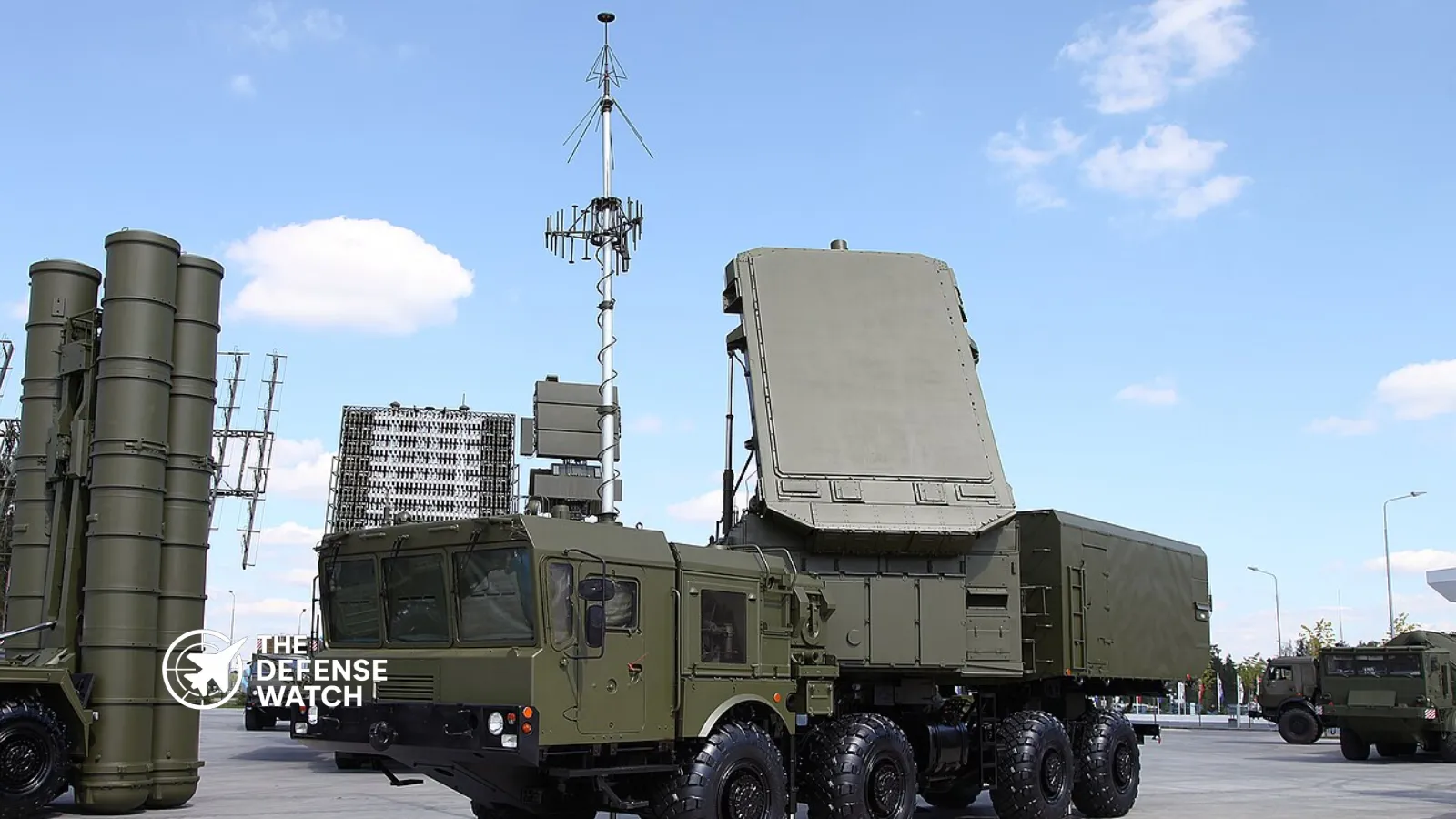
India has approved a 1.1 billion dollar S-400 missile procurement from Russia, authorizing the purchase of 288 interceptor missiles to replenish stocks depleted during the May 2025 conflict with Pakistan.
According to Indian defense sources, the acquisition includes 120 short range and 168 long range missiles for the Russian made S-400 Triumf air defense system. The procurement will move forward under India’s Fast Track Procurement Procedure, which is designed to accelerate urgent military acquisitions.
The decision marks one of the most significant replenishment efforts tied to India’s layered air defense network in recent years.
Breakdown Of The New S-400 Missile Package
The newly approved package focuses exclusively on interceptor missiles for systems already in service with the Indian Air Force.
The breakdown includes:
- 120 short range interceptors
- 168 long range interceptors
- Total of 288 missiles
- Estimated cost of 1.1 billion dollars
The S-400, developed by Russia’s Almaz-Antey, is designed to counter aircraft, cruise missiles, ballistic missiles, and certain stealth targets. It can engage multiple threats simultaneously at varying ranges depending on the missile variant deployed.
India operates the system as part of a broader air defense architecture that includes indigenous and imported platforms.
Background: India’s 5.43 Billion Dollar S-400 Deal With Russia
The latest India S-400 missile procurement builds on a 2018 contract signed between New Delhi and Moscow for five S-400 regiments worth approximately 5.43 billion dollars.
That agreement was concluded despite the risk of potential US sanctions under the Countering America’s Adversaries Through Sanctions Act, or CAATSA. India has argued that its national security requirements necessitate diversified defense sourcing.
Deliveries under the 2018 contract have been ongoing. Three systems are believed to have been delivered and deployed, while the remaining two are scheduled for completion by 2026.
The S-400 system itself, known in Russia as the S-400 Triumf, is among Moscow’s most advanced long range surface to air missile systems currently available for export.
Conflict Driven Replenishment
Indian officials have indicated that the rapid depletion of interceptor stocks during the four day conflict with Pakistan in May 2025 created an urgent operational requirement.
While detailed engagement data has not been publicly released, the fighting reportedly involved extensive use of drones, precision guided munitions, and missile systems on both sides.
The accelerated procurement under the Fast Track Procedure reflects the Indian government’s assessment that restoring missile inventories is critical to maintaining deterrence and operational readiness.
India’s Ministry of Defence has previously used the fast track mechanism during periods of heightened border tensions, particularly following clashes along the Line of Actual Control with China.
Strategic Importance Of The S-400 In India’s Air Defense Network
The India S-400 missile procurement underscores the system’s central role in the country’s multi layered air defense structure.
Each S-400 regiment can track dozens of targets and engage multiple threats simultaneously. Depending on the interceptor used, engagement ranges can extend from short range defensive coverage to distances exceeding 300 kilometers.
The system is widely regarded as a strategic asset for defending:
- Major urban centers
- Critical infrastructure
- Air bases
- Strategic command nodes
India has deployed S-400 units in areas considered strategically sensitive, though precise locations are not officially disclosed.
Regional Security Implications
The replenishment order comes amid continued volatility in South Asia.
Pakistan has invested heavily in its own air defense capabilities, including Chinese supplied systems such as the HQ-9. Meanwhile, India continues to pursue a mix of Russian, Israeli, and indigenous systems.
New Delhi is also advancing domestic programs such as the DRDO developed ballistic missile defense architecture and other surface to air missile initiatives.
The decision to replenish S-400 missile stocks signals that India intends to maintain high readiness levels for high intensity air and missile engagements.
India Russia Defense Ties Remain Active
Despite geopolitical shifts following Russia’s invasion of Ukraine in 2022, defense cooperation between India and Russia continues in key areas.
Russia remains a major supplier of:
- Fighter aircraft
- Air defense systems
- Submarines
- Missile technology
India, however, has simultaneously expanded procurement from the United States, France, and Israel in recent years as part of a broader diversification strategy.
The continued execution of the S-400 contract demonstrates that legacy agreements between Moscow and New Delhi remain operational.
Procurement Under Fast Track Procedure
India’s Fast Track Procurement Procedure is designed for urgent operational requirements. It reduces bureaucratic timelines and allows the armed forces to quickly acquire essential systems or munitions.
By placing the India S-400 missile procurement under this mechanism, the government has signaled that restoring interceptor inventories is considered an immediate priority.
Defense analysts note that modern air defense conflicts can consume significant numbers of interceptors in short periods, particularly when countering drone swarms and missile barrages.
What Comes Next
The remaining two S-400 systems under the 2018 agreement are expected to be delivered by 2026, completing the five regiment structure originally planned.
With the new missile order approved, attention will likely shift to:
- Delivery timelines for the 288 missiles
- Integration with existing S-400 batteries
- Stockpile sustainability planning
India is also expected to continue evaluating indigenous and joint development air defense programs to reduce long term reliance on foreign interceptors.
Get real time update about this post category directly on your device, subscribe now.


