India Approves 1.1 Billion Dollar S-400 Missile Procurement To Rebuild Air Defense Inventory
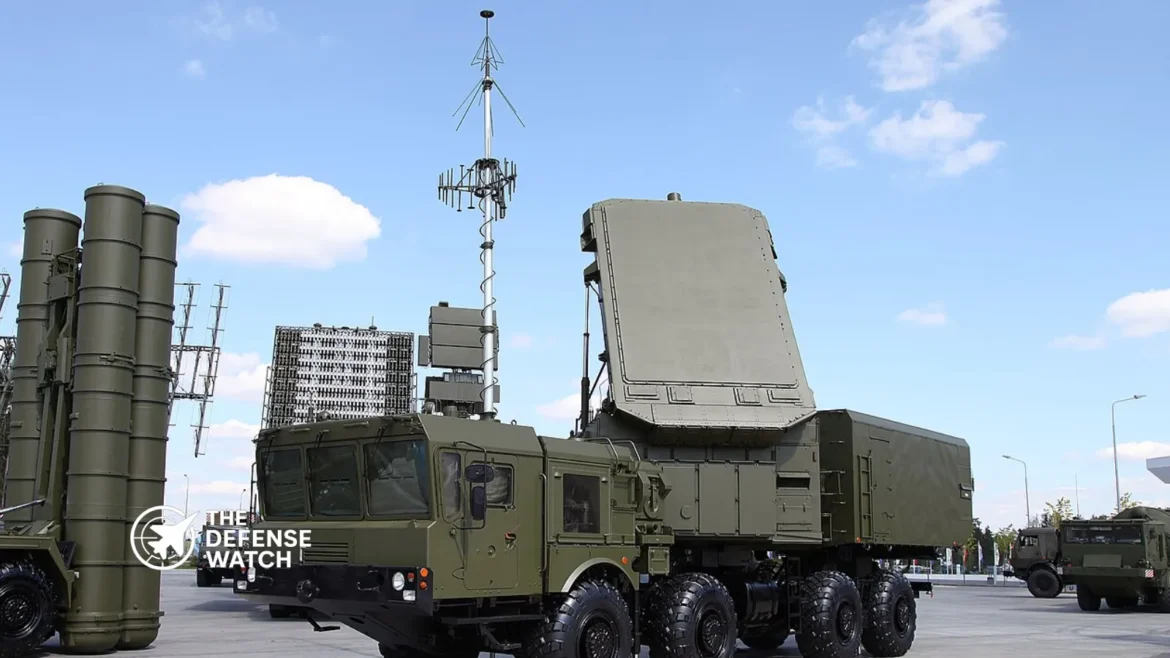
India has approved a 1.1 billion dollar S-400 missile procurement from Russia, authorizing the purchase of 288 interceptor missiles to replenish stocks depleted during the May 2025 conflict with Pakistan.
(adsbygoogle = window.adsbygoogle || []).push({});According to Indian defense sources, the acquisition includes 120 short range and 168 long range missiles for the Russian made S-400 Triumf air defense system. The procurement will move forward under India’s Fast Track Procurement Procedure, which is designed to accelerate urgent military acquisitions.
The decision marks one of the most significant replenishment efforts tied to India’s layered air defense network in recent years.
Breakdown Of The New S-400 Missile Package
The newly approved package focuses exclusively on interceptor missiles for systems already in service with the Indian Air Force.
The breakdown includes:
- 120 short range interceptors
- 168 long range interceptors
- Total of 288 missiles
- Estimated cost of 1.1 billion dollars
The S-400, developed by Russia’s Almaz-Antey, is designed to counter aircraft, cruise missiles, ballistic missiles, and certain stealth targets. It can engage multiple threats simultaneously at varying ranges depending on the missile variant deployed.
(adsbygoogle = window.adsbygoogle || []).push({});India operates the system as part of a broader air defense architecture that includes indigenous and imported platforms.
Background: India’s 5.43 Billion Dollar S-400 Deal With Russia
The latest India S-400 missile procurement builds on a 2018 contract signed between New Delhi and Moscow for five S-400 regiments worth approximately 5.43 billion dollars.
That agreement was concluded despite the risk of potential US sanctions under the Countering America’s Adversaries Through Sanctions Act, or CAATSA. India has argued that its national security requirements necessitate diversified defense sourcing.
Deliveries under the 2018 contract have been ongoing. Three systems are believed to have been delivered and deployed, while the remaining two are scheduled for completion by 2026.
The S-400 system itself, known in Russia as the S-400 Triumf, is among Moscow’s most advanced long range surface to air missile systems currently available for export.
(adsbygoogle = window.adsbygoogle || []).push({});Conflict Driven Replenishment
Indian officials have indicated that the rapid depletion of interceptor stocks during the four day conflict with Pakistan in May 2025 created an urgent operational requirement.
While detailed engagement data has not been publicly released, the fighting reportedly involved extensive use of drones, precision guided munitions, and missile systems on both sides.
The accelerated procurement under the Fast Track Procedure reflects the Indian government’s assessment that restoring missile inventories is critical to maintaining deterrence and operational readiness.
India’s Ministry of Defence has previously used the fast track mechanism during periods of heightened border tensions, particularly following clashes along the Line of Actual Control with China.
Strategic Importance Of The S-400 In India’s Air Defense Network
The India S-400 missile procurement underscores the system’s central role in the country’s multi layered air defense structure.
Each S-400 regiment can track dozens of targets and engage multiple threats simultaneously. Depending on the interceptor used, engagement ranges can extend from short range defensive coverage to distances exceeding 300 kilometers.
The system is widely regarded as a strategic asset for defending:
- Major urban centers
- Critical infrastructure
- Air bases
- Strategic command nodes
India has deployed S-400 units in areas considered strategically sensitive, though precise locations are not officially disclosed.
Regional Security Implications
The replenishment order comes amid continued volatility in South Asia.
Pakistan has invested heavily in its own air defense capabilities, including Chinese supplied systems such as the HQ-9. Meanwhile, India continues to pursue a mix of Russian, Israeli, and indigenous systems.
New Delhi is also advancing domestic programs such as the DRDO developed ballistic missile defense architecture and other surface to air missile initiatives.
The decision to replenish S-400 missile stocks signals that India intends to maintain high readiness levels for high intensity air and missile engagements.
India Russia Defense Ties Remain Active
Despite geopolitical shifts following Russia’s invasion of Ukraine in 2022, defense cooperation between India and Russia continues in key areas.
Russia remains a major supplier of:
- Fighter aircraft
- Air defense systems
- Submarines
- Missile technology
India, however, has simultaneously expanded procurement from the United States, France, and Israel in recent years as part of a broader diversification strategy.
The continued execution of the S-400 contract demonstrates that legacy agreements between Moscow and New Delhi remain operational.
(adsbygoogle = window.adsbygoogle || []).push({});Procurement Under Fast Track Procedure
India’s Fast Track Procurement Procedure is designed for urgent operational requirements. It reduces bureaucratic timelines and allows the armed forces to quickly acquire essential systems or munitions.
By placing the India S-400 missile procurement under this mechanism, the government has signaled that restoring interceptor inventories is considered an immediate priority.
Defense analysts note that modern air defense conflicts can consume significant numbers of interceptors in short periods, particularly when countering drone swarms and missile barrages.
What Comes Next
The remaining two S-400 systems under the 2018 agreement are expected to be delivered by 2026, completing the five regiment structure originally planned.
With the new missile order approved, attention will likely shift to:
- Delivery timelines for the 288 missiles
- Integration with existing S-400 batteries
- Stockpile sustainability planning
India is also expected to continue evaluating indigenous and joint development air defense programs to reduce long term reliance on foreign interceptors.

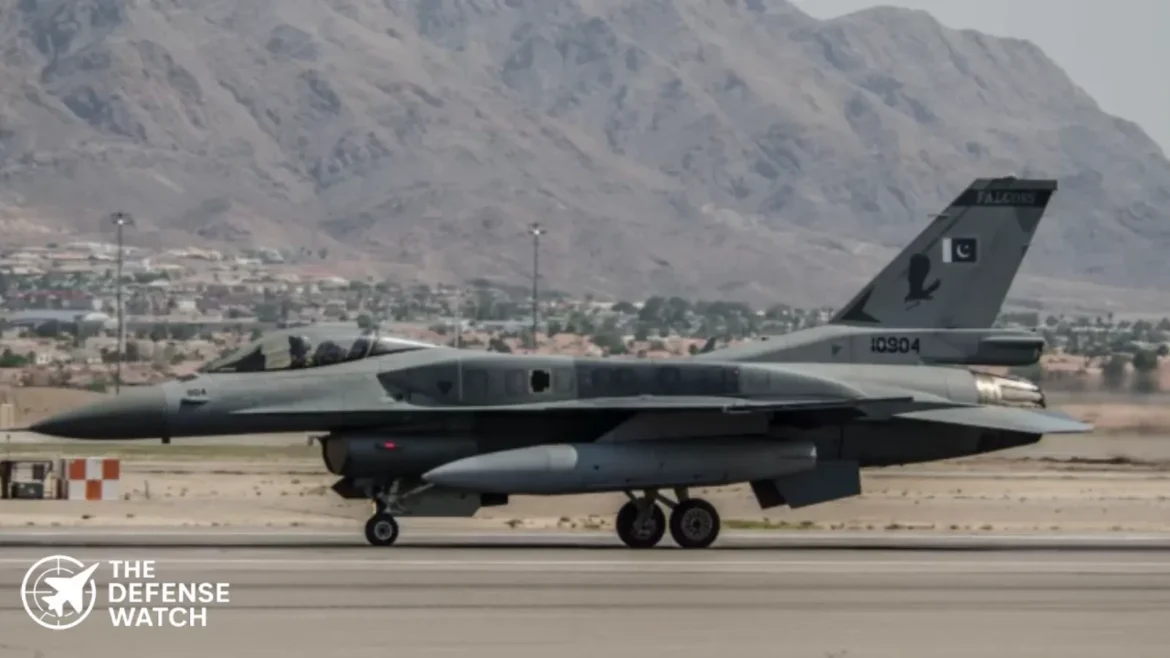
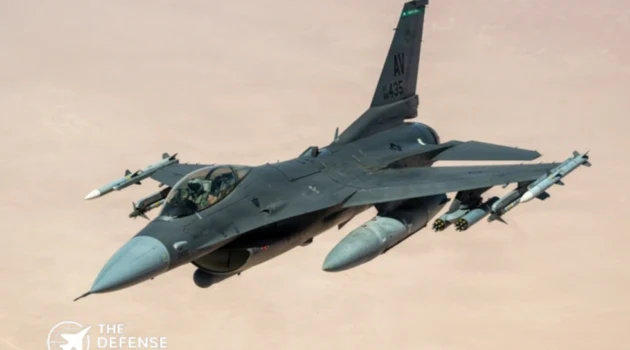
The United States has approved a $686 million package to upgrade and support the Pakistan Air Force’s fleet of F-16 fighter jets, according to a notification from the US Defense Security Cooperation Agency (DSCA) sent to Congress on December 8. The approval begins a 30-day review period under US export control law before the deal can be finalized.
The F-16 upgrade package covers advanced avionics updates, tactical data links, secure communications equipment, training, and comprehensive logistical support. Lockheed Martin in Fort Worth, Texas will serve as the principal contractor.
Context of the Sale
F-16s have been a core part of Pakistan’s air combat fleet since the early 2000s. The jets were initially supplied under earlier Foreign Military Sales programs that included aircraft and sustainment packages. Over the years Pakistan has sought further upgrades to extend the aircraft’s service life and maintain interoperability with allied forces.
The current sale reflects long-standing defense cooperation between Washington and Islamabad, though political and security concerns, especially regarding operations near South Asia’s eastern border with India, have delayed approval in past years.
Upgrade Details and Capabilities
The DSCA letter outlines the contents of the $686 million package. Of this, about $37 million is allocated to major defense equipment including 92 Link-16 tactical data link systems that allow secure, real-time information sharing with US and allied forces. Six inert Mk-82 500-pound bomb bodies for weapons integration testing are also included.
The remaining $649 million covers non-major equipment items such as advanced avionics updates, Identification Friend or Foe (IFF) gear, secure communication modules, mission planning systems, cryptographic devices, simulators, spare parts, software updates, publications, and full-motion training systems. Logistical and technical support services are part of the package.
According to the US notification, the upgrades will address safety concerns, modernize Block-52 and Mid-Life Upgrade F-16 jets, and extend their operational life through 2040. The sale is also intended to sustain interoperability between Pakistan and US forces during joint training, exercises, and potential contingency operations.
The DSCA added that no additional US government or contractor personnel will be stationed in Pakistan for implementation, and the sale will not affect US defense readiness.
Official Sources and Process
Under US foreign military sales procedures, the DSCA sends formal notifications to key lawmakers including the Speaker of the House and chairs of relevant congressional committees. Congress then has up to 30 days to review and potentially block the sale. If no action is taken, approval is deemed granted.
The notification letter stressed that the proposed sale “will support the foreign policy and national security objectives of the United States” by allowing Pakistan to maintain interoperability with US and partner forces in ongoing counterterrorism activities and future contingencies.
Policy and Regional Dynamics
The timing of the F-16 approval comes as South Asia remains sensitive. India closely monitors US military support to Pakistan, given historical rivalry and recent tensions. In past defense cooperation cases, New Delhi has raised concerns about how US-supplied equipment might be used.
US officials, in their notification, sought to address such concerns by noting that the sale would not “alter the basic military balance in the region.” The interoperability focus and life extension aspects are framed as sustainment rather than new offensive capabilities.
Pakistan has previously requested F-16 upgrades and other support dating back several years, but approvals were delayed amid bilateral and regional considerations.
What’s Next
The congressional review period is currently underway. Lawmakers may examine the sale in the context of US export control policy and broader regional security objectives.
If the sale moves forward, the upgrades will help Pakistan sustain its F-16 fleet alongside other aircraft types in service, including Chinese-built fighters that Islamabad has also acquired in recent years.
From a strategic standpoint, the package ensures continuing US engagement in Pakistan’s defense sector while balancing relations with other regional partners.
Pakistan Conducts Training Launch of Fatah-4 Cruise Missile
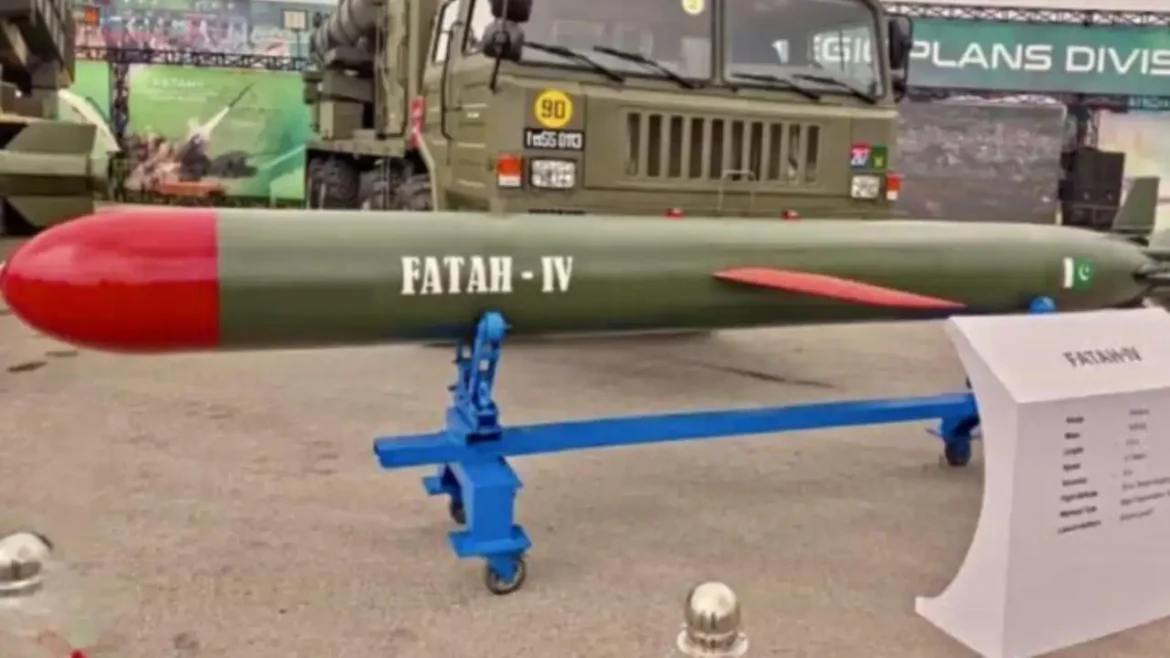
The Pakistan Army has successfully conducted a training launch of its newly inducted Fatah-4 ground-launched cruise missile, which boasts a range of 750 kilometers, according to a statement by the Inter-Services Public Relations (ISPR) .
Equipped with advanced avionics, precision guidance systems, and terrain-hugging flight capability, the missile is designed to evade modern missile defense networks. The launch, witnessed by senior military officials, scientists, and engineers, underscores Pakistan’s continued push to expand its long-range conventional strike capabilities.
A Boost for Pakistan’s Army Rocket Force Command
The Fatah-4 falls under the Army Rocket Force Command, a newly established branch created to enhance the country’s missile arsenal and conventional deterrence posture against India. The ISPR emphasized that the missile will “enhance the reach, lethality and survivability” of Pakistan’s existing arsenal .
President Asif Ali Zardari hailed the test as “a milestone in Pakistan’s defense system,” stressing that the missile’s indigenous development reflects scientific self-reliance. He added that the nation’s defense “will remain impregnable.”
This test follows earlier launches in May of shorter-range Fatah series missiles, part of a step-by-step development program that is gradually expanding Pakistan’s strike envelope .
Strategic Context: Pakistan vs. India
The Fatah-4’s introduction comes amid heightened regional competition with India, which continues to modernize its own cruise and ballistic missile programs. India fields the Nirbhay subsonic cruise missile and has been jointly developing the BrahMos missile system with Russia, which offers significantly higher speeds and precision.
Pakistan’s pursuit of advanced cruise missile technology is designed to provide a counterbalance to India’s expanding strike capabilities. Unlike short-range systems used in battlefield scenarios, the 750km reach of the Fatah-4 allows Pakistan to target strategic sites deep inside Indian territory while staying within its borders.
Analysis: Implications for U.S. Defense and Global Security
For Washington, the Fatah-4 launch underscores several key trends:
- Proliferation of Precision Strike Systems – Pakistan’s ability to field terrain-hugging, defense-evading cruise missiles highlights the diffusion of technologies once restricted to major powers. This development complicates regional missile defense architectures, particularly U.S.-aligned systems in India and the broader Indo-Pacific.
- Conventional vs. Nuclear Deterrence – While not explicitly nuclear-capable in its public description, cruise missiles like the Fatah-4 are inherently dual-use systems. This ambiguity creates challenges for U.S. and allied early-warning systems, which cannot always distinguish between conventional and nuclear payloads.
- Regional Arms Race Dynamics – The Fatah-4 is part of a broader South Asian missile race. India’s ballistic missile defense investments and hypersonic research are prompting Pakistan to refine asymmetric tools. For U.S. defense planners, this suggests South Asia remains a potential flashpoint where escalation risks could undermine Indo-Pacific stability.
- Technology Transfer and Indigenous Growth – Pakistan’s emphasis on indigenous development indicates a gradual reduction of dependency on external suppliers such as China. This mirrors trends seen in Iran and North Korea, raising questions about missile non-proliferation regimes and the U.S. ability to enforce technology controls.
Conclusion: A Step Toward Greater Regional Tensions
The successful launch of the Fatah-4 cruise missile marks a significant step in Pakistan’s evolving missile strategy, giving the Army Rocket Force Command a credible long-range strike option. For U.S. defense and intelligence communities, the test highlights the persistent strategic competition in South Asia and the risks posed by advanced, dual-capable missile systems.
As Pakistan and India expand their arsenals, the U.S. may be forced to reassess its security partnerships in the region, particularly with India, while factoring Pakistan’s growing conventional strike capabilities into its Indo-Pacific defense calculus.