
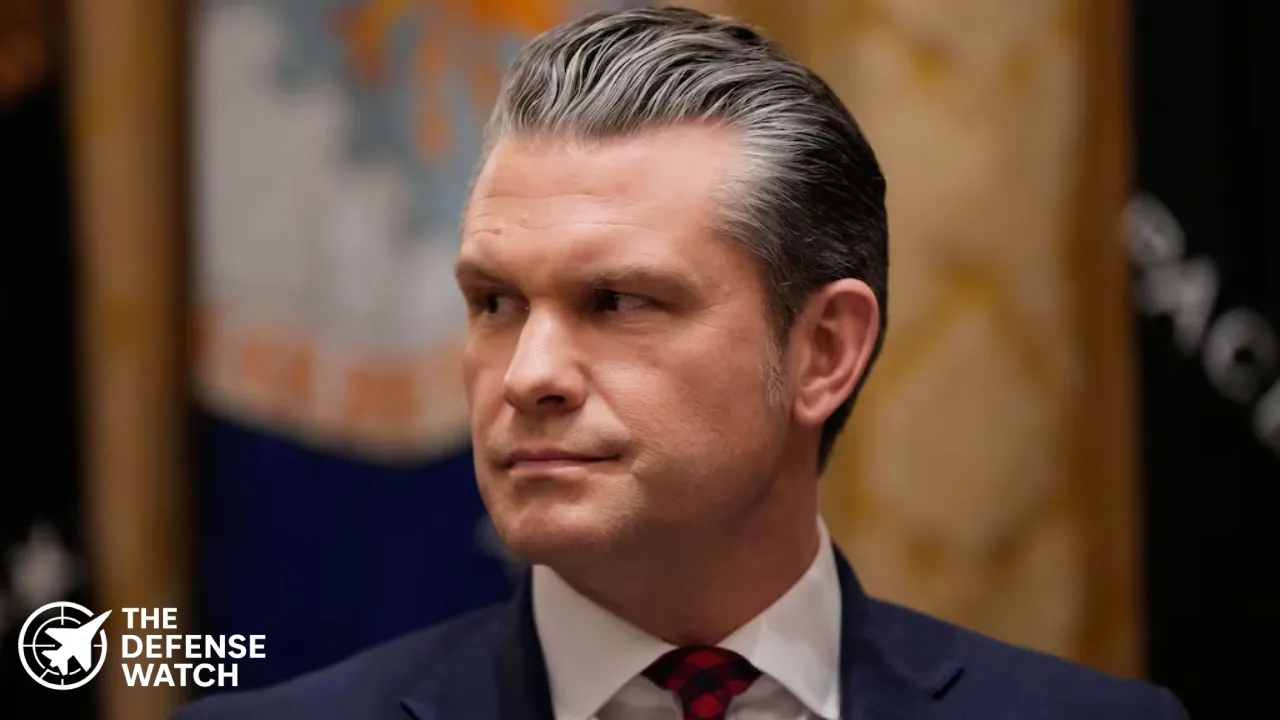
Hegseth’s forceful defense of boat strikes
At the Pete Hegseth’s keynote address during the Reagan National Defense Forum on December 6, 2025, he staunchly defended recent U.S. military strikes against alleged drug-cartel vessels in the Caribbean and Pacific. He reiterated that Donald Trump — as president — has broad authority to “take decisive military action as he sees fit to defend our nation’s interests.” The strikes, which have killed at least 87 individuals, remain under intense scrutiny for potential violations of international and humanitarian law.
“If you’re working for a designated terrorist organization and you bring drugs to this country in a boat, we will find you and we will sink you,” Hegseth declared. “Let there be no doubt about it.”
Background: The campaign against suspected narco-trafficking vessels
Since September 2025, U.S. forces have launched a series of maritime strikes targeting vessels allegedly linked to narcotics trafficking. In total, at least 23 boats have been struck, resulting in dozens of deaths.
The administration argues that some of these vessels are operated by designated terrorist groups — including illicit cartels — thereby framing the operations within the context of counterterrorism rather than traditional law enforcement.
But critics counter that using lethal force against unarmed maritime trafficking suspects blurs the line between drug enforcement and warfare — circumventing due process and raising serious international law concerns.
Details of Hegseth’s Remarks and Official Rationale
Hegseth’s Justification: Terror analogy and homeland defense
- Hegseth explicitly likened cartel-linked traffickers to Islamist terrorist militants such as those behind the 9/11 attacks. “This is a war,” he said, arguing that the U.S. must treat cartel networks as existential threats to national security.
- During the forum, he underscored that President Trump retains the prerogative to deploy military force — even preemptively — when confronting threats tied to drug smuggling.
- According to multiple sources, the campaign so far has resulted in at least 87 fatalities.
“Double-tap” strike under scrutiny
One particularly controversial incident occurred on September 2, when a suspected drug-smuggling boat was struck, reportedly killing 11 people. US surveillance later identified two survivors clinging to the wreckage, after which a follow-up strike — allegedly carried out by special operations forces — reportedly killed them.
According to unconfirmed reports, an attacking commander claimed the second strike followed a verbal directive from Hegseth to “leave no survivors.” While Hegseth denies issuing any such order directly, he stated during the forum that he “would have made the same call.”
Wider agenda: Security strategy and future posture
Hegseth’s remarks at the forum came alongside a reiteration of the administration’s broader strategic posture: a hard-line approach to emerging threats, a renewed emphasis on U.S. military strength, and a willingness to re-prioritize defense missions over humanitarian or climate-linked initiatives.
He criticized past U.S. engagement in prolonged Middle East warfare, democracy-building efforts, and climate-informed defense planning — arguing that such distractions would no longer be tolerated under the current leadership.
Legal, Policy, and Strategic Implications
Legality under international law
The use of lethal force against suspected drug traffickers at sea — especially when survivors are reportedly targeted — raises serious questions under the laws of armed conflict and international humanitarian law. The alleged “double-tap” strikes (i.e., engaging shipwrecked individuals or survivors) may violate longstanding prohibitions against targeting incapacitated persons. Legal analysts warn that such precedent undermines established norms separating law enforcement and wartime operations.
Moreover, the justification that the vessels were run by “terrorist organizations” remains contested: unlike declared belligerents, most cartels operate in criminal — not political — contexts, challenging the premise that their maritime trafficking constitutes an armed conflict. Experts argue this conflation risks eroding legal clarity and undermining human rights protections.
Strategic escalation and geopolitical risk
By framing drug trafficking as a national security threat requiring military force, the U.S. is expanding the role of its armed forces in anti-narcotics campaigns — potentially setting a precedent for similar operations in other contested regions. This could increase friction with regional actors, including Latin American states whose waters could be patrolled or surveilled.
In addition, the strong rhetoric and aggressive posture endorsed by Hegseth may embolden U.S. forces to pursue increasingly kinetic operations beyond traditional conflict zones — blurring the line between counterterrorism, narcotics control, and irregular warfare.
Domestic political fallout and oversight demands
The growing controversy over the strikes — particularly the questionable “double-tap” incidents — has already triggered calls among some lawmakers for investigations, transparency, and potential resignations. If unredacted video or after-action reports are released, they may influence congressional hearings and could shape future legislation limiting the military’s role in drug interdiction.
What Comes Next: What to Watch
- Whether the Pentagon will release unedited footage of the controversial strikes, particularly the September “double-tap” incident. Such transparency could shape legal and congressional responses.
- How lawmakers — especially in the House and Senate — respond in hearings, including calls for more robust oversight, clearer rules of engagement, or limits on strike authority in non-wartime settings.
- Reaction from U.S. allies and regional partners in Latin America: increased military operations in international waters may provoke diplomatic pushback or compel partner nations to recalibrate maritime security cooperation.
Get real time update about this post category directly on your device, subscribe now.

1 comment
[…] 2026 and implements President Trump’s White House AI Action Plan mandate. Secretary of War Pete Hegseth announced the acceleration strategy on January 9, 2026, directing the department to become an […]