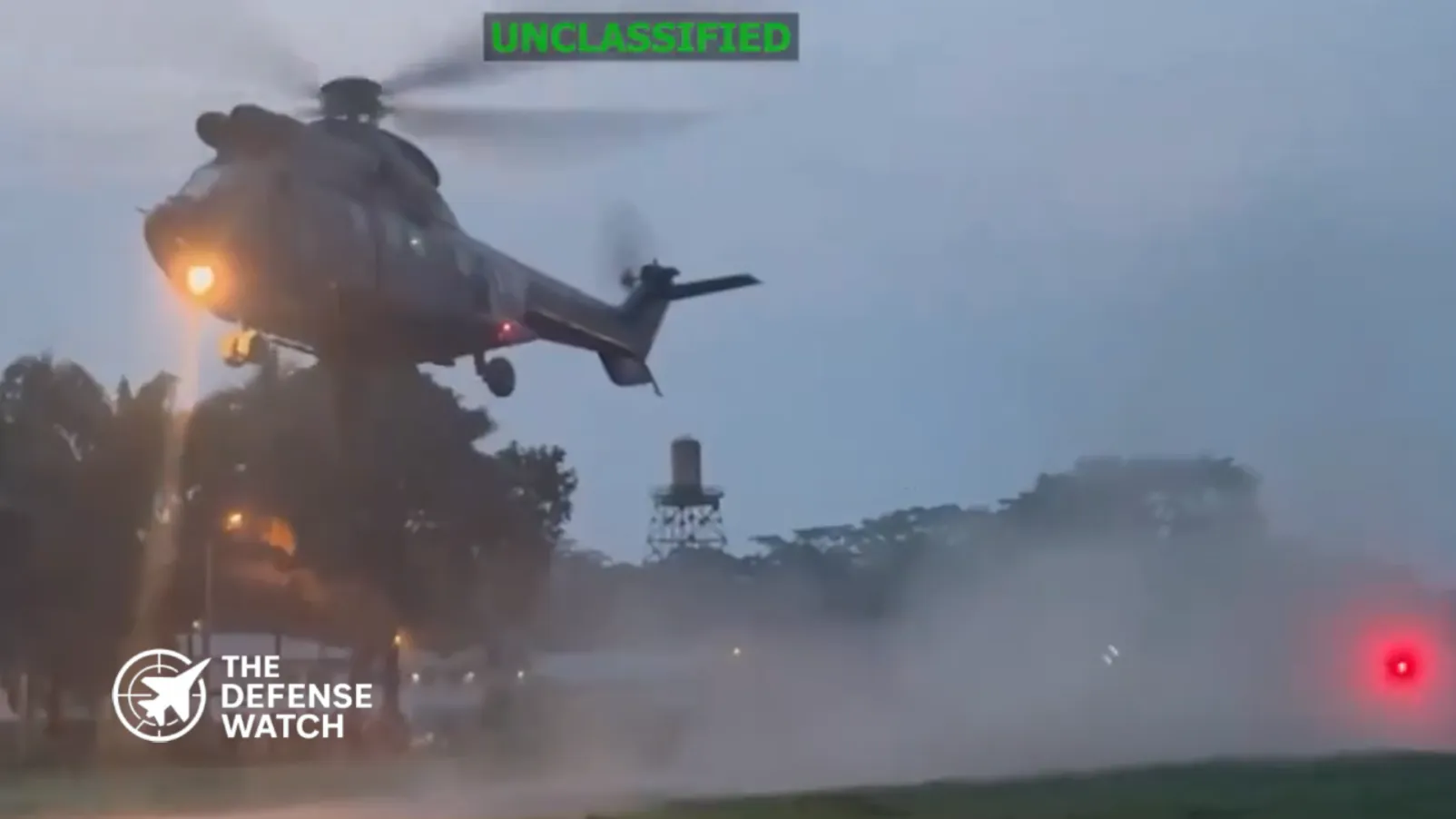
- ► On March 3, Ecuadorian and U.S. military forces launched joint operations against Designated Terrorist Organizations in Ecuador.
- ► The operations were confirmed by U.S. Southern Command.
- ► Activities target narco-terrorist networks accused of violence, corruption, and destabilization.
- ► SOUTHCOM Commander Gen. Francis L. Donovan praised Ecuadorian armed forces for sustained counter-terror actions.
- ► The effort reflects expanding U.S. and Latin American cooperation against organized crime and narco-terrorism.
Ecuadorian And U.S. Military Forces Launch Operations Against Narco-Terrorists
Ecuadorian and U.S. military forces launched operations against narco-terrorists in Ecuador on March 3, marking a new phase of coordinated security action in the region. The joint effort, confirmed by U.S. Southern Command, targets Designated Terrorist Organizations linked to drug trafficking and violent criminal networks.
According to official statements, the operations underscore a shared commitment between Quito and Washington to confront organized armed groups accused of destabilizing Ecuador and fueling broader regional insecurity.
Marine Gen. Francis L. Donovan, commander of U.S. Southern Command, commended Ecuadorian forces for their continued engagement against narco-terrorist elements. He said the Ecuadorian armed forces have demonstrated resolve through sustained actions against violent groups operating within the country.
Operational Context
Ecuador has faced escalating violence in recent years, driven largely by transnational criminal organizations competing for control of drug trafficking corridors. The country’s Pacific ports have become strategic transit points for narcotics shipments bound for North America and Europe, according to reporting from the United Nations Office on Drugs and Crime and regional security assessments.
The launch of operations against narco-terrorists follows Ecuador’s internal security measures, including emergency decrees and expanded military roles in domestic counter-crime efforts. By formally designating certain groups as terrorist organizations, Ecuador has broadened the legal and operational framework available to its security forces.
The participation of Ecuadorian and U.S. military forces signals an increased level of bilateral defense cooperation. U.S. Southern Command has long maintained security partnerships across Latin America, focusing on counter-narcotics, intelligence sharing, maritime surveillance, and capacity building.
Strategic Implications For The Region
The operations against narco-terrorists reflect a broader shift in how governments are framing organized crime threats. Rather than treating drug cartels strictly as criminal enterprises, some states are applying counter-terrorism authorities, particularly when groups employ tactics such as targeted assassinations, prison uprisings, bombings, and intimidation campaigns.
For the United States, stability in Ecuador carries strategic importance. Ecuador sits along key maritime routes in the Eastern Pacific, an area regularly monitored by U.S. forces for illicit trafficking. Disruption of narcotics flows and associated criminal financing aligns with longstanding U.S. counter-narcotics objectives.
At the same time, joint military involvement in internal security operations can raise legal and political considerations. Analysts note that sustained success will depend not only on tactical operations but also on institutional reforms, judicial capacity, and anti-corruption efforts.
U.S. Southern Command’s Role
Headquartered in Doral, Florida, U.S. Southern Command oversees U.S. military activities across Central and South America and the Caribbean. Its mission includes countering transnational criminal organizations, strengthening partner nation capabilities, and supporting humanitarian and disaster response operations.
The statement regarding Ecuadorian and U.S. military forces emphasizes partnership rather than unilateral action. That distinction is central to U.S. policy in the region, where sovereignty concerns remain sensitive.
Gen. Donovan’s remarks highlighted the courage and determination of Ecuadorian personnel engaged in the fight. Public messaging from SOUTHCOM framed the operation as a joint effort responding to Ecuador’s request and conducted in coordination with national authorities.
Broader Security Outlook
Whether the operations against narco-terrorists will significantly degrade criminal networks remains to be seen. Experience across Latin America shows that tactical gains can be temporary if not paired with sustained governance and economic measures.
However, the visible alignment between Ecuadorian and U.S. military forces sends a clear deterrent signal to organized armed groups. It also reinforces the narrative that narco-terrorism poses a hemispheric security challenge rather than a purely domestic issue.
For defense observers, the development underscores a continuing evolution in regional military missions. Counter-narcotics operations increasingly overlap with counter-terror frameworks, intelligence integration, and maritime domain awareness.
As operations continue, further details regarding force composition, duration, and operational outcomes are expected from official channels.
Get real time update about this post category directly on your device, subscribe now.