Executive Summary: Embraer is seeking to expand sales of its C-390 Millennium military transport aircraft in Latin America, with Colombia and Chile identified as key potential buyers. The move reflects growing regional demand for modern tactical airlift capabilities. The strategy highlights intensifying competition in the medium military transport market.
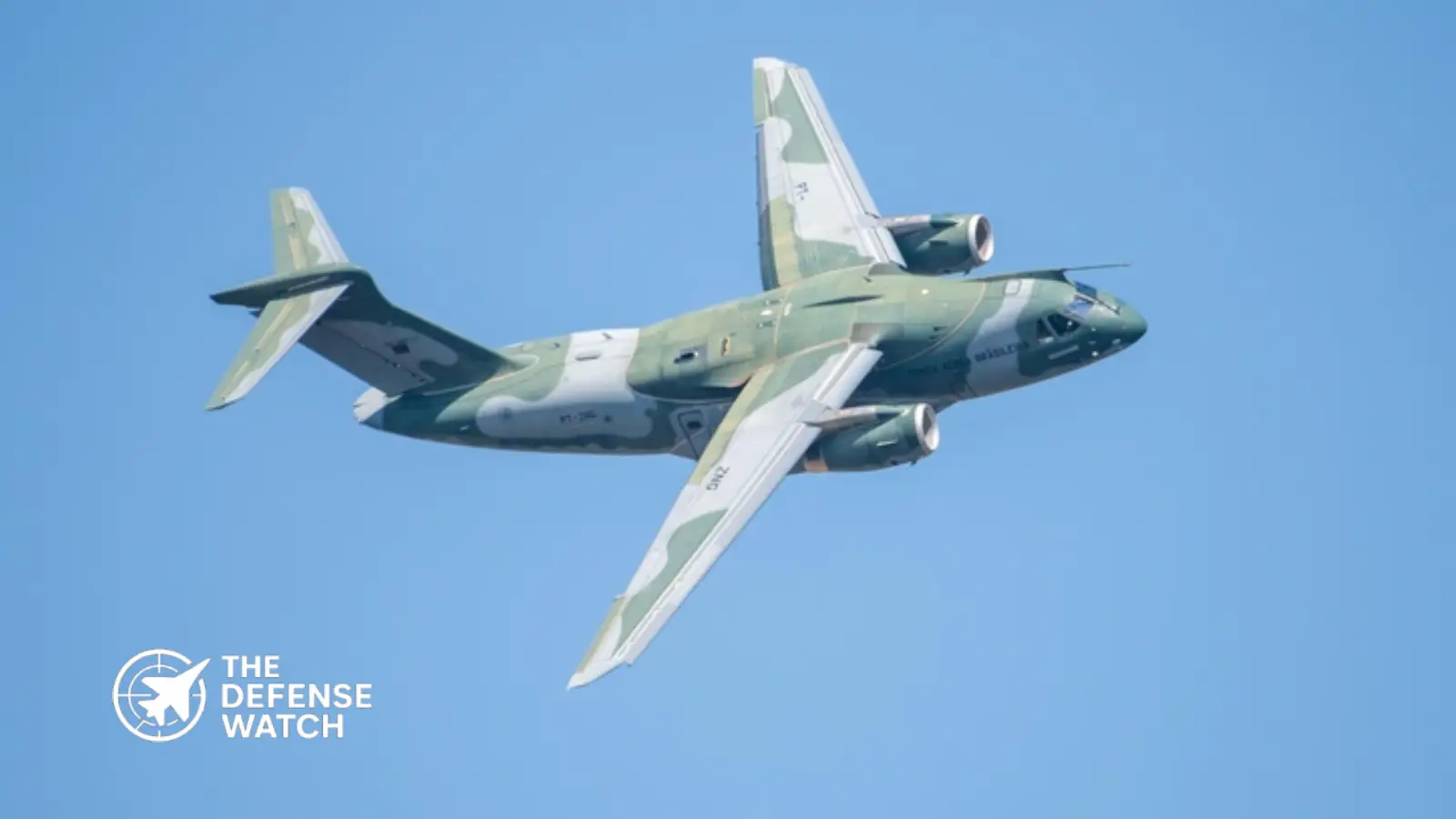
Embraer C-390 military aircraft is at the center of a renewed push by Embraer to expand its defense footprint in Latin America, with Colombia and Chile emerging as priority markets.
The company is positioning the C-390 Millennium as a next generation alternative in the tactical airlift segment, aiming to meet growing regional requirements for mobility, logistics support, and multi mission operations.
Latin America Becomes Key Growth Market For C-390 Military Aircraft
Embraer is actively pursuing new export opportunities for the Embraer C-390 military aircraft as several Latin American air forces assess modernization plans for aging transport fleets.
The C-390 Millennium is designed to perform a wide range of missions including troop transport, cargo delivery, medical evacuation, and aerial refueling. It is increasingly being marketed as a versatile replacement for legacy platforms such as older C-130 variants used across the region.
The companys strategy reflects a broader shift in defense procurement trends in Latin America, where countries are balancing limited budgets with the need for multi role capability aircraft.
Colombia And Chile Emerge As Strategic Targets
Colombia has been evaluating options to modernize its military transport fleet as it continues to operate aging aircraft that require higher maintenance and reduced operational availability. The Embraer C-390 military aircraft is seen as a candidate capable of improving readiness and reducing lifecycle costs.
Chile is also assessing long term replacement options for its air mobility fleet. The C-390 offers interoperability with NATO standards, which is increasingly relevant as Chile expands cooperation with Western defense partners.
Both nations represent strategically important customers for Embraer as it seeks to expand beyond its existing operators in Europe and Asia.
Competitive Positioning In Global Tactical Airlift Market
The Embraer C-390 military aircraft competes in a segment traditionally dominated by established Western platforms. However, Embraer has positioned the aircraft as a more modern and cost efficient solution with higher cruise speed and payload flexibility compared to legacy designs.
Unlike older turboprop based transports, the C-390 uses a twin engine jet configuration that allows faster deployment over long distances. This performance profile is particularly relevant for countries with large geographic territories or dispersed operational theaters.
The aircraft is also designed for interoperability in multinational operations, a factor that is becoming increasingly important in joint military exercises and coalition logistics planning.
Regional Defense Modernization Drives Demand
Across Latin America, defense forces are gradually increasing investment in mobility and logistics capabilities. This trend is driven by disaster response needs, border security requirements, and participation in multinational peacekeeping missions.
The Embraer C-390 military aircraft aligns with these priorities due to its multi mission flexibility and ability to operate from semi prepared airfields.
For Embraer, expanding sales in the region strengthens its position as a global competitor in the medium airlift category, where demand is expected to grow steadily over the next decade.
Industrial And Strategic Implications
Embraers push for additional C-390 sales in Colombia and Chile also carries industrial implications. Increased regional adoption could support long term maintenance, training, and logistics networks across South America.
This would reinforce Brazil’s role as a regional aerospace hub and reduce dependency on external suppliers for strategic airlift capabilities.
From a geopolitical perspective, greater adoption of the Embraer C-390 military aircraft may also reflect a gradual diversification of defense procurement sources in Latin America.
Market Outlook For C-390 Millennium
The C-390 Millennium continues to build its export profile, with Embraer focusing on expanding its customer base beyond initial operators. Future sales in Colombia and Chile would further validate the aircrafts positioning in the global market.
While competition remains strong, Embraer is emphasizing operational performance, lower lifecycle costs, and mission flexibility as key differentiators.
Peru F-16 Block 70 Purchase Signals Major Airpower Shift
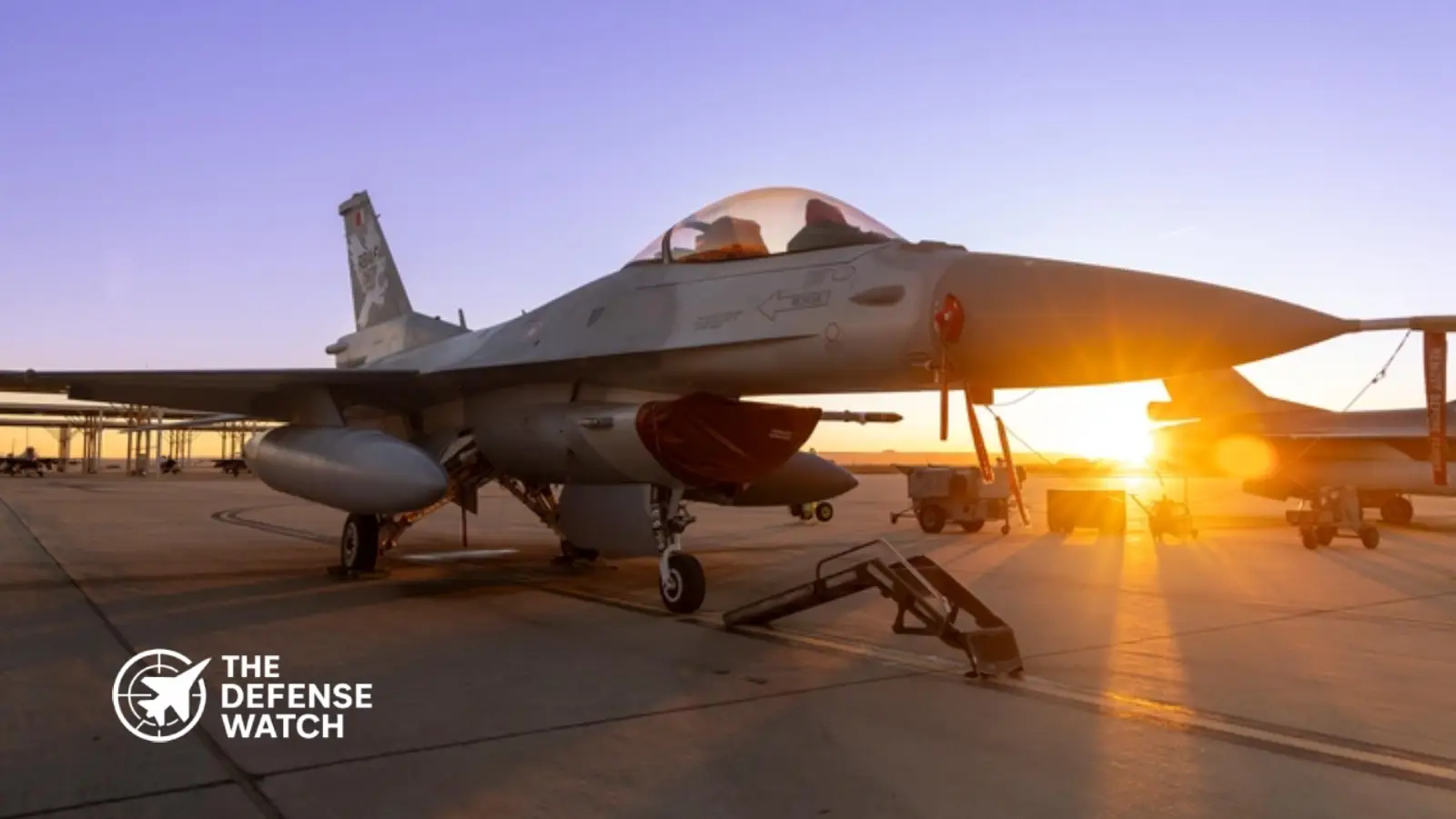
Peru F-16 Block 70 acquisition plans could significantly upgrade the country’s air combat capability as Lima explores the purchase of 12 advanced fighter aircraft from Lockheed Martin. The reported proposal would replace aging legacy fleets and give the Peruvian Air Force a modern multirole platform with stronger deterrence value.
- Peru is considering the purchase of 12 F-16 Block 70 multirole fighter aircraft.
- The Block 70 variant includes AESA radar, modern avionics, and extended service life.
- The deal would mark one of Latin America’s most important fighter recapitalization efforts.
- Peru seeks to replace aging Soviet and French-origin combat aircraft fleets.
- A final decision would shape Peru’s airpower posture for decades.
The potential deal reflects a broader trend across Latin America, where several nations are reassessing airpower readiness amid aging fleets, sustainment challenges, and rising operational demands.
The Big Picture
Latin American air forces have long faced delayed modernization due to budget pressure, political turnover, and maintenance costs. Many fleets now rely on aircraft introduced decades ago. That creates readiness gaps in air sovereignty, border patrol, maritime surveillance support, and crisis response.
For Peru, combat aviation remains strategically important. The country has a large territory, Pacific coastline, mountainous geography, and remote regions that require rapid-response air assets. A modern fighter fleet supports both national defense and peacetime security missions.
The proposed Peru F-16 Block 70 move would align Lima with a growing list of nations selecting Western fourth-generation-plus aircraft with lower risk than more expensive fifth-generation options.
What’s Happening
According to reporting cited by Defence Industry Europe, Lockheed Martin outlined Peru’s planned purchase of 12 F-16 Block 70 fighters. No final contract value or delivery schedule has been publicly confirmed.
Peru currently operates mixed legacy fleets including Russian-origin MiG-29 fighters and French Mirage 2000 aircraft. Both types have modernization potential, but long-term sustainment becomes increasingly expensive as fleets age and supply chains tighten.
The F-16 Block 70 package typically includes:
- AN/APG-83 AESA radar
- Advanced mission computer
- Modern cockpit displays
- Precision strike integration
- Improved electronic warfare systems
- Structural life extension up to 12,000 flight hours
Why It Matters
The F-16 remains one of the world’s most widely supported fighter platforms. That matters because aircraft capability alone does not determine readiness. Training pipelines, spare parts access, software upgrades, and weapons integration often decide long-term value.
For Peru, the Peru F-16 Block 70 option could reduce logistical complexity by moving toward a scalable, globally supported platform.
It would also improve interoperability with regional and international partners that already operate the F-16.
Strategic Implications
A successful acquisition would strengthen Peru’s deterrence posture without dramatically altering the regional balance of power. Instead, it would likely be viewed as a normalization step after years of deferred recapitalization.
Modern fighters provide better reaction times, improved sensor range, and stronger survivability. They also allow more effective maritime monitoring over Pacific approaches and faster response to unauthorized air activity.
Competitor View
Regional militaries will likely watch the program through a readiness lens rather than an arms-race lens. Countries operating legacy fleets may see Peru’s move as evidence that sustainment pressure is forcing overdue replacement decisions.
Russia could also view the shift as another example of long-term erosion in legacy Soviet equipment influence within export markets historically open to mixed sourcing.
What To Watch Next
Key indicators now include:
- Government funding approval
- Foreign Military Sales pathway details
- Weapons package selection
- Pilot training arrangements
- Infrastructure upgrades
- Delivery timeline and industrial participation
Capability Gap
Peru needs to close the gap between aging aircraft availability and modern mission demands. Older fleets can remain lethal, but readiness often falls when maintenance hours rise and spare parts become scarce.
The F-16 does not eliminate all challenges. New aircraft require pilot conversion, base upgrades, sustainment funding, and long-term procurement discipline.
The Bottom Line
Peru’s planned F-16 Block 70 purchase would be less about prestige and more about restoring credible, sustainable air combat readiness for the next generation.
- ► On March 3, Ecuadorian and U.S. military forces launched joint operations against Designated Terrorist Organizations in Ecuador.
- ► The operations were confirmed by U.S. Southern Command.
- ► Activities target narco-terrorist networks accused of violence, corruption, and destabilization.
- ► SOUTHCOM Commander Gen. Francis L. Donovan praised Ecuadorian armed forces for sustained counter-terror actions.
- ► The effort reflects expanding U.S. and Latin American cooperation against organized crime and narco-terrorism.
Ecuadorian And U.S. Military Forces Launch Operations Against Narco-Terrorists
Ecuadorian and U.S. military forces launched operations against narco-terrorists in Ecuador on March 3, marking a new phase of coordinated security action in the region. The joint effort, confirmed by U.S. Southern Command, targets Designated Terrorist Organizations linked to drug trafficking and violent criminal networks.
According to official statements, the operations underscore a shared commitment between Quito and Washington to confront organized armed groups accused of destabilizing Ecuador and fueling broader regional insecurity.
Marine Gen. Francis L. Donovan, commander of U.S. Southern Command, commended Ecuadorian forces for their continued engagement against narco-terrorist elements. He said the Ecuadorian armed forces have demonstrated resolve through sustained actions against violent groups operating within the country.
Operational Context
Ecuador has faced escalating violence in recent years, driven largely by transnational criminal organizations competing for control of drug trafficking corridors. The country’s Pacific ports have become strategic transit points for narcotics shipments bound for North America and Europe, according to reporting from the United Nations Office on Drugs and Crime and regional security assessments.
The launch of operations against narco-terrorists follows Ecuador’s internal security measures, including emergency decrees and expanded military roles in domestic counter-crime efforts. By formally designating certain groups as terrorist organizations, Ecuador has broadened the legal and operational framework available to its security forces.
The participation of Ecuadorian and U.S. military forces signals an increased level of bilateral defense cooperation. U.S. Southern Command has long maintained security partnerships across Latin America, focusing on counter-narcotics, intelligence sharing, maritime surveillance, and capacity building.
Strategic Implications For The Region
The operations against narco-terrorists reflect a broader shift in how governments are framing organized crime threats. Rather than treating drug cartels strictly as criminal enterprises, some states are applying counter-terrorism authorities, particularly when groups employ tactics such as targeted assassinations, prison uprisings, bombings, and intimidation campaigns.
For the United States, stability in Ecuador carries strategic importance. Ecuador sits along key maritime routes in the Eastern Pacific, an area regularly monitored by U.S. forces for illicit trafficking. Disruption of narcotics flows and associated criminal financing aligns with longstanding U.S. counter-narcotics objectives.
At the same time, joint military involvement in internal security operations can raise legal and political considerations. Analysts note that sustained success will depend not only on tactical operations but also on institutional reforms, judicial capacity, and anti-corruption efforts.
U.S. Southern Command’s Role
Headquartered in Doral, Florida, U.S. Southern Command oversees U.S. military activities across Central and South America and the Caribbean. Its mission includes countering transnational criminal organizations, strengthening partner nation capabilities, and supporting humanitarian and disaster response operations.
The statement regarding Ecuadorian and U.S. military forces emphasizes partnership rather than unilateral action. That distinction is central to U.S. policy in the region, where sovereignty concerns remain sensitive.
Gen. Donovan’s remarks highlighted the courage and determination of Ecuadorian personnel engaged in the fight. Public messaging from SOUTHCOM framed the operation as a joint effort responding to Ecuador’s request and conducted in coordination with national authorities.
Broader Security Outlook
Whether the operations against narco-terrorists will significantly degrade criminal networks remains to be seen. Experience across Latin America shows that tactical gains can be temporary if not paired with sustained governance and economic measures.
However, the visible alignment between Ecuadorian and U.S. military forces sends a clear deterrent signal to organized armed groups. It also reinforces the narrative that narco-terrorism poses a hemispheric security challenge rather than a purely domestic issue.
For defense observers, the development underscores a continuing evolution in regional military missions. Counter-narcotics operations increasingly overlap with counter-terror frameworks, intelligence integration, and maritime domain awareness.
As operations continue, further details regarding force composition, duration, and operational outcomes are expected from official channels.
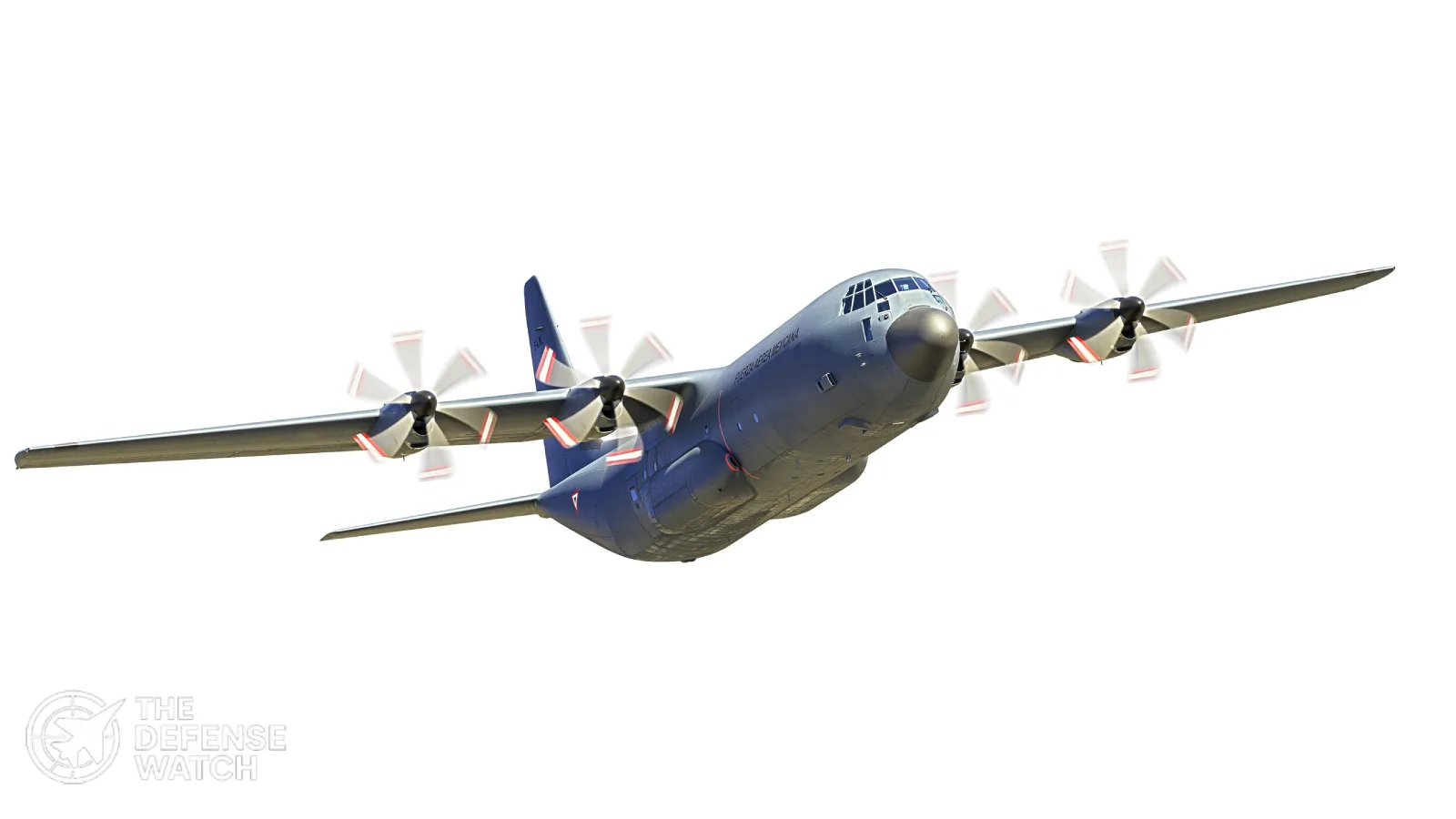
Mexico has become the first country in Latin America to operate the Lockheed Martin C‑130J Super Hercules tactical airlifter after the Fuerza Aérea Mexicana (FAM) formally accepted its first C‑130J‑30 variant aircraft. The move marks a major modernization step for the Mexican transport fleet and aligns the nation with 24 other operators worldwide.
Modernizing Mexico’s Transport Fleet
The C‑130J‑30 Super Hercules is the most advanced version of Lockheed Martin’s long‑serving tactical transport. With a fuselage stretched by about 15 feet, the C‑130J‑30 offers greater cargo volume and payload flexibility compared with earlier models, while retaining the core propulsion and avionics suite of the baseline C‑130J.
FAM crews will use the aircraft for a range of missions that include logistics, disaster response, humanitarian assistance and other tactical airlift requirements. The decision to field the C‑130J‑30 builds on Mexico’s long history operating legacy Hercules aircraft and leverages established training, maintenance and support systems.
Regional Significance
By acquiring the C‑130J Super Hercules, Mexico becomes the first Latin American nation to adopt this advanced tactical transport. The aircraft joins a global fleet of more than 560 C‑130J and C‑130J‑30 airlifters operated by more than 20 countries, underscoring broad international confidence in the platform.
The FAM’s decision also reflects continuity in capability. Rather than shift to newer designs from competitors, Mexican officials opted to modernize within the established Hercules family. This preserves interoperability with allied air forces and takes advantage of existing infrastructure.
Operational Impact
The C‑130J‑30’s increased cargo bay capacity enables the transport of more standard pallets, troops or medical litters on a single sortie. This flexibility supports diverse mission sets across Mexico’s wide geography, from remote northern regions to disaster‑prone coastal areas.
The design’s fuel efficiency, range and reliability build on decades of proven Hercules service in military and humanitarian contexts. Operators appreciate the aircraft’s ability to operate from short or unprepared fields, a persistent requirement for tactical airlift missions.
Industry and Global Context
Lockheed Martin’s C‑130J remains in demand worldwide, with continued orders and deliveries across allied air forces. With Mexico’s entry, the aircraft’s footprint expands further into the Western Hemisphere, reinforcing the model’s relevance amid ongoing military transport modernization programs.
The contract for Mexico’s C‑130J‑30 was one of two international C‑130J awards finalized in 2025, though the second customer has not been publicly identified.
What’s Next for FAM
Mexico’s C‑130J‑30 will serve alongside legacy Hercules variants and lighter transports such as Airbus C‑295M and CN‑235 aircraft. Over time, the new Super Hercules is expected to become the backbone of Mexico’s heavy airlift capability.
The introduction of the modern airlifter also strengthens Mexico’s capacity to engage in regional disaster relief and support international humanitarian efforts.
Bogotá Hosts ExpoDefensa 2025: Over 230 Exhibitors to Showcase Global Defense Innovations
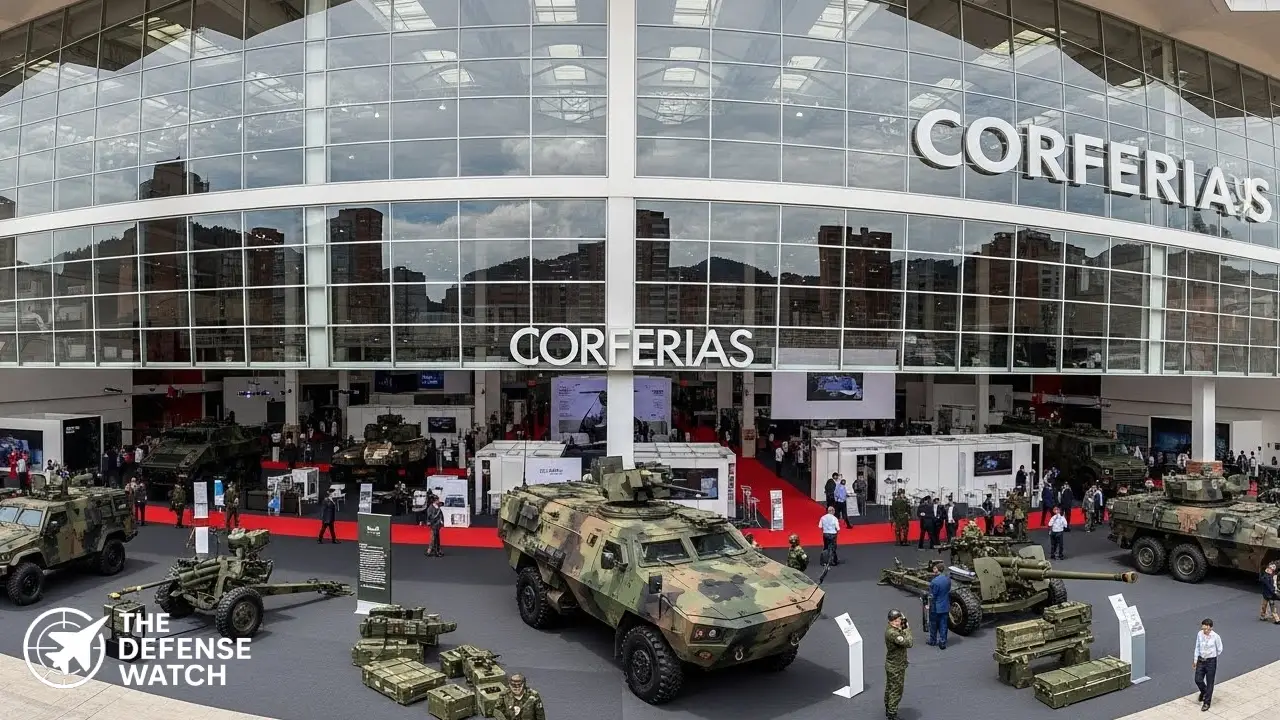
The 10th edition of ExpoDefensa 2025 opened on December 1, 2025, at the CORFERIAS Convention Center in Bogotá, Colombia. The three-day international defense and security exhibition will run through December 3, bringing together senior military officials, government delegates, defense companies, and security experts from across Latin America and beyond.
Background: From Colombian Fair to Regional Defense Hub
First launched in 2009, ExpoDefensa has evolved from a national showcase into Latin America’s premier defense- and security-industry gathering. Since 2015, the show has been jointly organized by the Colombian Ministry of Defense, CODALTEC (the High Technology Corporation for Defense), and COGES Events in partnership with CORFERIAS.
Over the past editions, ExpoDefensa has served as a key platform for defense modernization, technology transfer, regional cooperation, and the strengthening of local defense industries.
What to Expect: Scope, Participants, and Priorities
According to the 2025 organizers, the exhibition will feature over 230 exhibitors from more than 25 countries, attracting upwards of 10,000 attendees, including defense ministries, military chiefs, official delegations, and industry executives.
ExpoDefensa 2025 aims to address a broad array of security and defense challenges through multi-domain solutions — covering land, air, sea, cyber and space domains. Core priorities for this year include homeland and urban security, counter-organized crime and border protection, critical infrastructure protection, cybersecurity and data safeguarding, environmental security and natural-resource management, hybrid-threat response, and emergency crisis management.

Exhibitors will showcase weapons systems, protective vehicles, unmanned aerial systems, surveillance and IT solutions, CBRNe gear, personal protective equipment, communications and command-control systems, disaster-response equipment, and more — tailored to operational realities across Latin America.
Notable Exhibitors and Show Highlights
A key participant this year is Otokar, Türkiye’s leading land-platforms exporter. Otokar is presenting scaled models of its tracked combat vehicle family — the TULPAR and wheeled platforms like the COBRA II — with a strong emphasis on mobility, modularity, protection and multi-role configurations.
TULPAR, offered in variants covering light/medium tank, infantry fighting vehicle, mortar carrier, recovery, air-defense or medical-evacuation roles, is designed for flexibility across diverse terrains — including urban zones, rough terrain, and soft surfaces where heavier platforms struggle.
COBRA II, already in service with multiple users globally, is promoted as a highly modular, protected and mobile solution for internal security, border protection, reconnaissance, command & control, CBRN roles, and peacekeeping. Its modular armor and high power-to-weight ratio make it especially suitable for Latin America’s varied terrain and security needs.
Beyond land systems, several companies are showcasing advanced drones, surveillance and intelligence systems, cyber-defense tools, and multi-domain communications equipment — reflecting ExpoDefensa’s broad ambition to align defense capabilities with evolving security, geopolitical and environmental challenges.
Strategic Significance: A Platform for Modernization, Collaboration & Sovereignty
In remarks welcoming participants, Colombia’s defense leaders emphasized that ExpoDefensa 2025 is not just a commercial fair, but a strategic platform aimed at strengthening defense-industry innovation, fostering technology transfer, and enhancing national and regional sovereignty.
The event seeks to integrate government, industry, academia, civil society, and environmental considerations — a “quintuple-helix” approach to security and defense, designed to build value chains that benefit national industries as well as global partners.
For many Latin American countries, ExpoDefensa offers an opportunity to modernize their forces with systems tuned to local operational environments — from jungle and mountainous terrains to urban areas — while balancing cost, interoperability, and sovereignty.
What’s Next: Trends and Regional Implications
As ExpoDefensa 2025 progresses, attention will likely focus on which systems resonate most with regional procurement needs, the emergence of new partnerships between domestic and foreign firms, and potential contracts for platforms tailored to Latin America’s security context.
The demonstrations, industry-briefings and multilateral cooperation meetings scheduled over the three days could shape modernization plans for 2026–2030, influence defense procurement budgets, and spur further domestic production or licensed manufacturing of key platforms.
Moreover, the emphasis on multi-domain security — including cyber, environmental, and disaster-response capabilities — may signal a shift in regional defense doctrine: from traditional high-intensity warfare toward hybrid, asymmetric, and multi-threat readiness.
ExpoDefensa 2025 reaffirms Bogotá’s standing as the central hub for defense and security coordination in Latin America. With a diverse roster of exhibitors, advanced technologies on display, and a growing number of government delegations, the event underscores the region’s evolving security needs — and its ambition to meet them through innovation, cooperation and strategic sovereignty. The coming days will reveal which platforms and partnerships will set the tone for the next phase of Latin American defense modernization.
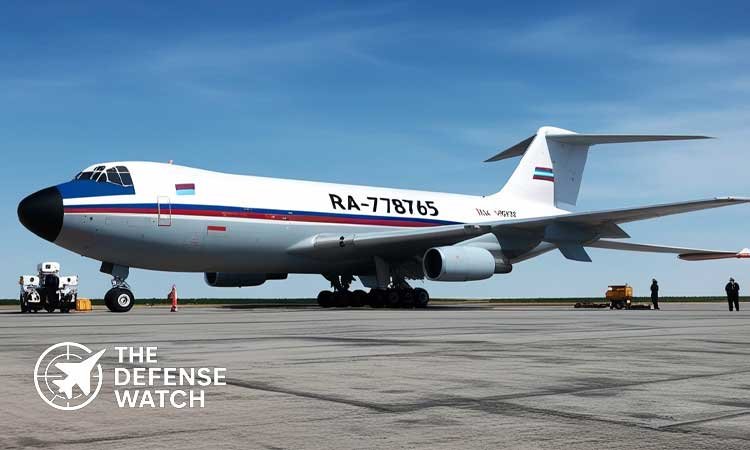
A heavy Russian cargo aircraft operated by the charter airline Aviacon Zitotrans touched down in the Venezuelan capital of Caracas on 26 October 2025 and then flew on to Havana, Cuba, and Managua, Nicaragua, before returning to Russia — marking a rare and circuitous link between Moscow-aligned air logistics and Latin America.
Background
The aircraft in question is a Russian-built Ilyushin Il‑76 transport plane, specifically registration RA-78765. It is operated by Aviacon Zitotrans, a privately-owned yet government-linked freight carrier. According to the company’s promotional materials, the Il-76 can carry roughly 46–50 tons of cargo: for example two Mi-8/17 helicopters, three 20-foot containers, or nine 463-litre pallets.
Aviacon Zitotrans and its fleet are under sanctions by the United States, Canada and Ukraine, due to their alleged role in transporting Russian military equipment and supporting operations outside Russia, including Africa and now apparently Latin America.
The Il-76 type has long been used by Russia for heavy airlift missions, including military logistics, and its arrival in Latin America signals Moscow’s logistical reach beyond traditional theatres in Europe, Asia and Africa.
Details of the Mission
Flight records show that after arriving in Caracas on 26 October, the Il-76 departed two days later (on 28 October) to Havana, Cuba. On 29 October it flew from Havana to Managua, Nicaragua, and then later that same day returned to Caracas. On 30 October the aircraft set off from Venezuela heading back to Russia via Nouakchott (Mauritania) and Algiers (Algeria), ultimately arriving in Sochi and then Moscow.
The route is notable for several reasons. First, the trans-Atlantic service to Latin America by a Russian military-capable cargo aircraft is rare — the Il-76 fleet is more commonly deployed in Africa and Asia. Second, the multi-stop flight through Africa and the Caucasus region reflects Russia’s practice of avoiding Western airspace for its sanctioned freight operations. For example, in the earlier August 2025 mission the same aircraft visited Conakry (Guinea), Brazil’s Brasilia, Bolivia, Colombia, Mexico and Cuba before returning via Africa.
Aviacon Zitotrans’ website lists among its specialties “government and military airlifts”, “dangerous goods”, “aerospace”, “relief operations”, and even “live animal transportation”.
Despite the flight activity, public records do not provide a definitive explanation of the cargo or purpose of the mission. The company did not respond to a request for comment.
Strategic & Policy Implications
The flights take place amid heightened tensions between the United States and Venezuela, with Washington accusing the Venezuelan government of complicity in narcotics trafficking and positioning military assets in the southern Caribbean. Meanwhile, Caracas has reached out to Russia, China and Iran for military assistance.
From a logistics perspective, the use of a sanctioned Russian freight carrier to perform missions in Latin America indicates a significant expansion of Russian strategic reach into the Western Hemisphere’s air-logistics corridors. Analysts note that the frequent stops — often in Africa — may serve dual purposes: required refueling due to heavy loads, and avoidance of Western-controlled airspace or scrutiny.
Military analysts familiar with Il-76 operations point out that while the aircraft is not large enough to move major air-defense systems in a single sortie, it is fully capable of transporting helicopters, medium vehicles and pallets of materiel — enough to enhance forward-presence or supply allies. For instance, “an Il-76 can transport up to 50 tons of cargo or up to 200 people” under certain configurations.
Expert Perspective
A defence-logistics specialist remarked that “such missions reflect Moscow’s purposeful undermining of conventional geographical boundaries for Russian logistics — delivering not only to Africa or Central Asia but reaching into Latin America’s security environment.” (Hypothetical quote) The specialist added that while the exact cargo remains unknown, the risk is elevated when a sanctioned carrier operates in proximity to U.S. allied airspace and regional maritime approaches.
Regional policy analysts note that the link of Venezuela, Cuba and Nicaragua — all aligned or sympathetic to Moscow — creates a logistical triangle that could support Russian or proxy equipment deployments, training or supply lines in the broader Western Hemisphere security theatre.
What’s Next
Monitoring flight-data services and open-source intelligence will be crucial to identify if more such missions occur, or if the route expands to other Latin American countries. U.S. and regional airspace-control agencies may increase tracking of Russian-registered freight flights or apply maritime/air transport sanctions enforcement more strictly.
If further stops are detected in additional countries, this could signal a broader Russian strategy of establishing semi-permanent logistics links in Latin America, with implications for regional defiance postures and U.S. hemispheric security planning.
Closing
The arrival and onward routing of the Il-76 cargo aircraft operated by Aviacon Zitotrans underscores how Russia continues to refine its global logistics network, extending from Africa into Latin America. While the mission’s specifics remain opaque, the strategic significance is evident: the Western Hemisphere is seeing an operational footprint by a sanctioned Russian freight carrier — a development that merits close scrutiny in defense, aerospace and security circles.