NATO And UK Surveillance Flights Over Black Sea
NATO and United Kingdom aircraft have carried out a series of visible intelligence gathering flights over the Black Sea, tracking Russian forces and military activity, according to flight tracking data and official reports. The missions involved allied airborne surveillance aircraft operating from both western and eastern approaches to the Black Sea region.
Routine allied surveillance flights come amid ongoing tensions between NATO and Russian military forces in Eastern Europe. These missions are intended to collect real-time data on Russian military signals and movements in international airspace while demonstrating alliance presence and deterrence.
Allied Aircraft Deployed
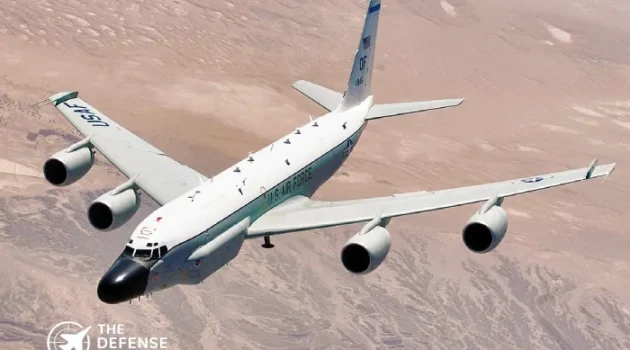
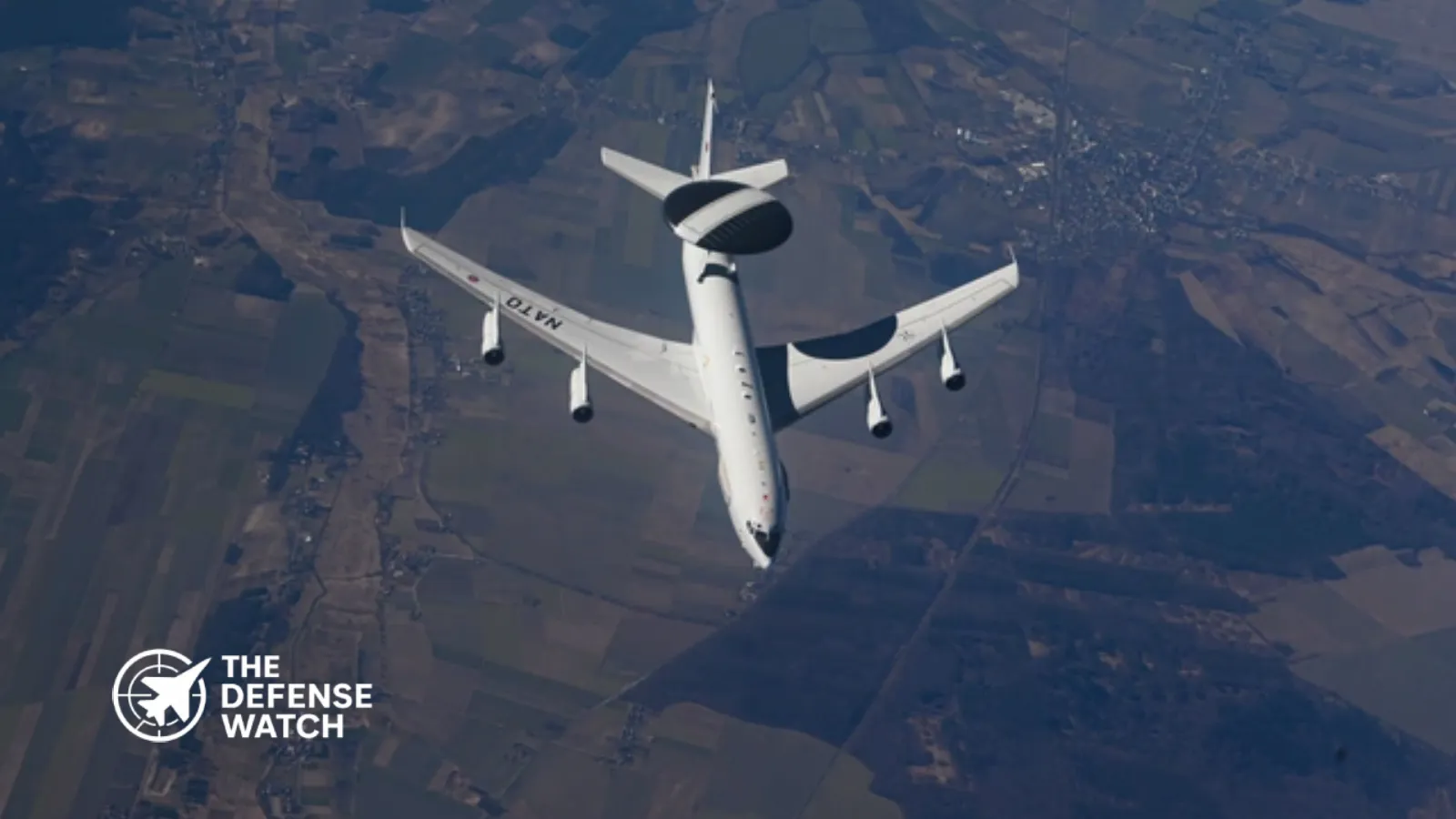
On February 9, 2026, open-source flight tracking showed a NATO Boeing E-3A Sentry airborne early warning aircraft on the western side of the Black Sea while a Royal Air Force RC-135W Rivet Joint operated on the eastern side.
The RAF RC-135W Rivet Joint is a specialized electronic surveillance aircraft designed to intercept and analyse radar, communications, and other electromagnetic emissions. It is crewed by specialist weapons systems officers and operators who can provide tactical and strategic intelligence to commanders.
The NATO E-3A Sentry provides airborne early warning, airspace surveillance, and command and control support across the alliance. Its role includes detection of aircraft and coordination of allied air assets. The E-3A fleet is supported by personnel from multiple NATO member states.
Context Of Surveillance Flights
NATO routinely conducts surveillance and intelligence flights near areas of heightened tension to monitor potential threats and reassure member states. Flights over the Black Sea have been a consistent element of allied air operations. Russian and NATO aircraft regularly operate in international airspace without entering sovereign territory, in line with international aviation law.
Similar allied missions have involved long-range patrols near Russia’s borders and Baltic region. For example, Royal Air Force reconnaissance aircraft and other NATO partners have flown extended monitoring flights around Kaliningrad and along NATO’s eastern flank in recent months.
NATO And Russian Airspace Interactions
The broader regional security environment has seen frequent air policing and intercept missions. British fighter jets deployed under NATO’s enhanced Air Policing mission have repeatedly scrambled to intercept Russian reconnaissance aircraft near alliance airspace, especially over the Baltic Sea.
NATO member air forces, such as German Eurofighters, have also intercepted Russian Il-20M and other surveillance aircraft close to alliance airspace in the Baltic region.
Purpose And Implications
NATO and UK surveillance flights serve to collect timely information on Russian military activity and electronic emissions. They also underscore allied readiness to monitor and respond to regional threats. Visible operations are intentionally unclassified to signal NATO presence while still respecting international airspace norms.
Allied officials describe these missions as standard practice in a period of sustained military tension and not a departure from normal surveillance operations. Continued intelligence flights reflect ongoing efforts by NATO to manage risks and maintain situational awareness across contested regions.
Get real time update about this post category directly on your device, subscribe now.