Why the Baba Yaga Drone Matters
The Baba Yaga drone matters because it shows how low cost, locally built unmanned systems are reshaping modern warfare. In Ukraine, heavy multirotor drones are no longer support tools. They are frontline strike weapons. The Baba Yaga drone has become one of the clearest examples of this shift, earning both battlefield impact and symbolic status during the ongoing war with Russia.
What Happened
In late 2025, a monument honoring the Baba Yaga drone was unveiled in Ukraine. The tribute recognized the drone’s role in combat operations against Russian forces. According to Ukrainian media reporting, the monument reflects how the system has become widely known among troops and the public for its destructive effectiveness and psychological impact on the battlefield.
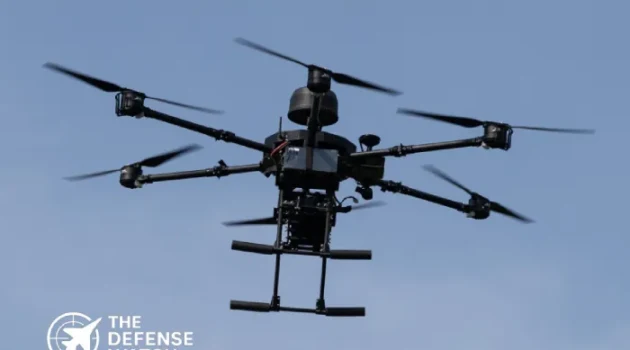
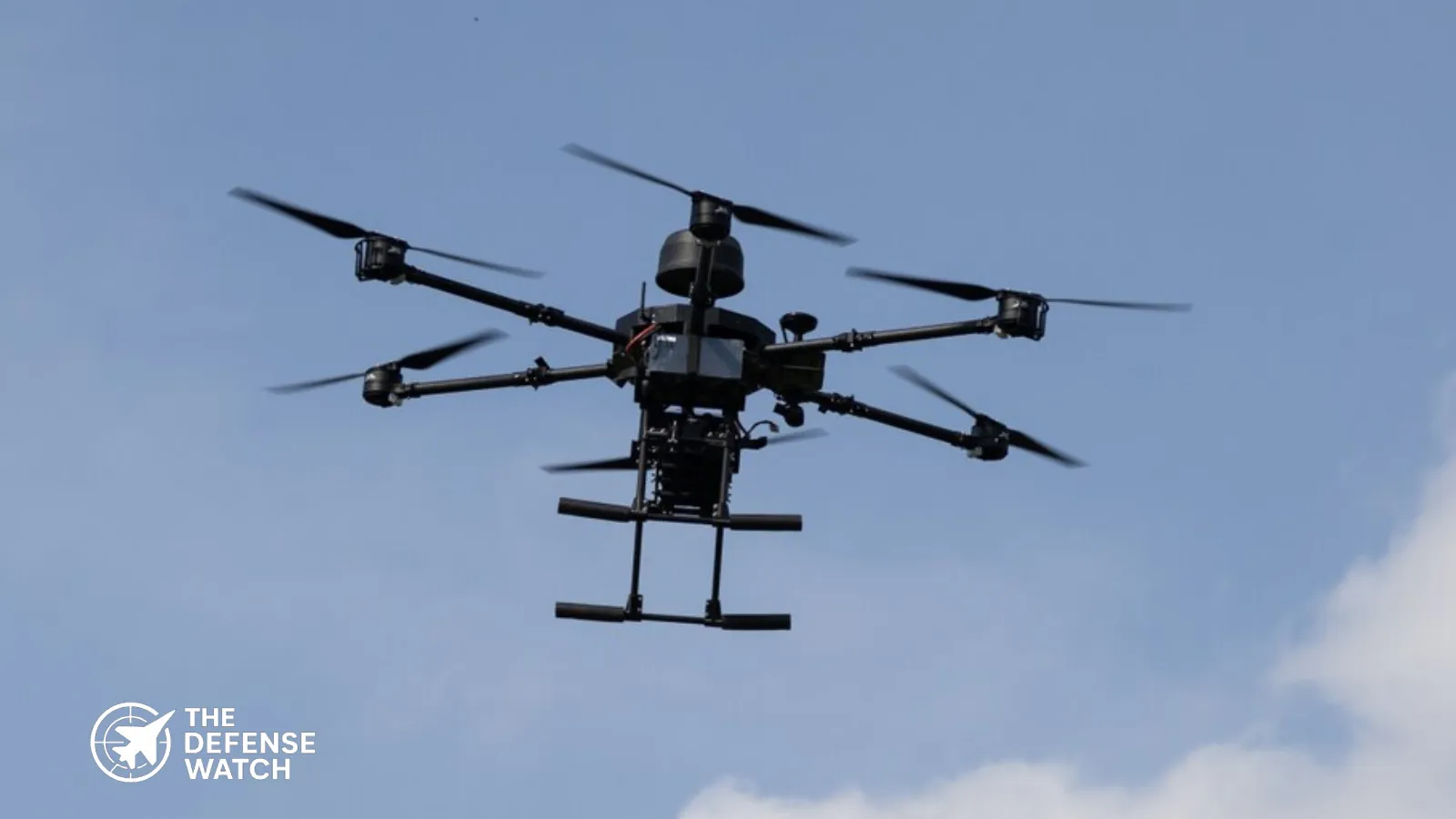
The Baba Yaga drone is not a single factory built platform. It is a category of heavy multirotor strike drones used by Ukrainian units, often operated at night and designed to deliver large explosive payloads against armored vehicles, fortified positions, and troop concentrations.
Background on the Baba Yaga Drone
The Baba Yaga drone takes its name from a figure in Slavic folklore associated with fear and destruction. Ukrainian soldiers adopted the nickname due to the drone’s night operations and distinctive sound. The system is typically larger than commercial quadcopters used for reconnaissance or small munition drops.
Unlike lighter FPV drones, the Baba Yaga drone can carry heavier payloads, including anti tank mines and modified artillery munitions. It is usually powered by electric motors, uses satellite navigation when available, and relies on trained operators positioned several kilometers from the target area.
The Baba Yaga drone emerged as Ukraine expanded its domestic drone production after 2022. Faced with shortages of traditional airpower and artillery, Ukrainian forces accelerated the use of unmanned systems to offset Russia’s numerical advantages.
How It Works
The Baba Yaga drone is a heavy lift multirotor platform, often with six or eight rotors. This configuration allows it to carry payloads far heavier than standard commercial drones. Missions are commonly flown at night to reduce detection and increase survivability.
Operators guide the drone using live video feeds and navigation data. Once over the target, the munition is released rather than detonated on impact, allowing the drone to return if not engaged by air defenses. This reuse capability makes the Baba Yaga drone more cost effective than one way attack systems.
Electronic warfare remains a challenge. Russian forces actively jam GPS and control signals. In response, Ukrainian units have adapted by using alternative navigation methods, shorter flight paths, and coordinated attacks that overwhelm defenses.
Battlefield Role and Impact
On the battlefield, the Baba Yaga drone fills a gap between small FPV drones and traditional artillery. It offers precision strike capability with payloads large enough to damage armored vehicles or collapse defensive positions.
Ukrainian officials and military analysts note that heavy drones like the Baba Yaga drone have forced Russian troops to alter their behavior. Vehicles are dispersed, night movement is reduced, and defensive positions are reinforced against aerial attack from above.
The drone’s psychological effect is also significant. The distinctive sound of large multirotors at night has been reported by both sides as a source of stress for troops under threat.
Strategic Context
The rise of the Baba Yaga drone reflects a broader shift in global military competition. Modern conflicts increasingly rely on adaptable, low cost systems that can be produced locally and modified quickly. Ukraine’s drone ecosystem contrasts with traditional procurement models that depend on long development cycles and centralized production.
Similar trends are visible elsewhere. Militaries are investing in heavy UAVs for logistics, strike missions, and electronic warfare. However, Ukraine’s experience shows how combat driven innovation can accelerate deployment and refine tactics in real time.
The Baba Yaga drone also highlights the limits of conventional air defense systems. Many are optimized to counter aircraft or missiles, not slow moving, low altitude drones operating in large numbers.
Policy and Expert Perspective
Defense analysts note that Ukraine’s use of heavy strike drones is influencing military planning worldwide. Lessons from the Baba Yaga drone are being studied by NATO members and other armed forces evaluating future force structures.
From a policy standpoint, the system underscores the importance of domestic industrial capacity, rapid certification processes, and close cooperation between frontline units and manufacturers. It also raises questions about how international arms control frameworks apply to improvised or semi commercial unmanned systems.
What Comes Next
Ukraine continues to expand its drone forces, with ongoing efforts to improve range, resistance to jamming, and payload flexibility. The Baba Yaga drone is expected to evolve rather than remain a fixed design, reflecting the fast pace of battlefield innovation.
The monument dedicated to the drone signals more than recognition of a single system. It marks a shift in how military power is built, deployed, and remembered in modern war.
Get real time update about this post category directly on your device, subscribe now.