Lockheed Martin Expands PAC-3 Missile Production Capacity
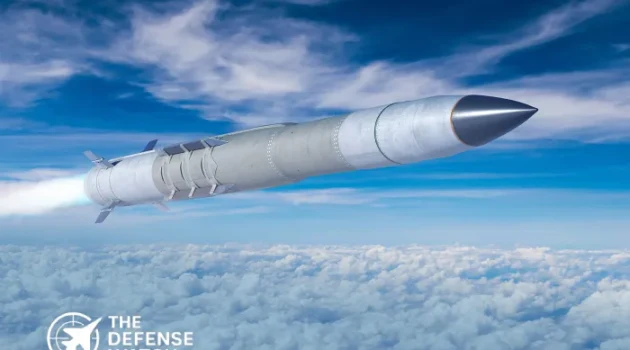
The PAC-3 missile contract awarded to Lockheed Martin marks one of the largest recent investments in U.S. and allied air and missile defense, reinforcing production of the Patriot Advanced Capability-3 Missile Segment Enhancement interceptor.
The $4.76 billion firm-fixed-price award covers full-scale production, engineering support, and lifecycle services. Work will continue across a distributed industrial base in states including Alabama, Florida, Texas, and Pennsylvania, with completion expected by June 30, 2030.
According to the U.S. Department of Defense contract announcement, the majority of funding comes from Foreign Military Sales customers, underscoring strong international demand for the PAC-3 MSE interceptor.
- :contentReference[oaicite:0]{index=0} awarded $4.76 billion contract for PAC-3 MSE missile production.
- Contract covers manufacturing, engineering, and support services through June 2030.
- $264.9 million funded by U.S. Army, $4.49 billion from Foreign Military Sales partners.
- Production spans multiple U.S. states, including Alabama, Florida, Texas, and Pennsylvania.
- Contract reflects growing demand for advanced missile defense against drones and ballistic threats.
Rising Global Demand Driving Production Scale
The scale of this PAC-3 missile contract reflects a clear shift in global defense priorities. Nations are accelerating investments in layered air and missile defense systems as threats from ballistic missiles, cruise missiles, and drones continue to expand.
The PAC-3 MSE interceptor is designed to defeat tactical ballistic missiles, cruise missiles, and advanced aerial threats using hit-to-kill technology. Unlike legacy proximity-based interceptors, the system relies on direct impact, improving precision and lethality.
Foreign Military Sales funding exceeding $4.4 billion suggests sustained procurement from U.S. allies in Europe, the Middle East, and the Indo-Pacific. Many of these regions are facing increased missile proliferation and evolving aerial threats, particularly from low-cost drones and maneuvering ballistic systems.
Industrial Base Spread Across Multiple States
The contract supports a wide network of manufacturing and engineering sites, including Huntsville, Alabama; Clearwater and Pinellas Park, Florida; Grand Prairie, Texas; and Archbald, Pennsylvania, among others.
This distributed production model strengthens supply chain resilience while maintaining surge capacity. It also aligns with broader Pentagon efforts to expand the U.S. defense industrial base following lessons learned from recent conflicts and supply chain disruptions.
From an industrial perspective, the PAC-3 missile contract sustains thousands of skilled jobs and reinforces specialized manufacturing capabilities tied to advanced guidance systems, propulsion, and interceptor assembly.
Strategic Importance Of PAC-3 MSE In Modern Warfare
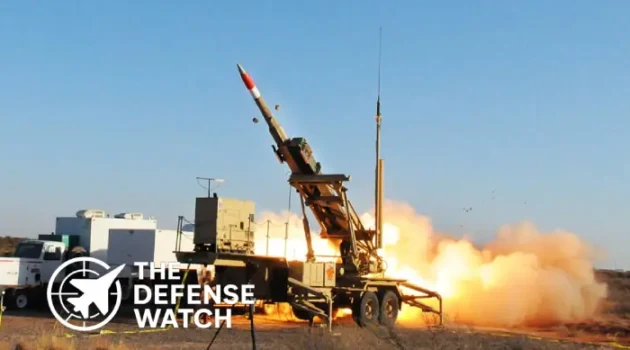
The PAC-3 MSE has become a central element of U.S. and allied missile defense architectures. It integrates into the Patriot air defense system, providing terminal phase interception against high-speed threats.
Recent operational trends highlight the growing importance of systems like PAC-3. Conflicts in Eastern Europe and the Middle East have demonstrated the increasing use of ballistic missiles and drones in combined attack strategies. This has placed pressure on existing air defense networks and accelerated demand for advanced interceptors.
The PAC-3 missile contract directly supports this evolving operational environment. By expanding production capacity, the U.S. and its partners aim to ensure sufficient interceptor stockpiles to sustain prolonged engagements if required.
Foreign Military Sales Signal Allied Dependence
A notable aspect of the contract is the funding split. Only a small portion, roughly $264.9 million, is allocated from U.S. Army procurement funds, while the majority comes from allied nations through Foreign Military Sales.
This highlights how dependent partner nations have become on U.S.-produced missile defense systems. It also reflects interoperability priorities within NATO and allied frameworks, where standardized systems like Patriot allow for integrated air defense operations.
Countries acquiring PAC-3 MSE systems are not just buying hardware. They are integrating into a broader network of sensors, command systems, and joint operational doctrines led by the United States.
Long-Term Implications For Missile Defense Strategy
The contract signals a sustained commitment to kinetic intercept technologies, even as emerging solutions such as directed energy weapons and electronic warfare systems gain attention.
While future air defense may include lasers and AI-driven intercept solutions, the near-term reality remains centered on proven systems like PAC-3 MSE. These interceptors provide reliable, combat-tested capabilities against a wide range of threats.
At the same time, the size of the PAC-3 missile contract suggests planners anticipate continued high demand for interceptor-based defenses. This aligns with assessments from the Missile Defense Agency and other defense bodies that forecast increasing missile threats over the next decade.
Program Outlook Through 2030
With an estimated completion date in 2030, the contract ensures production continuity over the next several years. This long-term horizon provides stability for suppliers and allows for incremental upgrades to be integrated during the production cycle.
It also gives the U.S. and its allies time to expand layered defense architectures, combining PAC-3 MSE with systems such as THAAD and next-generation radar platforms.
As global security dynamics continue to shift, the PAC-3 missile contract positions Lockheed Martin and its partners at the center of a growing missile defense market.
Get real time update about this post category directly on your device, subscribe now.