
RTX Launches Blue Canyon Satellite for NASA’s Pandora Mission
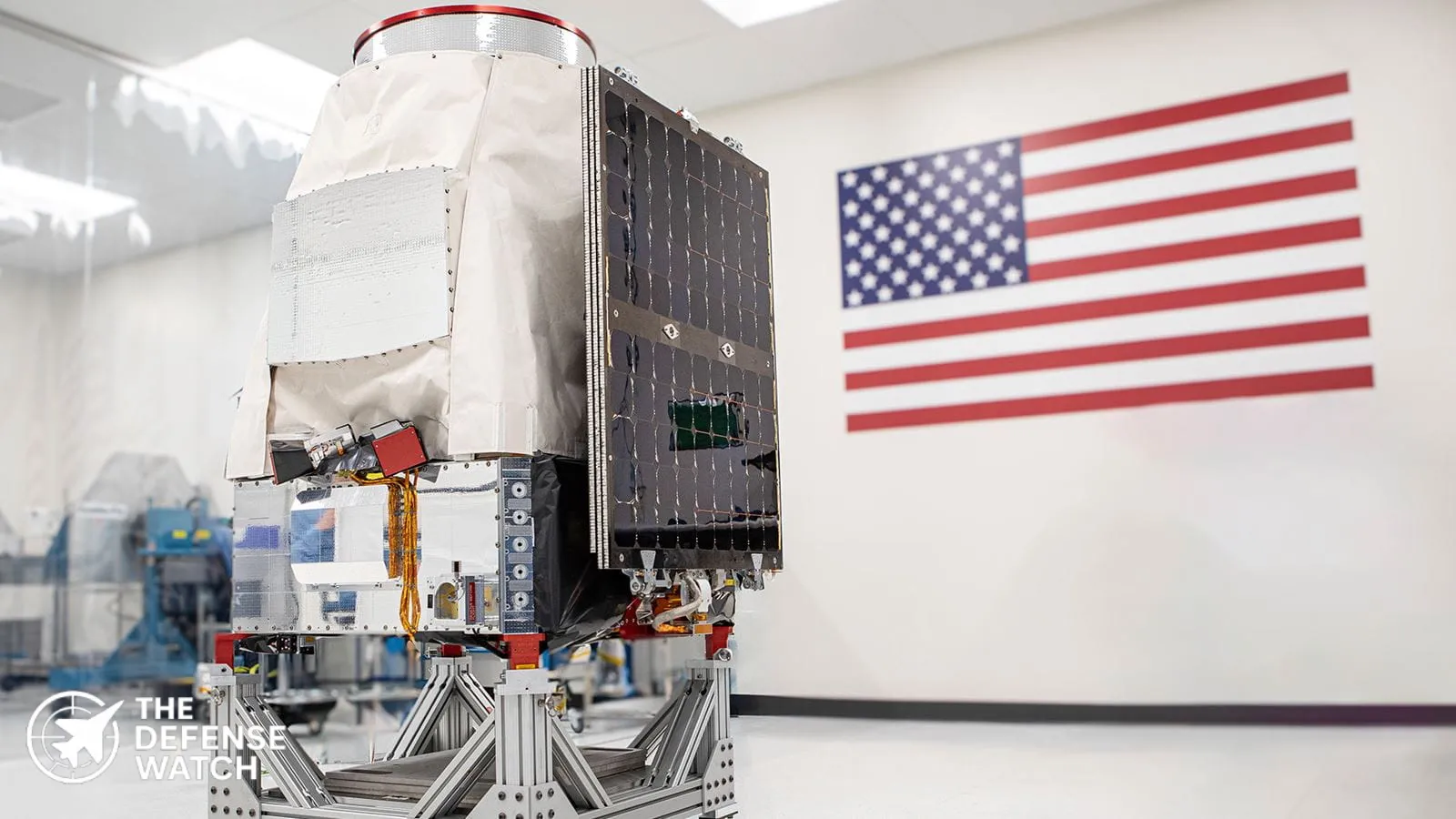
RTX’s (NYSE: RTX) small satellite division, Blue Canyon Technologies, successfully launched its Saturn-200 minisatellite this week in support of NASA’s Pandora mission, aimed at studying the atmospheres of exoplanets and the activity of their host stars.
The Pandora mission will observe at least 20 planets as they transit in front of their stars. During these transits, starlight passes through planetary atmospheres, allowing scientists to measure atmospheric composition and assess habitability potential. The mission focuses on planets with atmospheres primarily composed of hydrogen or water.
Chris Winslett, general manager of Blue Canyon Technologies, noted that Pandora carries the largest telescope payload ever integrated onto a Blue Canyon spacecraft. He highlighted the spacecraft’s advanced guidance, navigation, and control systems, which provide the precision pointing and stability required for the mission’s success.
The Pandora program is managed by NASA’s Goddard Space Flight Center and Lawrence Livermore National Laboratory under the NASA Science Mission Directorate. Blue Canyon provided the satellite bus, launch vehicle integration, and post-launch commissioning. The launch marks the 87th spacecraft deployed by Blue Canyon Technologies.
Blue Canyon Technologies, a subsidiary of RTX, specializes in small satellite manufacturing and mission services. Its portfolio supports over 160 spacecraft orders for diverse missions, offering reliable, cost-effective platforms for the evolving space economy.
RTX, the world’s largest aerospace and defense company, employs more than 185,000 people worldwide and reported over $80 billion in 2024 sales. Its business units—Collins Aerospace, Pratt & Whitney, and Raytheon—advance aviation, defense systems, and next-generation technologies for global customers.
Get real time update about this post category directly on your device, subscribe now.
