U.S. Accelerates Taiwan Arms Deliveries as HIMARS, Harpoon, MQ-9B Systems Target Defense Gaps
The United States is accelerating Taiwan arms deliveries, including HIMARS rocket launchers, Harpoon coastal missiles and MQ-9B drones as part of Taipei’s effort to strengthen its layered defense against growing pressure from China, Taiwan’s defense minister said.
Taipei Defense Minister Wellington Koo told reporters that Washington is moving to ease long delays in weapons shipments this year as U.S. defense production bottlenecks improve and administrative processes for Taiwan cases are streamlined.
Faster deliveries could help Taiwan close what Koo described as critical capability gaps in long-range precision fires, coastal defense and persistent surveillance, officials said.
What Taiwan Expects
Taipei anticipates phased shipments later this year will include:
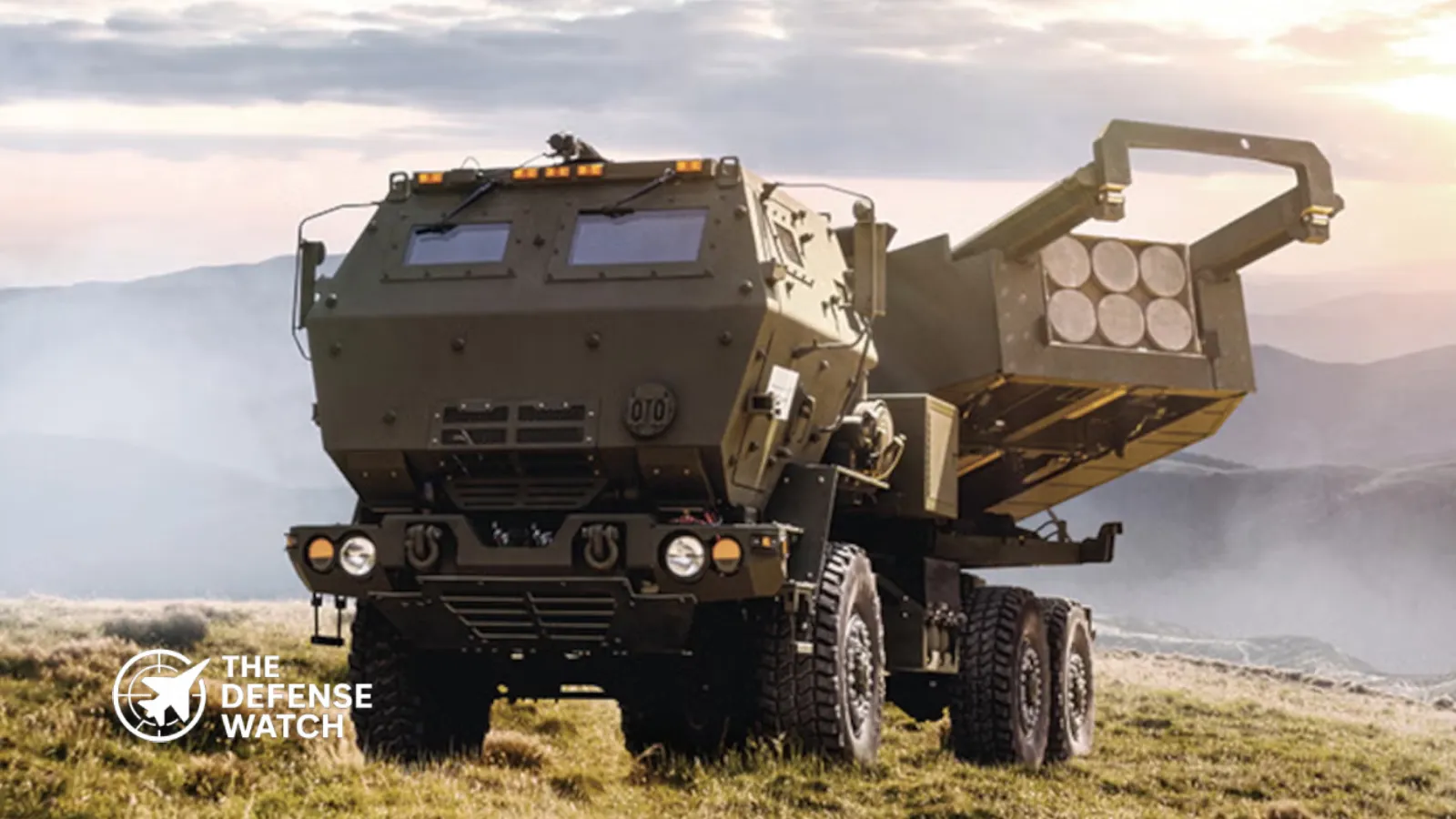
- HIMARS multiple rocket launcher systems, capable of mobile long-range precision fires.
- Harpoon coastal defense missile systems, configured for over-the-horizon sea denial.
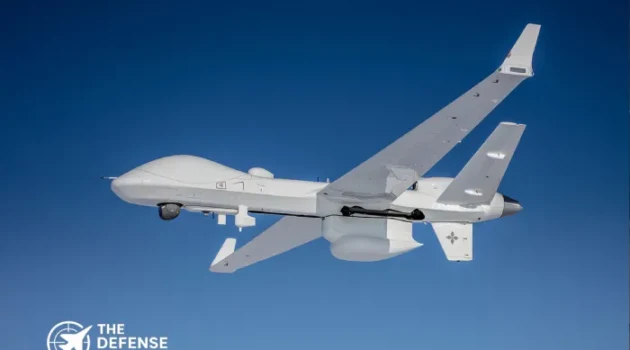
- MQ-9B drones for extended surveillance and targeting support.
- Javelin anti-armor missiles following plan schedules.
Officials said the aim of sped-up deliveries is to help Taiwan implement a denial strategy that disperses firepower and complicates any potential amphibious assault.
HIMARS launchers provide mobility, rapid fire and relocation options. The system can fire guided rockets and Army Tactical Missile System rounds, giving Taiwan the ability to strike at greater distances across likely approach corridors.
Harpoon coastal defense missiles, configured for mobile land launch, give Taiwan forces the ability to hold Chinese surface combatants and amphibious ships at risk as they move toward the island’s littoral zones.
MQ-9B drones extend Taipei’s surveillance reach, with high endurance enabling persistent monitoring of maritime approaches and early cueing for ground and coastal missile units.
Context and Strategic Drivers
The push to speed up deliveries comes after months of high-level discussions and policy changes in Washington that aim to ease procedural delays. Taiwan’s defense minister said improvements in U.S. defense industry production and streamlined export processes have reduced some bottlenecks.
Taipei is also navigating a domestic budget debate over a proposed supplementary defense budget worth about $40 billion that would fund advanced U.S. weapons packages and other systems. Delays in budget approval risk slowing or stalling planned acquisitions, officials warn.
In December 2025, the United States announced a record $11.1 billion set of proposed arms sales to Taiwan covering HIMARS, howitzers, drones and related equipment, reflecting growing U.S. support for Taipei’s asymmetric defense posture amid persistent cross-Strait tensions.
China regularly protests U.S. arms sales to Taiwan, calling them destabilizing, but Washington says these transfers support Taiwan’s right to self-defense under U.S. law and help maintain peace in the region.
Outlook
Officials in Taipei and Washington expect the improved delivery pace to continue, but stress that actual arrival dates will depend on a mix of industrial production capacity, export processing and Taiwan’s own funding decisions. Experts say the accelerated schedule aims to ensure key systems are fielded before potential crisis scenarios tighten timelines.
Get real time update about this post category directly on your device, subscribe now.