US Navy Operates F-35C And EA-18G Aircraft From USS Abraham Lincoln In Red Sea
The US Navy is flying F-35C Lightning II and EA-18G Growler aircraft from the USS Abraham Lincoln (CVN-72) in the Red Sea, reinforcing carrier strike group presence amid ongoing regional tensions. The carrier air wing’s flight operations show sustained naval aviation activity in the region under US Central Command.
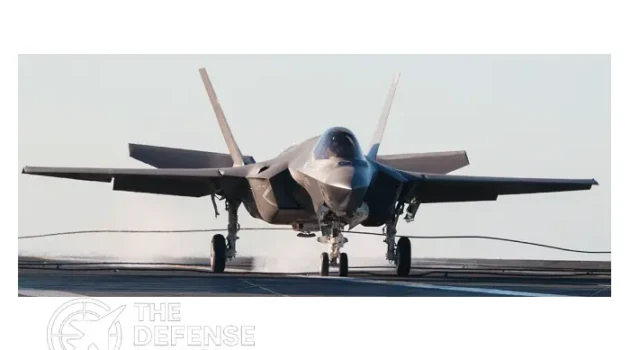
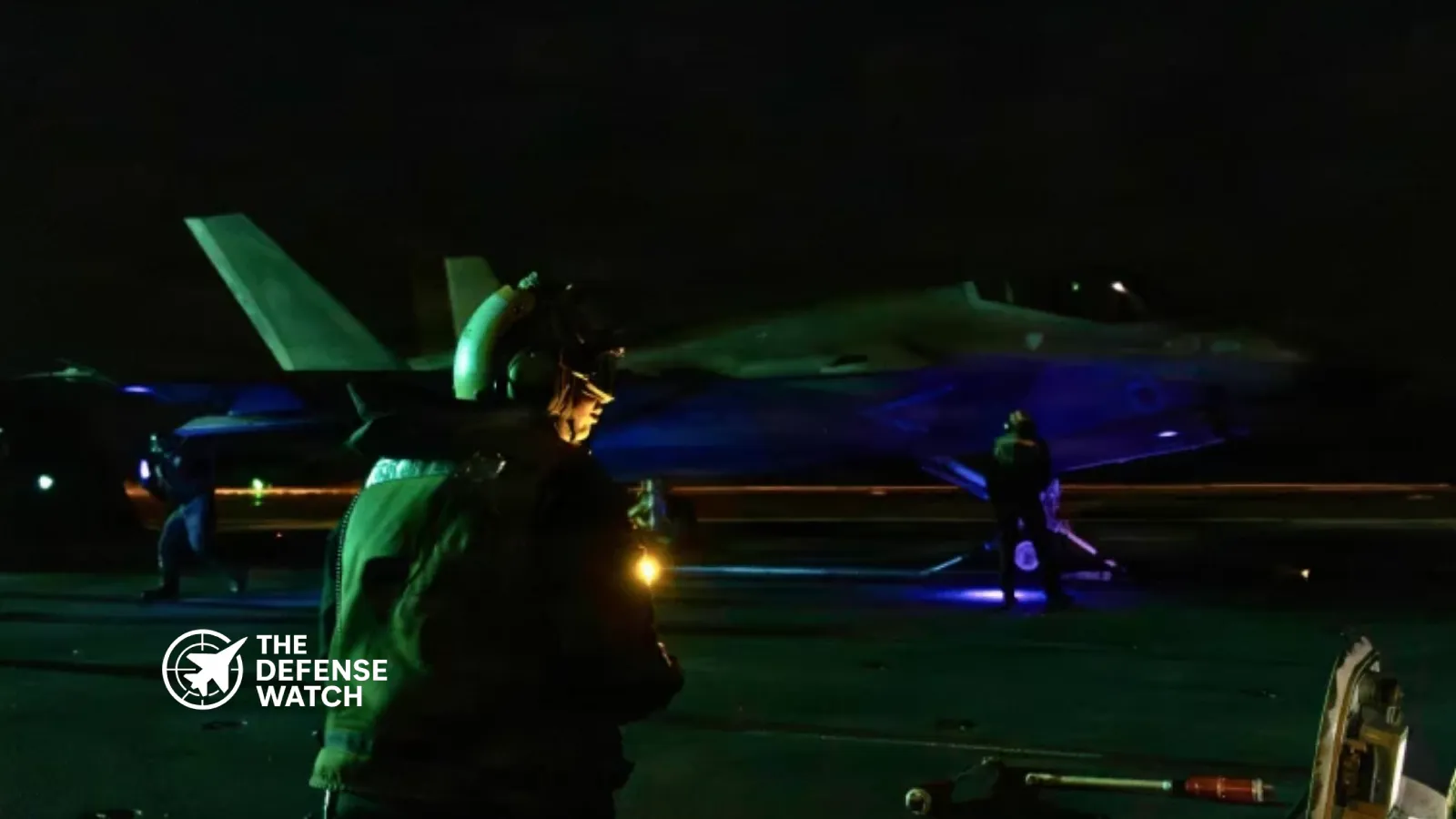
Images and operational details released by US Central Command on February 16 show Marine Fighter Attack Squadron 314 F-35C stealth fighters and Electronic Attack Squadron 133 Growlers preparing for launch from the carrier’s flight deck in international waters.
Carrier Air Wing Composition And Mission
The USS Abraham Lincoln Carrier Air Wing 9 includes a mix of strike fighters, electronic attack aircraft, airborne early warning platforms, and logistics helicopters. This mix provides layered capability for air defense, surveillance, and electronic warfare.
F-35C Lightning II jets from Marine Fighter Attack Squadron 314 bring fifth-generation stealth, sensor fusion, and networked operations to the carrier wing. The naval variant has a larger wing and strengthened landing gear for carrier operations, and uses advanced radar and sensor systems to support air-to-air and air-to-surface tasks.
EA-18G Growlers from Electronic Attack Squadron 133 deliver electronic attack and suppression of enemy air defenses, integrating receivers and jamming pods to disrupt hostile radars, communications, and targeting systems. The aircraft can carry AGM-88 HARM missiles to target radar emitters.
The air wing is supported by E-2D Advanced Hawkeye early warning aircraft that extend aerial surveillance and coordinate combat air patrols around the carrier strike group.
Strategic Context And Regional Security
The carrier’s presence in the Red Sea comes as the United States maintains operations to safeguard key maritime lines of communication. The broader region, including the Gulf of Aden, Bab el Mandeb, and Arabian Sea, remains an area of heightened maritime security activity due to asymmetric threats such as unmanned systems and regional state tensions.
In early February, a US Navy F-35C from the Abraham Lincoln successfully intercepted and shot down an Iranian-origin unmanned aerial system that was approaching the carrier strike group. The engagement caused no damage to the carrier or accompanying vessels.
US naval statements highlight continuous flight operations as part of efforts to deter threats to freedom of navigation and reassure partners in the region. The operations also underline the carrier strike group’s ability to project power without reliance on host nation basing.
Capability Integration At Sea
Operating together from a forward-deployed carrier allows the mix of F-35C, EA-18G, and supporting aircraft to share sensor data, conduct distributed operations, and respond to emerging challenges at range. The F-35C’s data links integrate with surface and airborne assets to build a common operational picture.
Electronic attack aircraft work ahead of strike fighters to shape the electromagnetic environment, reducing the effectiveness of hostile air defenses and creating windows for precision missions.
The sustained carrier air operations from USS Abraham Lincoln reflect US Navy doctrine for persistent presence in key maritime theaters and support for regional stability.
Get real time update about this post category directly on your device, subscribe now.