Saudi F-35A With RSAF Emblem Appears Amid Historic F-35 Sale Talks
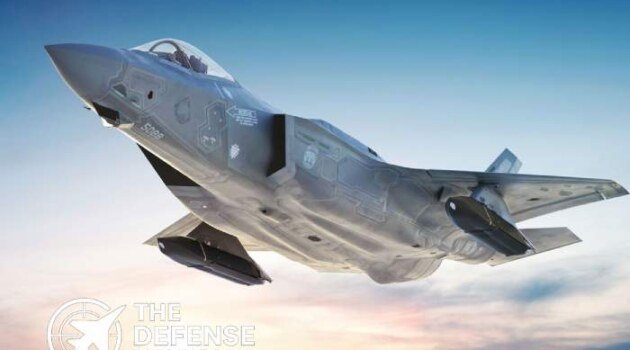
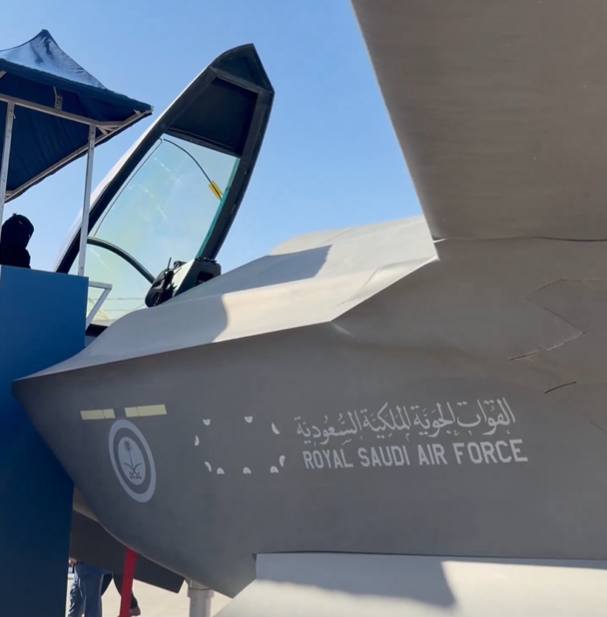
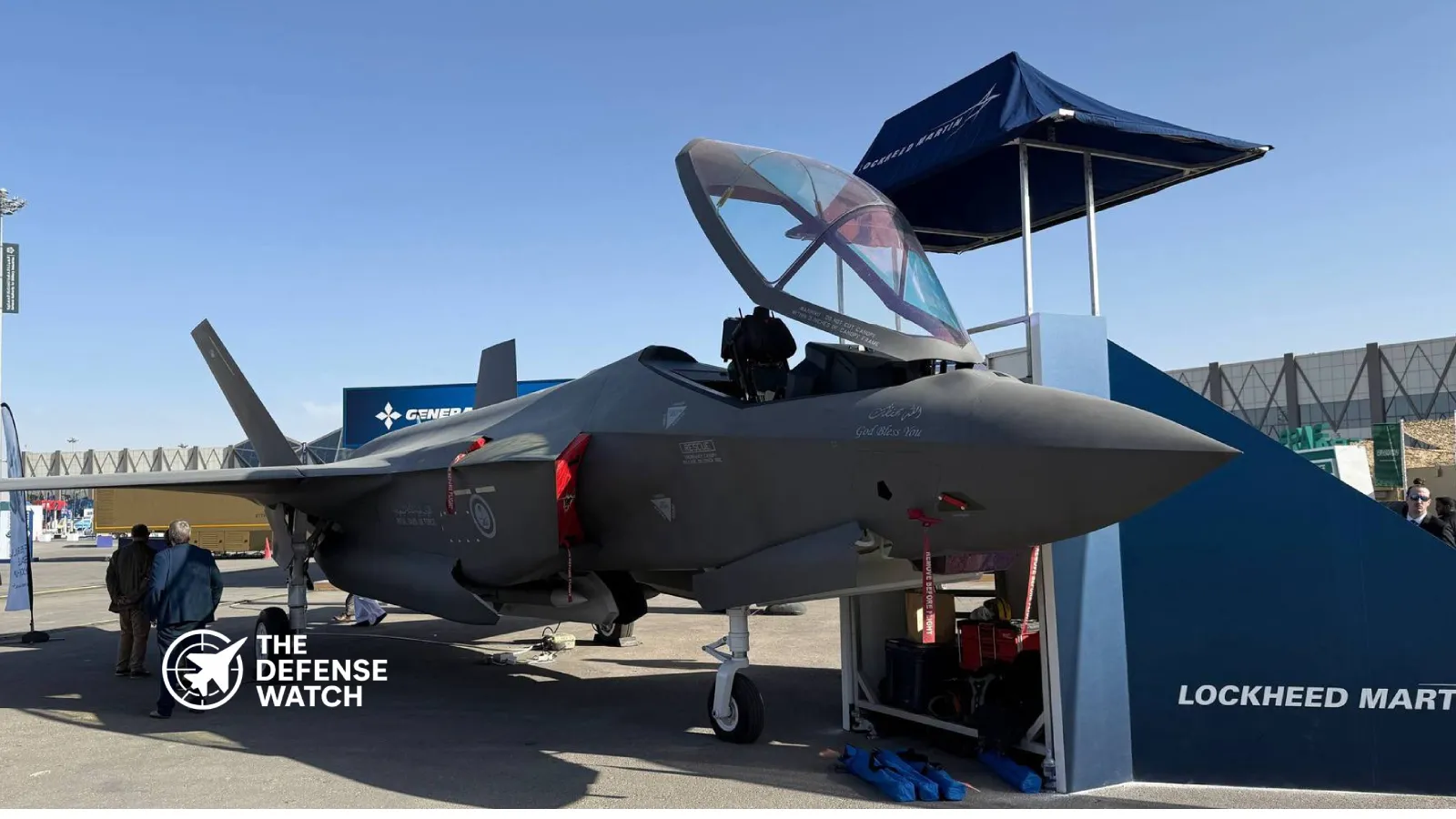
A Lockheed Martin F-35A Lightning II bearing the Saudi flag and Royal Saudi Air Force (RSAF) emblem has surfaced in new visuals, highlighting the potential for Saudi Arabia to become the first Arab country to receive the US fifth-generation fighter jet. The F-35A is operated by only a handful of nations worldwide and is widely regarded as one of the most advanced combat aircraft in service.
Current negotiations between Riyadh and Washington have advanced to the point where Saudi Arabia may purchase F-35 aircraft, marking a major shift in regional defense modernization.
Context: F-35 Sale Talks With Saudi Arabia
US President Donald Trump confirmed that the United States intends to sell F-35 stealth fighters to Saudi Arabia, a move that would make the Kingdom the only Arab state besides Israel to field the aircraft. Trump’s remarks came ahead of a high-level visit by Saudi Crown Prince Mohammed bin Salman to Washington and reflect a broader push to strengthen bilateral defense ties.
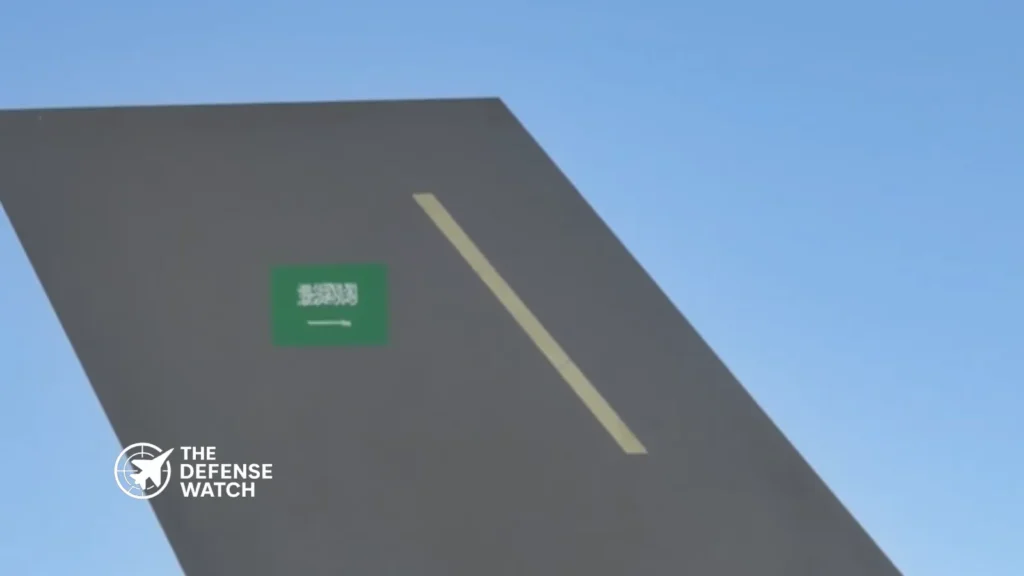
Sources familiar with the negotiations say Saudi Arabia has sought up to 48 F-35 jets. The potential agreement has cleared key Pentagon review stages but still requires formal approval from the White House and the US Congress.
Why This Matters
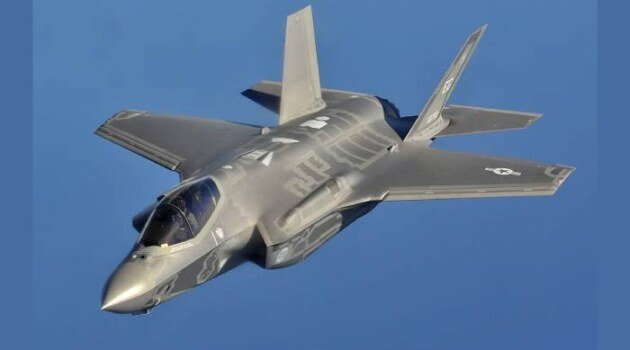
The F-35A Lightning II is the most widely exported variant of the F-35 family, a stealth multirole fighter designed for air superiority, strike capability, and advanced sensor fusion. It is part of the US defense industrial base that supports partner air forces and allied operations around the world. Saudi acquisition of the F-35 would represent a significant modernization step for the Royal Saudi Air Force.
To date, only a limited group of US allies and partners operate the F-35, including the United States, several NATO members, Japan, South Korea, and Israel in the Middle East. Saudi Arabia’s entry into that group would reshape regional airpower discussions.
Legal and Strategic Considerations
Any F-35 sale to Saudi Arabia remains subject to US export controls and congressional review. Past efforts to sell F-35 jets to Gulf states, including the United Arab Emirates, have been politically sensitive due to concerns about regional balances and technology protection.

Analysts note that if approved, restrictions may be placed on software or armament capabilities to preserve US strategic interests and treaty obligations with other partners. Reporting suggests US officials may limit certain upgrades or advanced weapons that would normally accompany F-35 exports.
Regional Impact
A Saudi F-35 fleet would alter airpower capabilities in the Middle East. Israel has long been the only regional operator of the F-35, and its qualitative edge has been a cornerstone of US policy in the region. A Saudi acquisition would prompt debate over how to balance capability transfers with strategic stability.
Saudi defense modernization plans, which extend beyond F-35 acquisition, also include procurement of other high-end platforms such as F-15EX fighters, underscoring Riyadh’s long-term air force expansion efforts.
What Comes Next
The next steps involve formal submission of sale notifications to the US Congress, final executive approval, and production planning with Lockheed Martin and its global industrial partners. If completed, deliveries would likely begin several years after approval, given production cycles and training requirements.
Get real time update about this post category directly on your device, subscribe now.