Japan Deploys F-35B Fighter Jets in First Operational Service
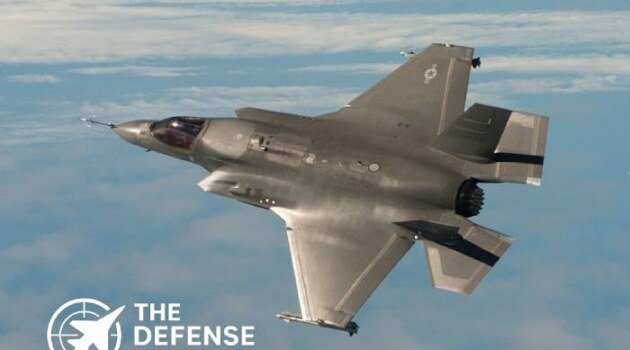
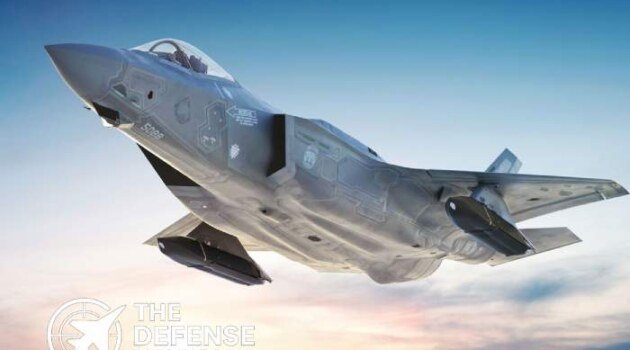
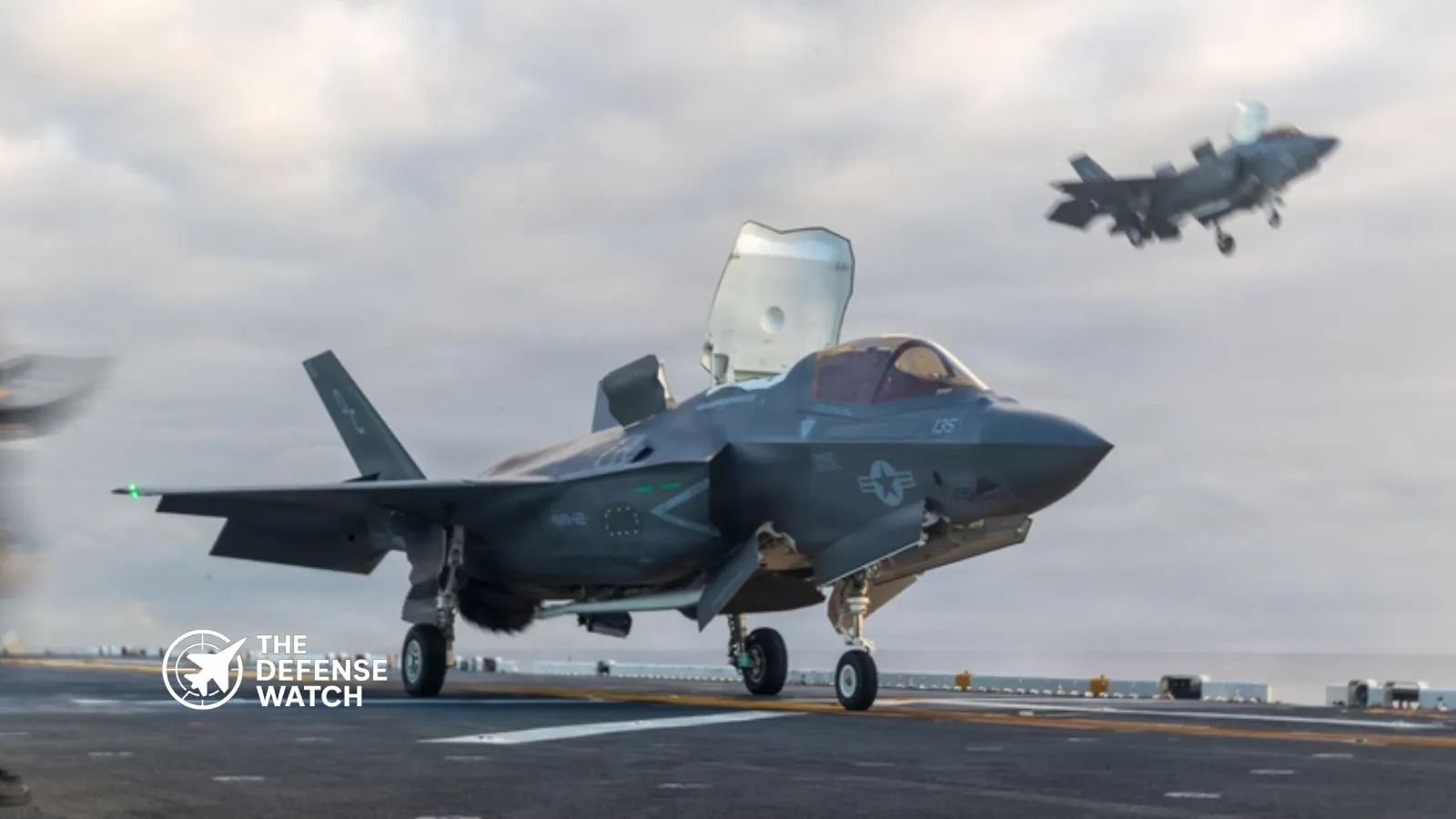
Japan has officially deployed U.S.-made F-35B fighter jets into operational service, marking a significant milestone in the country’s defense modernization and maritime airpower expansion. The deployment represents the first time Japan has placed the short takeoff and vertical landing variant of the F-35 Lightning II into frontline service, strengthening its ability to operate fixed-wing combat aircraft from short runways and modified naval platforms.
According to information released by Japan’s Ministry of Defense and reported by Army Recognition, the aircraft are now assigned to operational units under the Japan Air Self-Defense Force, or JASDF. The move reflects Tokyo’s growing emphasis on flexible power projection and rapid response capabilities in the Indo-Pacific region.
The F-35B deployment also underscores deepening defense integration between Japan and the United States, as both countries seek to enhance interoperability amid evolving regional security challenges.
A New Capability for Japan’s Air and Maritime Forces
The F-35B is uniquely suited for Japan’s operational needs due to its short takeoff and vertical landing capability. Unlike conventional fighters, the aircraft can operate from shorter runways and austere locations, reducing reliance on large, fixed air bases that could be vulnerable during a conflict.
Japan’s F-35B fleet is expected to support operations from land bases as well as from modified Izumo-class helicopter destroyers, which are being converted to support fixed-wing aircraft. These modifications include reinforced flight decks, heat-resistant coatings, and updated aviation support systems.
By integrating the F-35B into service, Japan gains a flexible air combat platform capable of operating closer to contested areas, particularly in the southwestern island chain.
Strengthening Deterrence in the Indo-Pacific
The operational deployment of the F-35B fighter jets aligns with Japan’s broader defense strategy aimed at strengthening deterrence and response capabilities in the Indo-Pacific. The region has seen increased military activity, including expanded naval operations and air patrols by regional powers.
Japanese defense planners have emphasized the need for distributed and resilient force structures. The F-35B supports this approach by enabling aircraft dispersal across multiple locations, complicating adversary targeting efforts.
U.S. defense officials have repeatedly highlighted the importance of Japan’s F-35 program to alliance readiness, noting that common platforms improve combined operations, logistics, and training.
Integration with U.S. and Allied Forces
Japan’s F-35B deployment further enhances interoperability with U.S. Marine Corps and U.S. Navy forces, both of which operate the same variant. Joint training, shared maintenance practices, and common mission systems allow allied forces to operate more seamlessly during exercises and real-world contingencies.
The aircraft’s advanced sensor fusion, stealth design, and networked warfare capabilities allow it to act as both a shooter and an information node. This is particularly valuable in joint and combined operations involving naval, air, and ground forces.
Industrial and Strategic Implications
Japan is one of the largest international customers for the F-35 program, with final assembly and maintenance activities conducted domestically at facilities operated by Mitsubishi Heavy Industries. The introduction of the F-35B adds a new layer of technical complexity and operational expertise to Japan’s aerospace sector.
From a strategic perspective, the deployment signals Tokyo’s willingness to invest in capabilities that extend beyond traditional homeland air defense. While Japan maintains a constitutionally defensive posture, the F-35B provides options for maritime air defense, island protection, and coalition operations.
Defense analysts note that the move reflects lessons learned from recent conflicts, where survivability, dispersion, and rapid response have proven critical.
Future Outlook for Japan’s F-35B Fleet
Japan plans to continue expanding and refining its F-35B operations through additional training, shipboard integration trials, and joint exercises with U.S. and allied forces. As modifications to the Izumo-class ships progress, operational concepts for sea-based air operations are expected to mature.
The deployment of the F-35B fighter jets represents a long-term shift in Japan’s defense posture, one focused on adaptability, alliance cooperation, and advanced aerospace capabilities.
As regional security dynamics continue to evolve, Japan’s investment in fifth-generation aircraft positions it as a central player in maintaining stability across the Indo-Pacific.
Get real time update about this post category directly on your device, subscribe now.