
Germany Commits €536 Million To Armed Drone Capabilities
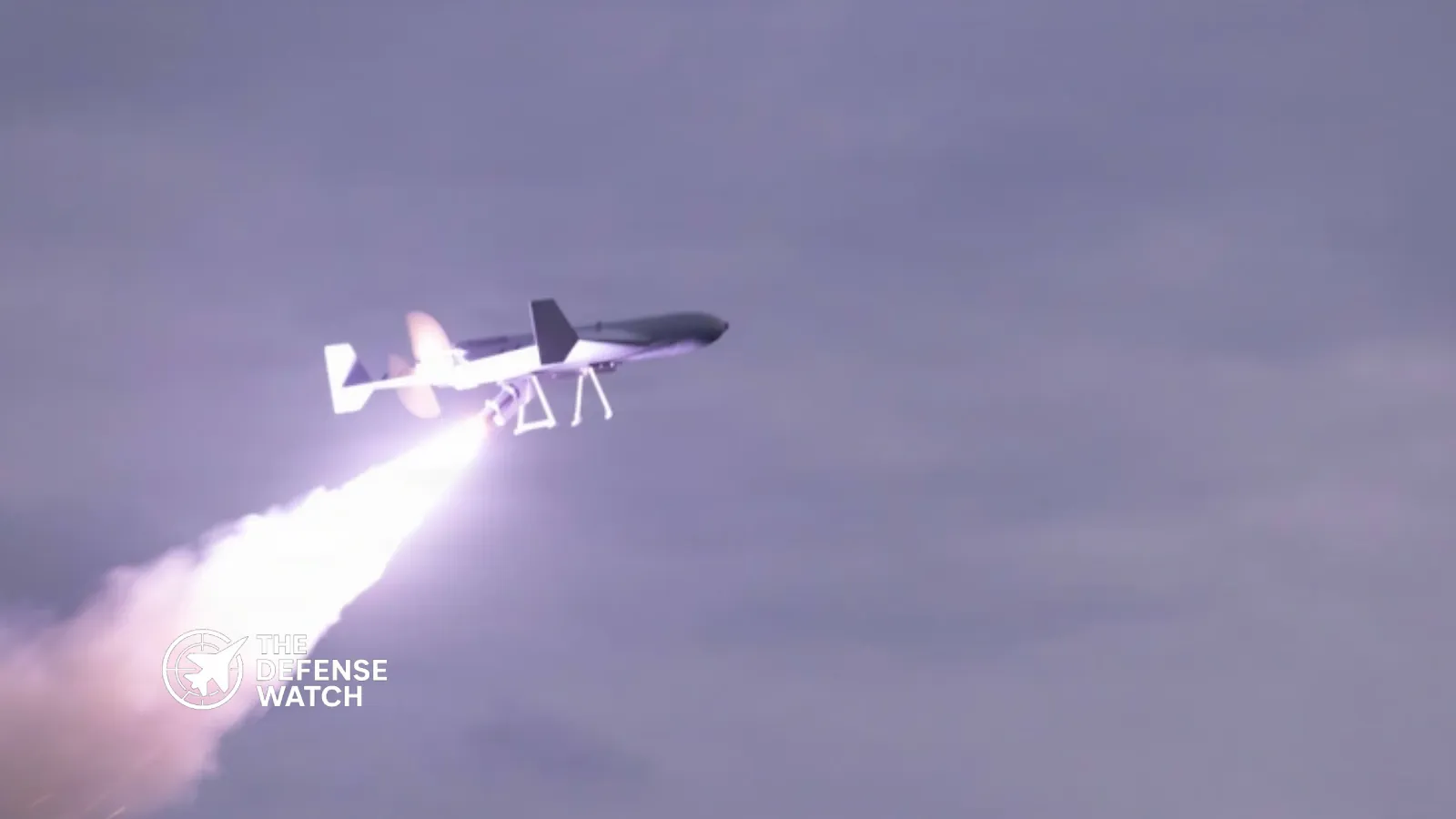
Germany has announced a major defense procurement deal worth €536 million ($638million) for strike-capable drones in 2026, according to Reuters reporting on February 10. The substantial investment marks a significant step in Germany’s ongoing military modernization efforts as European nations continue expanding defense capabilities amid evolving security challenges.
The armed unmanned aerial systems order represents one of Germany’s largest single drone acquisitions and signals Berlin’s commitment to developing long-range precision strike capabilities. European defense spending has accelerated dramatically since 2022, with Germany leading major procurement initiatives across multiple military domains.
Strategic Context Behind The Procurement
Germany’s decision to order strike drones worth over half a billion euros reflects broader European military transformation priorities. Armed drones provide extended surveillance capabilities, precision strike options, and reduced risk to personnel during military operations.
The procurement announcement comes as NATO allies increase defense budgets and accelerate modernization programs. Germany has committed to meeting and exceeding the NATO spending target of 2% of GDP on defense, with recent budgets showing substantial increases across all military branches.
Strike-capable unmanned aerial systems offer several operational advantages for modern militaries. These platforms can conduct intelligence, surveillance, and reconnaissance missions while maintaining the ability to engage time-sensitive targets. The extended loiter times and precision-guided munitions compatibility make armed drones valuable assets for both defensive and expeditionary operations.
Technical Capabilities And Requirements
While specific technical details about the drone systems ordered have not been publicly disclosed, modern strike drones typically feature:
Surveillance Systems: Advanced electro-optical and infrared sensors for day/night operations, synthetic aperture radar for all-weather capability, and signals intelligence collection equipment.
Weapons Integration: Compatibility with precision-guided munitions including laser-guided missiles, GPS-guided bombs, and anti-armor weapons systems.
Endurance: Flight times exceeding 20 hours for extended operational coverage and persistent surveillance capabilities.
Communication Systems: Secure satellite and line-of-sight data links enabling beyond-visual-range operations and real-time intelligence sharing.
The €536 million investment will likely include not only the drone platforms themselves but also ground control stations, training systems, maintenance equipment, and initial weapons stocks. Modern military drone programs require extensive supporting infrastructure to achieve full operational capability.
European Defense Industry Implications
Germany’s major drone order creates significant opportunities for European aerospace and defense manufacturers. Several companies compete in the armed unmanned aerial systems market, including both European and international suppliers.
European defense cooperation initiatives have emphasized developing indigenous military capabilities to reduce dependence on non-European suppliers. The strike drone procurement may align with broader European Union defense industrial strategies aimed at strengthening the continent’s defense technology base.
The contract award timing coincides with ongoing European defense consolidation efforts. Multiple NATO members are evaluating armed drone requirements, potentially creating opportunities for multi-national procurement programs that could reduce per-unit costs and improve interoperability.
Regional Security Environment
Germany’s military modernization acceleration reflects changing European security calculations. The substantial drone investment demonstrates Berlin’s commitment to developing full-spectrum military capabilities suitable for modern operational requirements.
NATO’s eastern flank has seen increased military activity and defense posture adjustments across multiple member states. Armed drones provide flexible response options for various contingencies, from border surveillance to crisis response operations.
European militaries increasingly view unmanned systems as essential components of integrated air-land operations. Strike drones complement manned aircraft, artillery systems, and ground forces by providing persistent surveillance and responsive precision fires.
Budget And Procurement Timeline
The €536 million procurement represents a significant portion of Germany’s defense modernization budget. German defense spending has increased substantially in recent years, with multi-year procurement plans covering aircraft, naval vessels, armored vehicles, and missile systems.
Defense contracts of this magnitude typically include phased delivery schedules spanning several years. Initial operational capability likely will be achieved with the first drone deliveries, with full operational capability following integration of complete systems and crew training.
Germany’s defense procurement agency manages complex acquisition programs through structured competitive processes. Major contracts undergo parliamentary budget committee review, ensuring transparency and oversight of significant defense expenditures.
Operational Integration Plans
Integrating new strike drone capabilities requires comprehensive planning across doctrine, training, and logistics domains. The German military will need to establish operational units, develop employment concepts, and create maintenance infrastructure.
Modern armed drone operations demand specialized personnel including pilots, sensor operators, intelligence analysts, and maintenance technicians. Training programs must be established to build and sustain the workforce necessary for sustained drone operations.
The German military will likely integrate strike drones with existing command and control systems, enabling seamless coordination with other military assets. Network-centric warfare concepts emphasize information sharing and collaborative engagement, requiring robust communications infrastructure.
International Cooperation Opportunities
Germany’s drone acquisition could facilitate enhanced NATO interoperability. Allied nations operating similar unmanned systems can share intelligence, coordinate operations, and develop common tactics, techniques, and procedures.
European defense cooperation frameworks increasingly emphasize capability development partnerships. Germany’s strike drone program may align with broader European initiatives in unmanned systems, potentially creating opportunities for technology sharing and joint operational concepts.
NATO’s Allied Ground Surveillance program and other alliance-wide capabilities demonstrate the value of collaborative approaches to major defense investments. Germany’s drone procurement may complement existing NATO unmanned aerial capabilities.
Technology And Innovation Focus
The strike drone market features rapid technological advancement across autonomy, sensors, communications, and weapons systems. Modern platforms incorporate artificial intelligence for target recognition, flight path optimization, and sensor fusion.
Next-generation military drones increasingly feature reduced observable characteristics, electronic warfare capabilities, and advanced networking functions. Germany’s procurement may include cutting-edge technologies that enhance operational effectiveness and survivability.
Defense innovation priorities increasingly emphasize software-defined systems that can be upgraded throughout their operational lives. Modern drone platforms feature modular architectures enabling capability improvements without requiring complete platform replacement.
Market Analysis And Future Procurement
The global military drone market continues expanding as nations recognize unmanned systems’ operational value. Market analysts project sustained growth in armed drone procurement across multiple regions, driven by evolving security requirements and technological advancement.
Germany’s €536 million commitment represents one component of broader European defense spending increases. Additional drone procurements by other NATO members may follow, potentially creating economies of scale for manufacturers and operators.
Future German defense budgets may include follow-on drone orders as initial capabilities are validated and operational concepts mature. Sustained investment in unmanned systems appears likely given their demonstrated effectiveness and versatility.
Get real time update about this post category directly on your device, subscribe now.
