Canada Advances Multi-Billion Dollar F-35 Acquisition
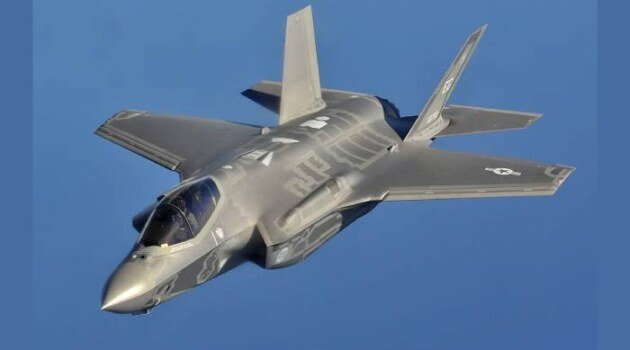
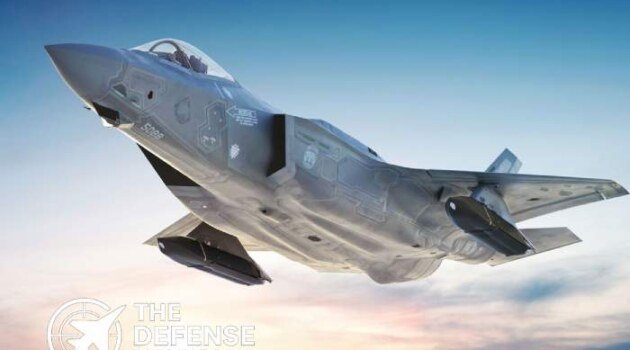
Canada has officially begun making payments for 14 additional F-35 Lightning II fighter jets as part of its comprehensive military aviation modernization program, according to official procurement documents released this week. The payment marks a significant milestone in Canada’s $19 billion commitment to acquire 88 fifth-generation stealth fighters, despite an ongoing fleet review and heightened tensions surrounding cross-border defense procurement.
The Royal Canadian Air Force’s F-35 program continues to advance following the initial delivery of aircraft under the 2022 contract, which represented one of the largest defense acquisitions in Canadian history. Defense analysts view the payment authorization as a clear signal that Ottawa remains committed to the F-35 platform despite political pressures and calls for procurement diversification.
Payment Schedule Advances Despite Comprehensive Review
The Canadian government has authorized initial payments for the 14 additional F-35A aircraft as part of the second production lot under the existing framework agreement with Lockheed Martin. According to procurement officials, the payment follows established protocols within the U.S. Foreign Military Sales program and aligns with Canada’s projected fleet delivery schedule extending through 2032.
The timing of the payment authorization coincides with an ongoing comprehensive review of Canada’s fighter fleet requirements, initiated in response to evolving threats in the Arctic region and changing defense partnership dynamics. Despite the review, government officials have emphasized that contractual obligations for aircraft already ordered will proceed as planned.
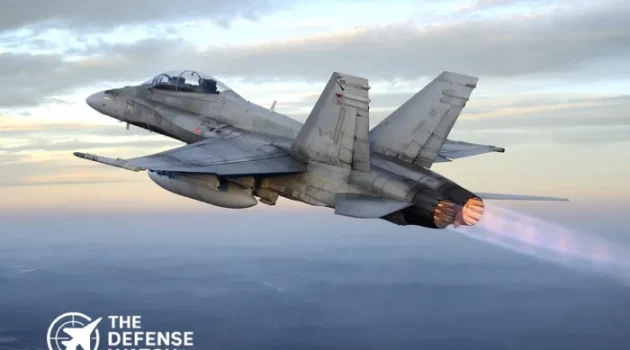
Canada’s total F-35 acquisition encompasses 88 aircraft with an estimated program cost of CAD $19 billion over the aircraft’s lifecycle, including associated weapons systems, infrastructure upgrades, and sustainment packages. The Royal Canadian Air Force plans to achieve initial operational capability with the F-35A by 2026, replacing the aging CF-18 Hornet fleet that has served since the 1980s.
Strategic Rationale Behind Continued Procurement
Defense experts point to several strategic factors driving Canada’s continued F-35 investment despite the ongoing fleet review. The aircraft’s advanced capabilities directly address emerging threats in the Arctic region, where increased Russian and Chinese military activity has heightened security concerns among North American Aerospace Defense Command (NORAD) partners.
The F-35A’s sensor fusion technology, low-observable stealth characteristics, and network-centric warfare capabilities provide significant operational advantages in contested airspace. These features align with Canada’s defense priorities outlined in the 2024 Defense Policy Update, which emphasizes maintaining technological superiority and interoperability with allied forces.
“The F-35 represents a generational leap in air combat capability,” stated a senior Royal Canadian Air Force official speaking on background. “The aircraft’s ability to operate in high-threat environments while maintaining situational awareness across multiple domains is essential for defending Canadian sovereignty and fulfilling our NORAD commitments.”
Cross-Border Defense Dynamics And Procurement Concerns
The F-35 payment authorization comes amid broader tensions in U.S.-Canada defense relations, particularly surrounding procurement processes and industrial participation. Canadian defense industry stakeholders have expressed concerns about workshare arrangements and technology transfer limitations within the F-35 program’s international partnership structure.
Canada joined the Joint Strike Fighter program as a Level 3 partner in 1997, contributing approximately $150 million to development costs. This partnership status theoretically provides Canadian aerospace companies access to production contracts and technology sharing opportunities. However, recent trade disagreements and shifting procurement policies have complicated industrial participation expectations.
The ongoing fleet review, announced in late 2025, examines whether Canada should pursue a mixed fleet strategy incorporating different aircraft types or maintain a single-platform approach with the F-35A. Some defense policy analysts have advocated for acquiring a smaller number of F-35s supplemented by less expensive fourth-generation fighters to maximize fleet size within budget constraints.
Industrial Participation And Economic Considerations
Canadian aerospace manufacturers have secured significant contracts through F-35 industrial participation, with companies providing components including landing gear systems, wing structures, and advanced materials. According to government estimates, Canadian industry has received over CAD $2 billion in F-35-related contracts since joining the partnership program.
However, concerns persist about long-term industrial benefits and technology sovereignty, particularly regarding maintenance, repair, and overhaul capabilities. The centralized F-35 sustainment model, which concentrates major maintenance activities at designated regional facilities, has raised questions about Canada’s ability to maintain operational independence during potential conflicts or supply chain disruptions.
Defense procurement specialists note that the payment for additional aircraft represents a calculated decision balancing immediate capability requirements against longer-term strategic autonomy concerns. The Royal Canadian Air Force requires operational fighters to replace retiring CF-18 Hornets on schedule, limiting options for significant program delays or alterations.
Arctic Security And NORAD Integration
The F-35 acquisition directly supports Canada’s Arctic defense strategy and NORAD modernization initiatives. The aircraft’s advanced sensors and communications systems integrate seamlessly with upgraded North Warning System radar installations and other continental defense infrastructure currently under development.
Recent Russian bomber incursions near Canadian Arctic airspace and increased Chinese interest in Arctic shipping routes have elevated the strategic importance of maintaining advanced air superiority capabilities in the region. The F-35A’s range, payload capacity, and environmental operating specifications make it particularly well-suited for Arctic operations where extreme weather conditions and vast distances challenge conventional aircraft.
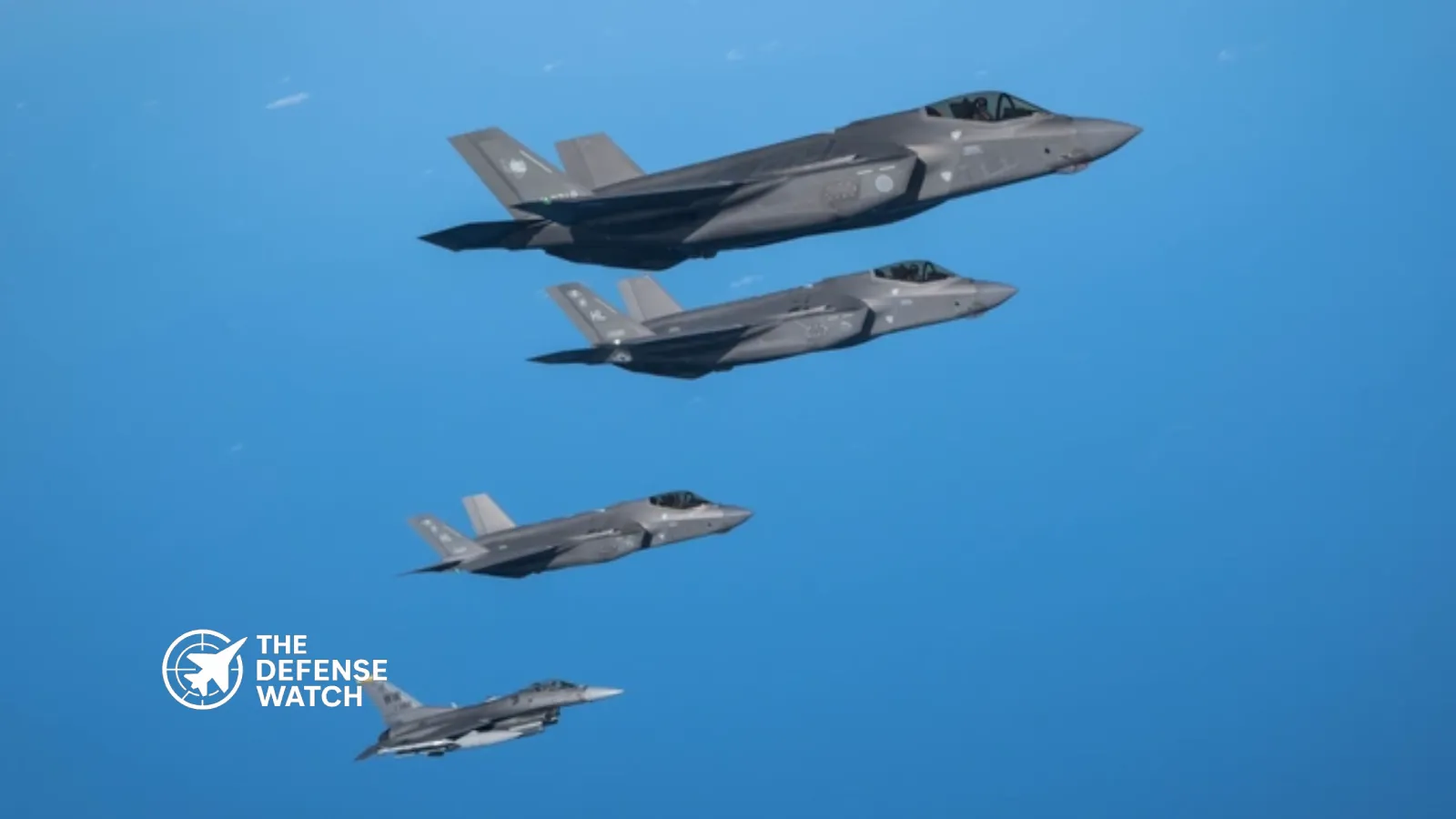
NORAD officials have emphasized the importance of capability alignment between U.S. and Canadian air forces to maintain effective integrated air defense across North America. The F-35 platform’s commonality with U.S. Air Force and Marine Corps variants facilitates joint training, shared logistics, and coordinated operational planning essential for continental defense missions.
Program Timeline And Delivery Schedule
Under the current acquisition schedule, Canada expects to receive F-35A aircraft at a rate of approximately 10-12 units annually beginning in 2026. The Royal Canadian Air Force has designated CFB Cold Lake in Alberta and CFB Bagotville in Quebec as primary operating bases for the new fighters, with extensive infrastructure modernization projects underway at both locations.
Initial operational capability, defined as having a minimum number of combat-ready aircraft with trained pilots and maintainers, is targeted for 2026. Full operational capability, achieved when all 88 aircraft are delivered and all operational requirements are met, is projected for approximately 2032-2034.
The payment for 14 additional aircraft represents production lots scheduled for delivery in the 2028-2029 timeframe, according to procurement planning documents. This advance payment structure aligns with Lockheed Martin’s production scheduling and allows the manufacturer to secure long-lead components and materials necessary for meeting delivery commitments.
Fleet Review Implications And Future Decisions
The ongoing fleet review, while not halting current procurement activities, could influence future orders beyond the initial 88-aircraft commitment. Some defense analysts have suggested Canada may ultimately require a larger fighter fleet to adequately cover its vast geography and diverse operational requirements, potentially necessitating additional aircraft purchases in future budget cycles.
Alternative scenarios under consideration include reducing the total F-35 acquisition to approximately 60-70 aircraft while supplementing with a different platform optimized for specific mission sets such as Arctic patrol or air policing. However, defense economists caution that operating multiple fighter types substantially increases lifecycle costs and training complexities.
The review process, expected to conclude in mid-2026, will examine threat assessments, technological developments, budgetary constraints, and alliance commitments before making recommendations on potential adjustments to the current acquisition plan. Government officials have stressed that any modifications would respect existing contractual obligations and avoid capability gaps during the CF-18 retirement process.
Budgetary Context And Fiscal Planning
Canada’s defense spending has faced renewed scrutiny following pressure from NATO allies to increase military expenditures toward the alliance’s two-percent GDP target. The F-35 program represents a substantial portion of planned defense capital investments over the next decade, competing with other modernization priorities including naval shipbuilding, ground force equipment renewal, and cyber capabilities development.
The Parliamentary Budget Officer has projected total F-35 program costs at CAD $77 billion over 40 years when including all acquisition, operations, sustainment, and infrastructure expenses. These figures significantly exceed initial government estimates, prompting ongoing debates about affordability and budget allocation priorities.
Defense budget analysts note that the payment authorization for additional aircraft indicates government confidence in securing necessary funding despite fiscal pressures. The multi-year procurement approach spreads costs across multiple budget cycles, making the program more politically sustainable while ensuring capability delivery remains on schedule.
International Context And Allied Procurement
Canada’s F-35 acquisition occurs within a broader context of allied nations modernizing fighter fleets with fifth-generation aircraft. European NATO members including Germany, Finland, and Switzerland have recently committed to F-35 purchases, while existing operators like the United Kingdom, Norway, and the Netherlands continue expanding their fleets.
This multinational procurement trend strengthens the F-35’s industrial base, potentially lowering unit costs through increased production volumes and extended manufacturing runs. Canadian defense officials view participation in this broader allied procurement movement as reinforcing interoperability and shared technological capabilities essential for coalition operations.
However, some defense policy experts question whether Canada’s delayed entry into full-scale F-35 procurement has resulted in missed opportunities for industrial participation and technology transfer compared to earlier adopting nations. The current payment for additional aircraft represents Canada’s effort to maintain its position within the international partnership despite these timing considerations.
Technological Capabilities And Operational Advantages
The F-35A variant selected by Canada incorporates advanced sensor systems, including the AN/APG-81 AESA radar, Distributed Aperture System providing 360-degree situational awareness, and Electro-Optical Targeting System for precision strike capabilities. These integrated systems provide pilots with unprecedented battlefield awareness and targeting precision unavailable in previous-generation fighters.
The aircraft’s stealth characteristics, achieved through careful shaping, specialized coatings, and internal weapons carriage, enable operations in contested airspace where conventional fighters would face unacceptable risk levels. This capability proves particularly valuable for missions requiring penetration of advanced integrated air defense systems or operations in electromagnetic warfare environments.
Network-centric warfare capabilities allow the F-35 to function as an information node, gathering and distributing tactical data across joint force elements. This sensor-to-shooter integration enhances overall force effectiveness beyond the individual aircraft’s direct combat contribution, multiplying the capabilities of legacy platforms operating in coordination with F-35s.
Supply Chain And Sustainment Considerations
The F-35’s global sustainment model, managed through the Autonomic Logistics Information System (ALIS) and its successor ODIN (Operational Data Integrated Network), provides centralized parts management, predictive maintenance, and fleet health monitoring. While offering efficiency advantages, this approach has raised concerns about operational sovereignty and dependency on U.S.-controlled logistics networks.
Canada is negotiating sustainment arrangements ensuring adequate spare parts inventory, maintenance capability, and technical support access to maintain operational availability rates required for defending Canadian airspace and fulfilling international commitments. These sustainment agreements represent a substantial portion of total lifecycle costs and require careful negotiation to balance cost efficiency with operational independence.
The payment for additional aircraft includes associated sustainment packages, ensuring newly delivered fighters have necessary support infrastructure from initial delivery. This integrated approach aims to avoid capability gaps and maintain fleet readiness throughout the operational lifecycle.
Get real time update about this post category directly on your device, subscribe now.