

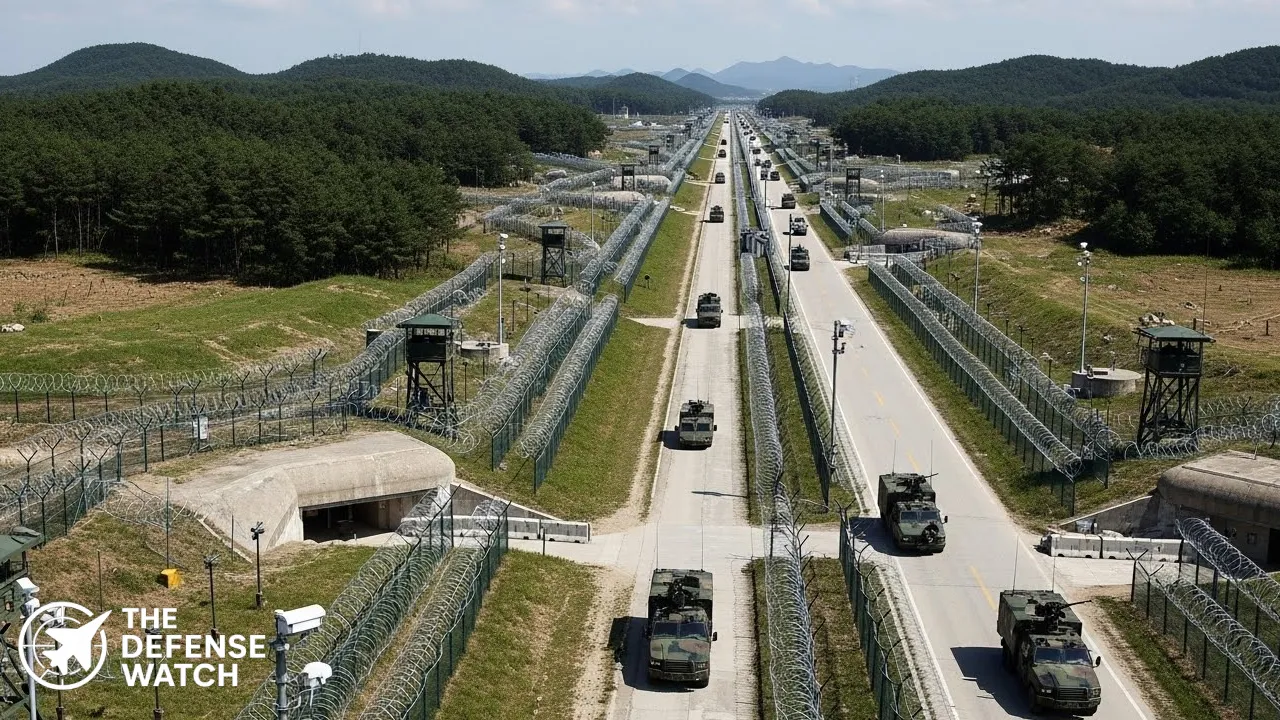
Growing Concerns Over a Potential Conflict
Strategic analysts, defense officials, and military observers are increasingly evaluating whether a war with North Korea could materialize soon, amid rising rhetoric, missile demonstrations, and deteriorating diplomatic channels across the Korean Peninsula. The question has gained renewed attention in 2025 as Pyongyang intensifies threats toward Seoul and Washington while accelerating weapons development and redefining its stance toward South Korea.
Shifts in North Korea’s Strategic Posture
North Korea’s leadership has recently signaled a more aggressive national doctrine, framing South Korea not as a counterpart for reunification but as a hostile foreign state. This shift has accompanied a heightened pace of missile tests, artillery drills near the maritime border, and claims of advancing tactical nuclear deployment. For policymakers, these actions have reset assumptions about deterrence stability and increased debate about the likelihood of a war with North Korea should an incident escalate unintentionally.
U.S. and South Korean Responses
The United States and South Korea have reacted with broader military cooperation, expanded exercises, and reinforced joint defense commitments. Washington has reiterated that extended deterrence remains intact, including nuclear-capable strategic support if required. Seoul has emphasized upgraded response doctrines and strengthened rules of engagement, particularly in border zones and sea boundaries where recent provocations have occurred.
Officials have underscored that while neither Washington nor Seoul seeks confrontation, readiness levels are being adjusted to deter sudden escalation. Analysts note that these moves are intended to prevent conflict rather than trigger it, though they also contribute to a more militarized atmosphere.
Missile Capabilities and Force Modernization
Pyongyang continues to prioritize missile development, including long-range ballistic systems, tactical nuclear assets, and potential solid-fuel capabilities that reduce launch detection time. These advancements complicate defense planning and increase uncertainty around reaction windows should hostilities erupt.
Regional defense experts caution that these developments make a war with North Korea more dangerous than in past decades due to the regime’s diversified strike options, including potential attacks on U.S. bases in Japan or Guam. Meanwhile, South Korea has accelerated indigenous defense modernization, including missile defense upgrades and counter-strike platforms.
Diplomatic Channels Remain Frozen
Negotiation frameworks remain stalled with no active diplomatic dialogue. The absence of communication mechanisms increases risks associated with miscalculations along the Demilitarized Zone or maritime boundary, where past incidents have triggered skirmishes. Without crisis hotlines or confidence-building measures, policymakers warn that even limited clashes could escalate rapidly.
Expert Assessments and Strategic Perspectives
Security researchers interviewed in recent assessments argue that a deliberate offensive by Pyongyang remains unlikely due to regime survival priorities. However, they warn that domestic pressures, leadership signaling, or perceived threats could prompt unpredictable behavior.
Think tank analysts highlight three primary drivers shaping the probability of a war with North Korea:
- Internal Regime Security Needs – leadership legitimacy and control
- Alliance Demonstrations – U.S.-South Korea military visibility
- External Actors – China’s stabilizing or permissive influence
Experts further note that ambiguity in command-and-control structures, combined with nuclear signaling, elevates risk even in absence of intent.
Regional Implications and Indo-Pacific Security
Neighboring states, including Japan and China, are closely monitoring developments. Tokyo has strengthened missile defense coordination and emergency preparedness, while Beijing has urged restraint, seeking to prevent conflict near its borders. A conflict on the peninsula would have far-reaching implications for trade routes, supply chains, regional alliances, and global economic stability.
What Comes Next
Defense officials and policy researchers agree that while immediate conflict is not inevitable, the strategic environment has become more volatile. The coming months will be shaped by:
- Continued military drills and counter-drills
- Monitoring of North Korean missile and nuclear activity
- Alliance posture statements and deterrence signaling
- Possible diplomatic outreach attempts through intermediaries
The overarching assessment remains that preventing a war with North Korea will depend on crisis management, credible deterrence, and renewed communication channels. Without these elements, risks associated with miscalculation and escalation will persist throughout 2025.

4 comments
[…] to Greenland while denying any Russian ambitions on the island. Markets reacted sharply to the renewed tensions, with global equities sliding and gold reaching record highs amid risk […]
[…] missile activity coincides with recent US statements indicating a reassessment of military posture on the Korean Peninsula. While US officials have emphasized continued alliance commitments, they have also signaled […]
[…] Night air assault training challenges crews to navigate complex terrain and maintain disciplined formation flying while avoiding known threats. Crews practiced route planning, terrain masking, and coordinated landings under simulated operational conditions that reflect the threat environment on the Korean Peninsula. […]
[…] has issued warnings against military escalation in the past, suggesting any U.S. attack could prompt a broader […]