
Iran Claims US Destroyers Were Hit
The claim that Iran attacks US destroyers successfully is not supported by available U.S. military evidence. Iran’s Islamic Revolutionary Guard Corps has claimed that its forces struck two U.S. Navy destroyers in retaliation for American attacks on Iranian oil tankers, but U.S. Central Command says Iranian missile attacks against American warships failed.
- Iran Claims US Destroyers Were Hit
- Takeaways
- No U.S. Warship Has Been Confirmed Hit
- US Has Destroyed Eight Iranian Oil Tankers In Four Days
- Tankers Linked To IRGC Financing Network
- Iran Retaliates Around Strait Of Hormuz
- Iran Also Fired Missiles At US Forces In Jordan
- Why The US Navy Destroyer Claims Matter
- US Retaliation Has Produced A Different Result
- What Happens Next
Takeaways
Iran claims it struck two U.S. Navy destroyers, but available U.S. military reporting shows that Iranian attacks failed and no U.S. warship has been confirmed hit.
The IRGC identified the American vessels as USS Delbert D. Black, DDG-119, and USS John Paul Jones, DDG-53, according to Iranian state media reports. Tehran claimed its ballistic missile attacks caused significant damage.
There is no independent evidence supporting that claim.
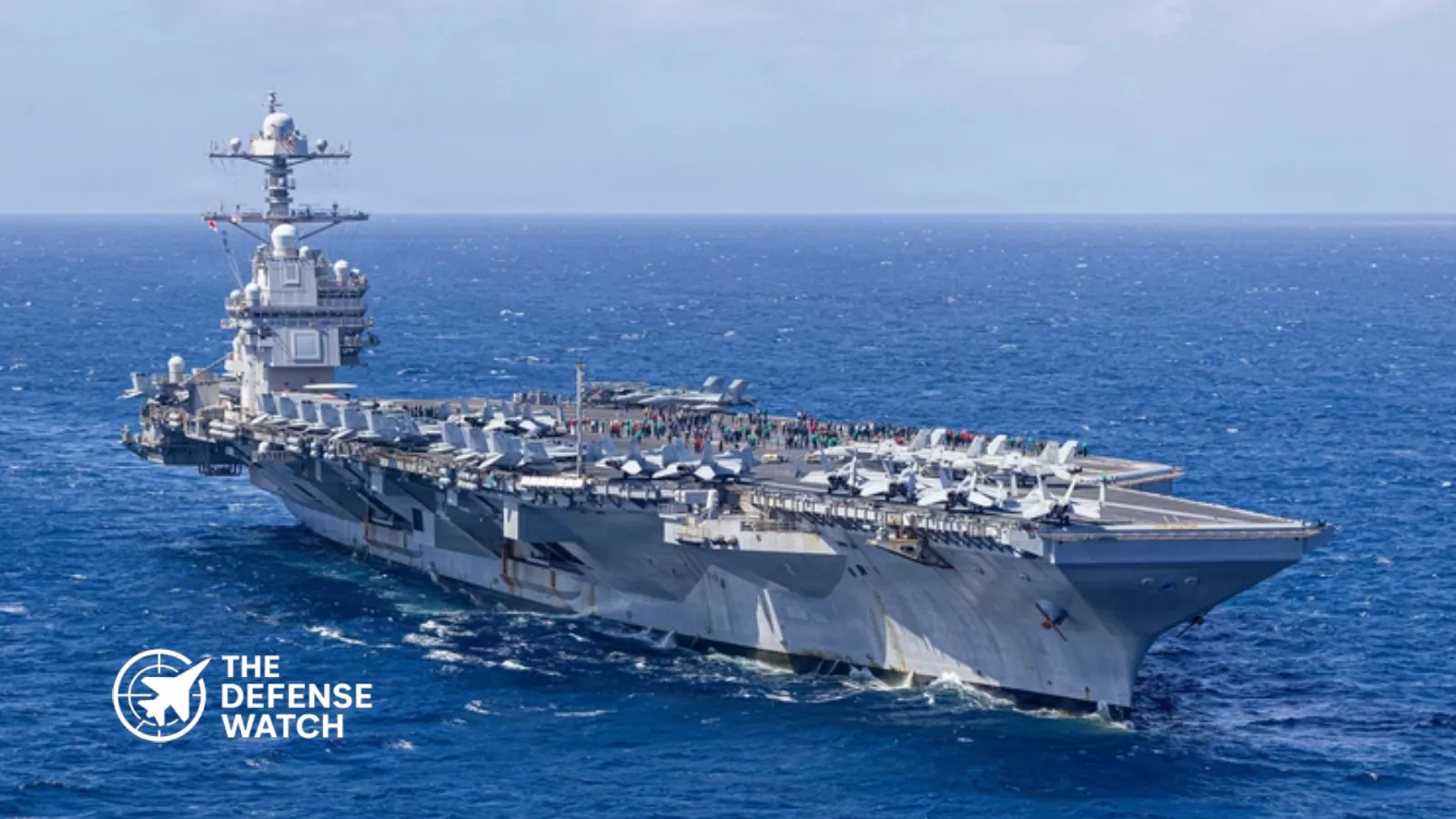
Instead, U.S. Central Command has repeatedly stated that Iranian attacks against U.S. Navy vessels were unsuccessful. On Sept. 5, CENTCOM said an American aircraft carrier and a guided-missile destroyer successfully evaded multiple Iranian ballistic missile attacks, with no American personnel injured.
On Sept. 8, CENTCOM reported another attempted Iranian missile attack against a U.S. Navy warship. The American vessel successfully evaded the attack and continued operating in regional waters. No U.S. personnel were harmed.
No U.S. Warship Has Been Confirmed Hit
The distinction between an attempted attack and a successful strike is critical.
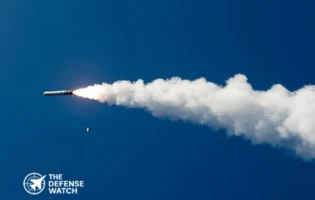
Iranian forces have launched ballistic missiles toward U.S. naval assets during the latest escalation. However, available U.S. military reporting indicates that the attacks failed to hit their intended targets.
CENTCOM’s Sept. 5 statement specifically said an American aircraft carrier and guided-missile destroyer evaded multiple attacks. The command subsequently destroyed three Iranian crude oil carriers in retaliation.
The latest U.S. operation on Sept. 8 followed another two attempted missile attacks against a U.S. Navy warship. Again, CENTCOM said the ship was not hit.
Reuters likewise reported that Iran had claimed attacks against two U.S. vessels, while U.S. officials said Iranian attacks against American warships had been ineffective.
As a result, the IRGC’s assertion that it successfully struck two U.S. destroyers should be treated as an unverified Iranian claim, not as a confirmed battlefield event.
US Has Destroyed Eight Iranian Oil Tankers In Four Days
While Iran claims to have damaged U.S. warships, the United States has carried out confirmed strikes against Iranian oil carriers.
CENTCOM said U.S. forces destroyed three Iranian crude oil carriers on Sept. 5 after the IRGC attempted to attack two U.S. Navy warships. The vessels were M/T Downy, M/T Stark 1 and M/T Kylo, also known as Noxen.
On Sept. 8, American forces destroyed another five Iranian crude oil carriers.
CENTCOM identified those vessels as M/T Kaviz, M/T Charminar, M/T Horizon 1, M/T Riesco and M/T Derya. Four were struck in the Gulf of Oman, while M/T Derya was attacked near Iran’s Kharg Island.
That brings the total reported by CENTCOM to eight Iranian oil tankers destroyed or rendered inoperable since Sept. 5.
The distinction matters because reports circulating online have referred to 10 Iranian tankers. Current CENTCOM material reviewed for this report supports a total of eight in the Sept. 5 and Sept. 8 operations.
Tankers Linked To IRGC Financing Network
Washington says the targeted vessels were not simply commercial ships caught in the fighting.
CENTCOM described the Iranian tankers as part of a multibillion-dollar shadow network used to generate revenue for the IRGC and its regional partners. The command said Iran has limited ability to protect the exposed oil fleet from U.S. military action.
The U.S. campaign therefore combines military retaliation with economic pressure.
The basic pattern has become clear. Iranian forces attempt to attack U.S. naval assets, while American forces respond by imposing costs on Iranian oil infrastructure and shipping connected to the IRGC.
That dynamic has turned commercial oil carriers into an increasingly important part of the military confrontation around the Strait of Hormuz.
Iran Retaliates Around Strait Of Hormuz
Iran has responded to the tanker strikes with attacks against shipping in the Gulf and around the Strait of Hormuz.
The IRGC claimed it attacked two American vessels and eight oil tankers after the U.S. strikes. Iranian forces also said they targeted additional vessels attempting to cross what Tehran described as a prohibited or unsafe area.
Those claims come as commercial shipping faces increasing danger in the region.
The United Kingdom Maritime Trade Operations agency reported that several merchant vessels in the northern Gulf and Gulf of Oman were hit by disabling fire during overnight military activity. UKMTO said it could not immediately confirm casualties or environmental consequences.
The incidents underline the widening risk to commercial shipping as the U.S. and Iran increasingly use maritime pressure as part of the conflict.
Iran Also Fired Missiles At US Forces In Jordan
The latest Iranian response was not limited to the maritime domain.
Iran launched ballistic missiles toward the Al Azraq area in Jordan following the U.S. tanker strikes. Jordanian authorities said most of the missiles were intercepted, while others fell in unpopulated areas. No casualties were reported in the initial accounts.
Iranian state media subsequently claimed damage to U.S. military facilities in Jordan.
Those claims also require careful attribution. The available reporting does not establish that Iran inflicted the level of damage claimed by Iranian authorities.
The broader pattern is nevertheless clear: Tehran is responding to U.S. pressure through a combination of missile attacks, maritime operations and threats against commercial shipping.
Why The US Navy Destroyer Claims Matter
The claim that Iran attacks US destroyers successfully would represent a major escalation if independently confirmed.
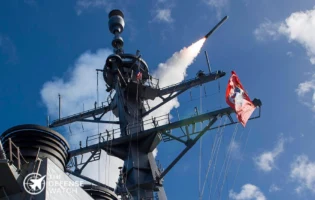
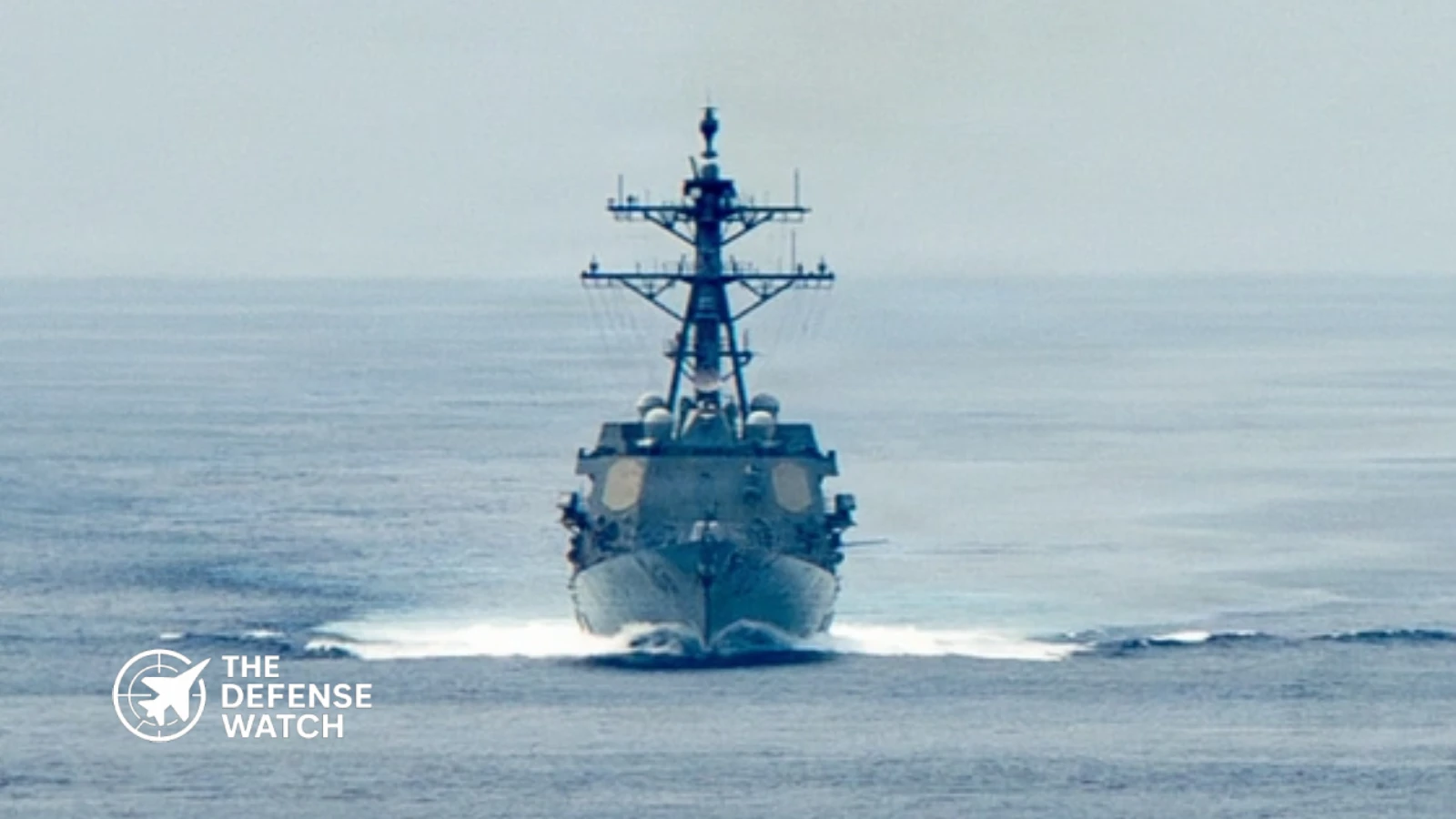
Arleigh Burke-class guided-missile destroyers are among the U.S. Navy’s principal surface combatants. They provide air defense, missile defense, anti-surface warfare and escort capabilities for larger naval formations.
Iran’s ability to launch ballistic missiles against these ships therefore remains a significant operational concern even when the attacks fail.
The available evidence, however, currently points to unsuccessful Iranian attacks rather than confirmed damage to U.S. warships.
This distinction is particularly important because battlefield claims can spread quickly during an active conflict. Images, videos and statements released by either side may not independently establish the outcome of an attack.
For TheDefenseWatch, the most defensible assessment is straightforward: Iran attempted to strike U.S. Navy warships, but no U.S. Navy warship has been confirmed struck in these incidents.
US Retaliation Has Produced A Different Result
The contrast between the two sides’ claims is notable.
Iran has claimed successful attacks against American naval vessels, while U.S. officials say those attacks failed.
At the same time, CENTCOM has released footage and official statements documenting American strikes against Iranian oil carriers. The command has confirmed three tanker losses from Sept. 5 and five more from Sept. 8.
That makes the latest exchange more than a conventional missile-for-missile confrontation.
It is also an economic battle focused on Iran’s oil-export capacity.
The United States is attempting to impose direct costs on a maritime network Washington says supports the IRGC, while Iran is attempting to make the waters around the Strait of Hormuz dangerous for U.S.-linked and commercial shipping.
What Happens Next
The immediate military question is whether Iran will attempt another attack against U.S. naval forces.
The maritime question is equally important.
The Strait of Hormuz remains one of the world’s most strategically important energy routes, and continued attacks on shipping could further reduce commercial traffic and increase pressure on global oil markets. Reuters reported that shipping activity through the strait has already fallen sharply amid the recent exchanges.
The latest incidents also demonstrate the limits of relying on battlefield claims alone.
Iran says it struck two U.S. destroyers. U.S. officials say Iranian attacks failed. Independent reporting has not established that any American destroyer was hit.
What is confirmed is that Iranian forces attempted attacks against U.S. naval assets and that U.S. forces subsequently destroyed eight Iranian oil tankers in operations announced by CENTCOM on Sept. 5 and Sept. 8.
For now, that is the clearest verified picture of the latest U.S.-Iran maritime confrontation.