North Korea Cruise Anti-Ship Missile Test Highlights Naval Expansion
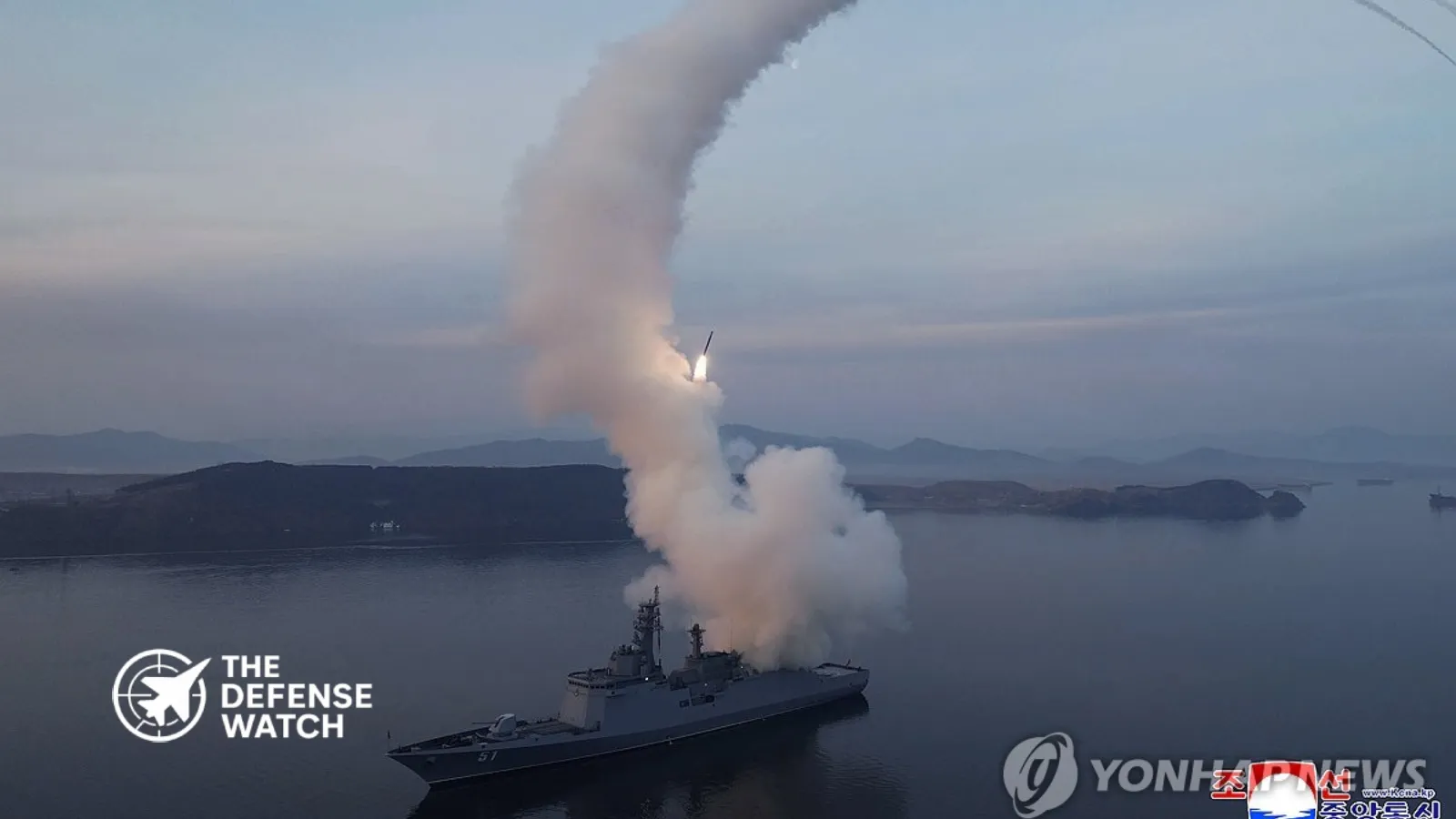
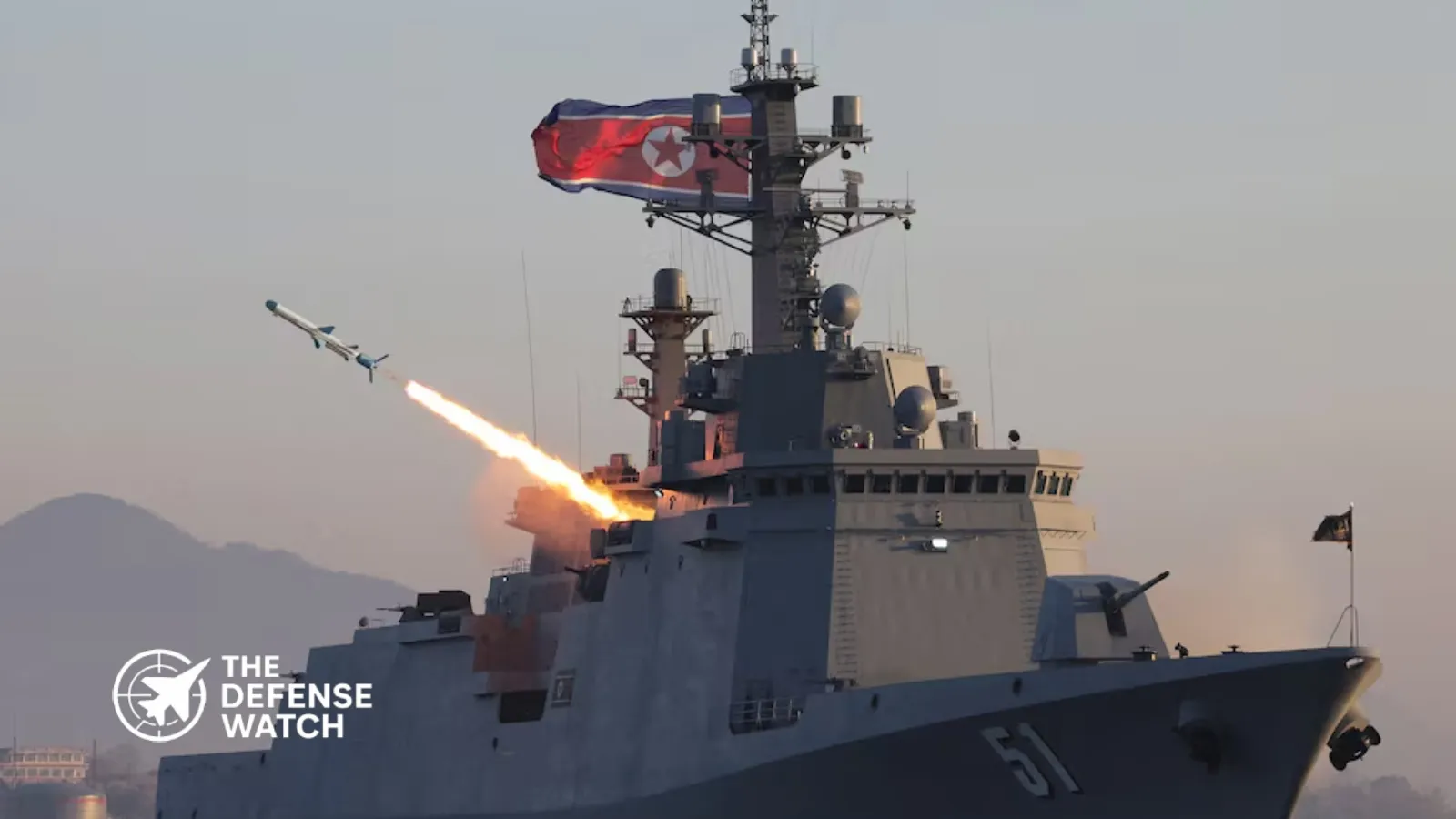
The North Korea cruise anti-ship missile program moved into focus again after Pyongyang confirmed a new series of launches from a naval destroyer, signaling a continued push to strengthen maritime strike capabilities.
The tests took place on April 13, with state media claiming the missiles successfully struck designated targets at sea. The launches were overseen by leader Kim Jong Un, reinforcing their political and strategic importance.
The latest North Korea cruise anti-ship missile test reflects a broader effort to modernize the country’s naval forces, which have traditionally lagged behind its ballistic missile and nuclear programs.
- North Korea conducted cruise anti-ship missile tests from a naval destroyer on April 13, 2026.
- The launches were reported by :contentReference[oaicite:0]{index=0}, citing state media in Pyongyang.
- The test demonstrates growing integration of precision-guided munitions into North Korea’s naval platforms.
- The missiles are designed to target enemy warships, enhancing maritime strike capabilities.
- The development comes amid rising tensions and continued weapons modernization in the Asia-Pacific region.
Naval Modernization Gains Momentum
The use of a destroyer as a launch platform marks a notable step in North Korea’s evolving naval doctrine. Historically focused on coastal defense and asymmetric tactics, the country is now showing signs of shifting toward more flexible maritime strike operations.
Cruise anti-ship missiles provide several operational advantages. They typically fly at low altitudes, making detection more difficult, and can be programmed to follow complex flight paths. This enhances their survivability against modern naval air defense systems.
By integrating such systems onto surface combatants, North Korea cruise anti-ship missile capabilities could extend beyond coastal waters, potentially complicating operations for regional naval forces.
Strategic Context In The Asia-Pacific
The test comes amid sustained military activity across the Asia-Pacific, where maritime security remains a key concern. North Korea’s weapons development continues alongside expanding naval capabilities in countries such as South Korea, Japan, and China.
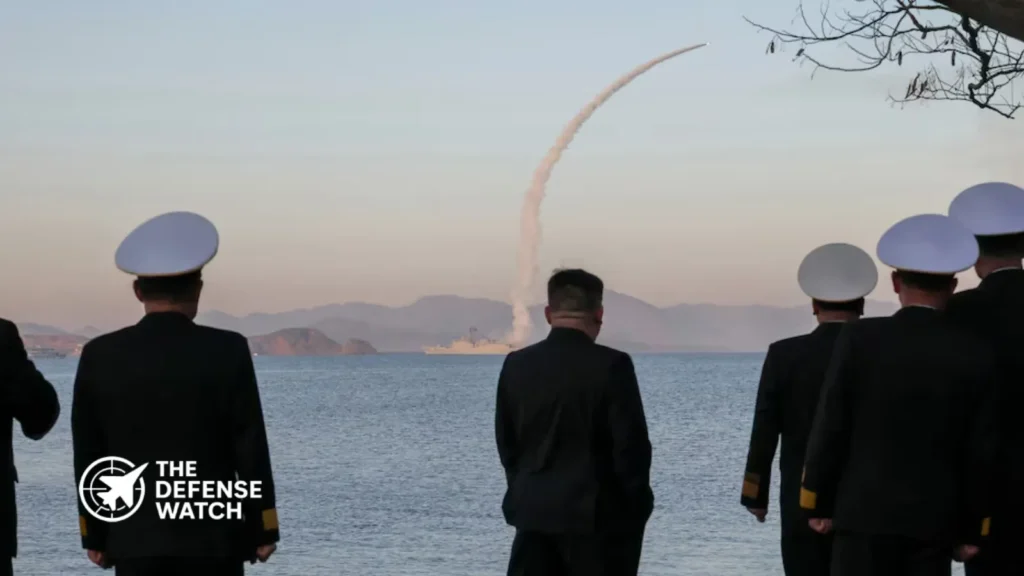
While Pyongyang has conducted multiple missile tests in recent years, the focus on naval platforms adds a new dimension. It suggests an intent to diversify delivery systems and increase operational flexibility.
From a strategic perspective, the North Korea cruise anti-ship missile program may aim to counter technologically superior adversaries by targeting high-value naval assets, including destroyers and carrier strike groups.
Operational Implications For Regional Forces
The introduction of more capable anti-ship cruise missiles could affect naval planning in the region. Even limited deployments can create challenges for maritime forces by increasing the risk envelope in contested waters.
Modern anti-ship missiles are designed to overwhelm defenses through speed, maneuverability, or coordinated attacks. If North Korea continues to refine these systems, regional navies may need to adapt their defensive postures, including enhanced surveillance, electronic warfare, and layered missile defense.
At the same time, analysts caution that North Korea’s naval capabilities remain relatively limited compared to major regional powers. The significance of the test lies less in immediate operational impact and more in long-term capability development.
Incremental Progress In Weapons Development
The North Korea cruise anti-ship missile test fits a pattern of incremental but steady advancements across multiple domains, including ballistic missiles, cruise systems, and tactical weapons.
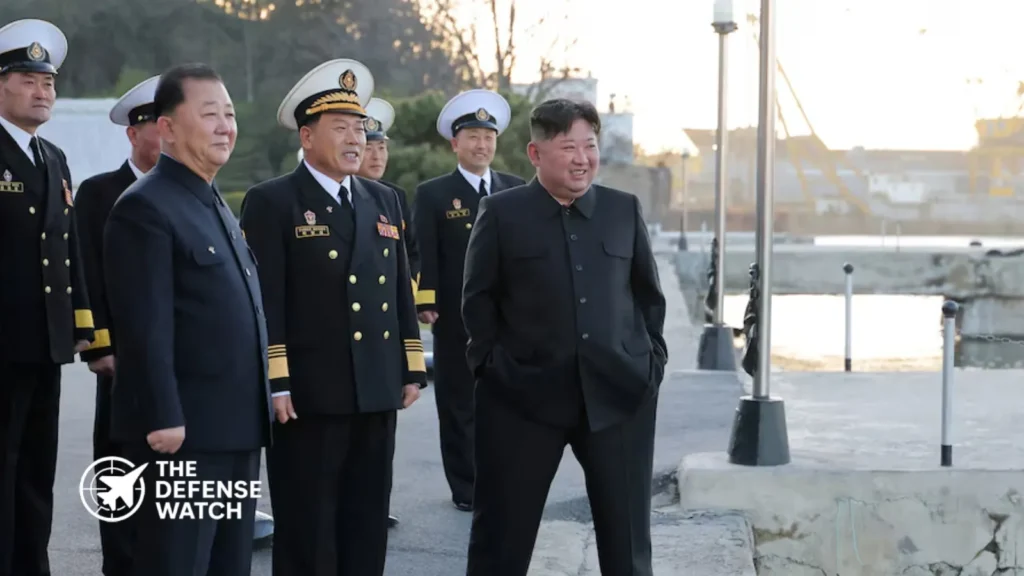
State media reports often emphasize success, but independent verification of performance details remains limited. Still, repeated testing suggests ongoing refinement and a focus on reliability.
This approach aligns with North Korea’s broader strategy of developing a diversified arsenal that can present multiple challenges to adversaries.
Outlook
While the immediate military balance is unlikely to shift dramatically, the continued evolution of North Korea’s naval strike capabilities warrants close monitoring.
The integration of cruise anti-ship missiles into operational platforms indicates a more mature approach to maritime warfare. Over time, this could expand Pyongyang’s options in both deterrence and conflict scenarios.