Pakistan Mudamir LR AI Drone Strengthens Maritime Strike Capabilities
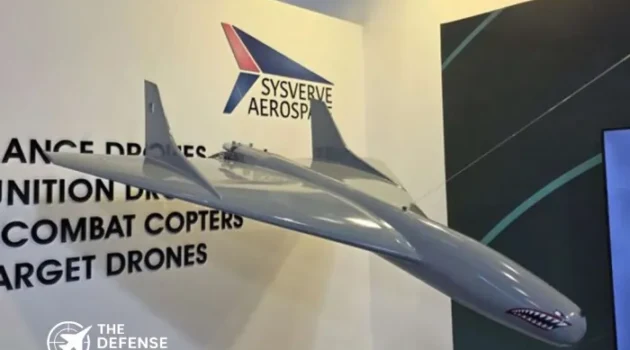
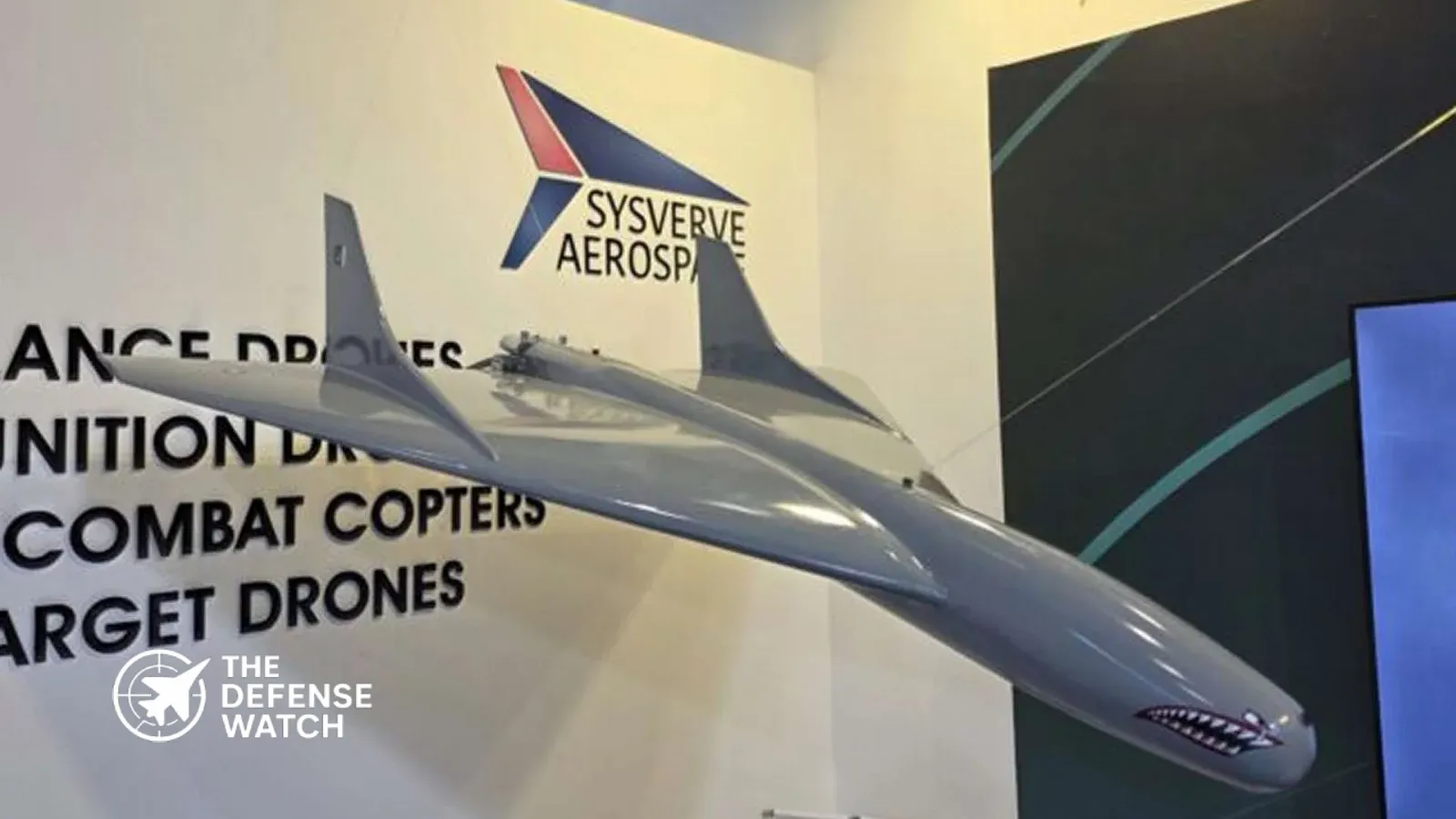
Pakistan Mudamir LR AI drone marks a significant step in the country’s evolving unmanned warfare strategy, introducing a long-range, AI-guided platform designed for maritime strike and sea denial missions.
The Mudamir LR is designed to operate at ranges of up to 600 kilometers, enabling deep-strike capability against naval targets while remaining outside traditional defensive envelopes. The system reflects Pakistan’s growing emphasis on autonomous systems in contested maritime environments.
- Pakistan has unveiled the Mudamir LR, an AI-guided naval strike drone with a reported range of 600 kilometers.
- The system is designed for sea denial missions targeting enemy surface vessels in contested maritime zones.
- Mudamir LR integrates artificial intelligence for autonomous navigation and target engagement.
- The drone enhances Pakistan’s ability to conduct stand-off maritime strikes without risking manned platforms.
- The development reflects broader global trends toward unmanned and AI-enabled naval warfare systems.
A New Layer in Pakistan’s Maritime Strategy
The Pakistan Mudamir LR drone is positioned as a force multiplier for naval operations, particularly in the Arabian Sea where maritime competition continues to intensify. With a 600 km operational range, the system allows Pakistan to project strike capability far beyond its coastline.
Unlike conventional anti-ship missiles, the Mudamir LR introduces persistence and adaptability. Its AI-enabled guidance system is designed to improve target identification and navigation in complex environments, potentially reducing reliance on external guidance systems such as GPS in contested scenarios.
This aligns with a broader doctrinal shift toward distributed lethality, where smaller, unmanned platforms can impose disproportionate costs on larger naval assets.
AI Integration and Operational Flexibility
A defining feature of the Pakistan Mudamir LR drone is its use of artificial intelligence for mission execution. While specific technical details remain limited, AI integration typically supports functions such as autonomous flight path optimization, threat avoidance, and terminal targeting.
In operational terms, this could allow the drone to adapt mid-mission, respond to dynamic threats, and maintain effectiveness in electronic warfare environments. These capabilities are increasingly relevant as modern naval battlefields become more contested and sensor-dense.
The use of AI also suggests a move toward reducing operator workload and enabling scalable deployment of unmanned systems in swarm or coordinated attack roles, although no such capability has been officially confirmed.
Expanding Sea Denial Capabilities
The Pakistan Mudamir LR drone appears tailored for sea denial missions, a strategy focused on restricting an adversary’s freedom of movement rather than achieving full maritime control.
By combining long range with autonomous targeting, the drone can threaten high-value naval assets such as frigates, destroyers, or logistics vessels. This creates operational uncertainty for adversaries and forces them to allocate additional resources to counter unmanned threats.
From a cost perspective, such systems can offer a more economical alternative to traditional naval strike platforms, allowing for greater force distribution and resilience.
Regional and Global Context
The unveiling of the Pakistan Mudamir LR drone comes amid a global surge in unmanned maritime strike systems. Countries including the United States, China, and Iran have all accelerated development of UAVs and unmanned surface vessels for naval warfare.
In South Asia, maritime competition is increasingly shaped by long-range precision strike capabilities and surveillance systems. Pakistan’s investment in AI-enabled drones suggests a focus on asymmetric capabilities to offset conventional naval imbalances.
This development also reflects lessons learned from recent conflicts, where drones have demonstrated effectiveness in both reconnaissance and strike roles against naval and land-based targets.
Operational Implications
The introduction of the Pakistan Mudamir LR drone could alter tactical planning in regional maritime operations. Its range allows it to operate from inland or coastal launch sites while still reaching key sea lanes and chokepoints.
For naval forces operating in the region, this increases the need for layered air defense systems capable of detecting and intercepting low-observable UAVs. It also underscores the growing importance of electronic warfare and counter-drone technologies.
While the full capabilities of the system remain undisclosed, its introduction signals a clear intent to expand unmanned strike options within Pakistan’s naval doctrine.