Trump Iran Ceasefire Halts Six-Week War — Strait of Hormuz to Reopen as Diplomacy Enters Critical Phase
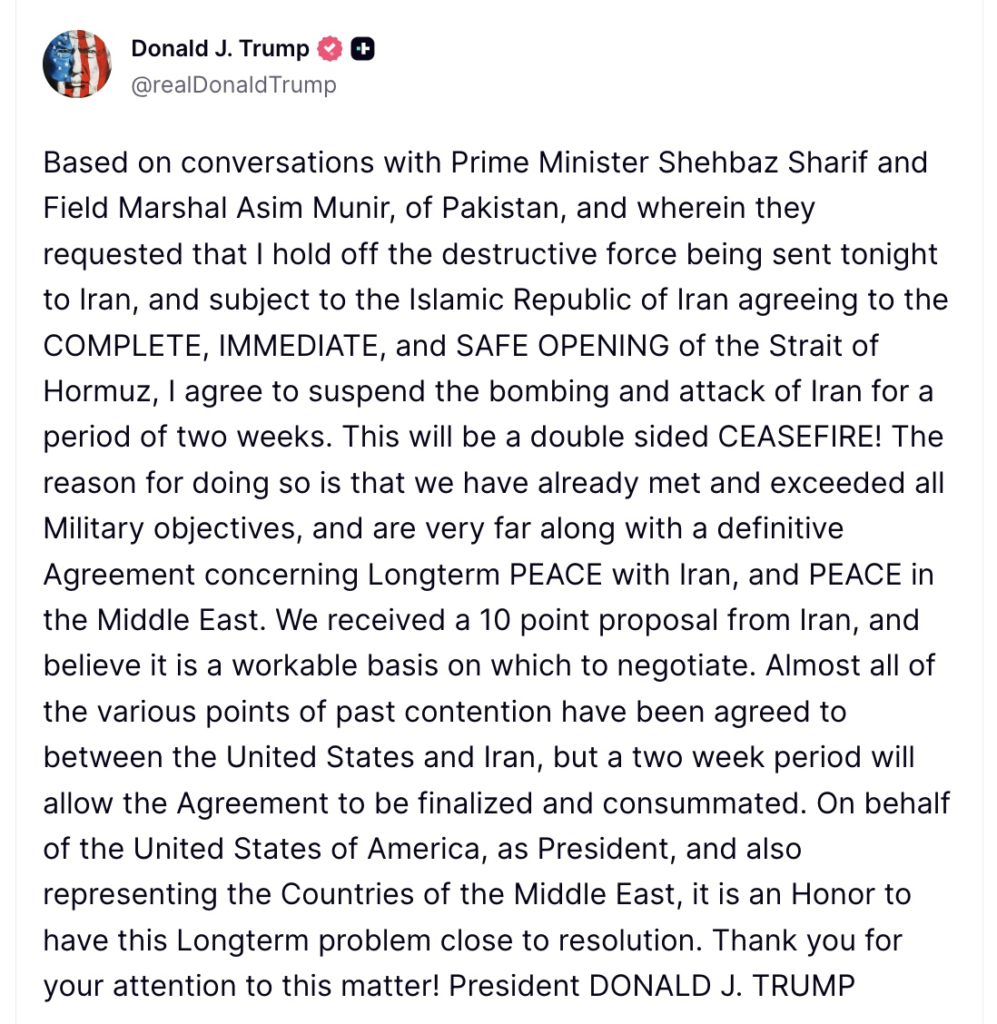
The Trump Iran ceasefire announced on April 7, 2026, marks the most significant diplomatic development in a conflict that has already reshaped global energy markets and threatened to trigger a broader Middle East war. President Trump agreed to suspend U.S. bombing operations against Iran for two weeks — conditioned on Tehran fully reopening the Strait of Hormuz — following direct mediation by Pakistani Prime Minister Shehbaz Sharif.
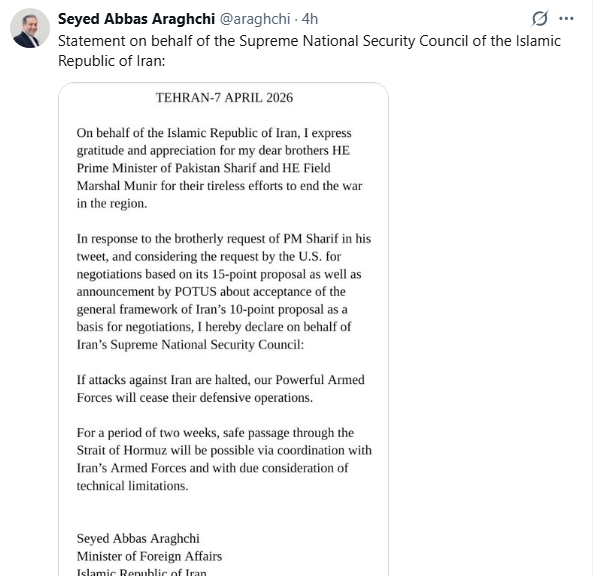
Iran’s Supreme National Security Council confirmed acceptance of the ceasefire. Iranian Foreign Minister Abbas Araghchi stated that safe passage through the strait would be permitted for two weeks in coordination with Iran’s armed forces.
- President Trump announced a two-week ceasefire with Iran on April 7, 2026, suspending U.S. and Israeli strikes in exchange for Iran fully reopening the Strait of Hormuz.
- Pakistan served as the primary mediator, with Prime Minister Shehbaz Sharif proposing the pause and Vice President JD Vance leading the U.S. negotiating delegation.
- Iran submitted a 10-point peace proposal that Trump called a “workable basis” for a larger agreement, with formal talks scheduled for Friday in Islamabad.
- The six-week war has caused Gulf states to collectively shut in an estimated 7.5–9.1 million barrels per day of crude output, triggering a global energy crisis and projected U.S. gas prices of $4.30 per gallon.
- Iran retains over 450 kg of 60% enriched uranium — sufficient for an estimated nine to eleven nuclear weapons — making the nuclear dimension the most critical unresolved issue in any final agreement.
The Big Picture
The conflict began on February 28, 2026, when the United States and Israel launched coordinated military operations targeting Iran’s nuclear infrastructure, military leadership, and key military installations. Iran closed the Strait of Hormuz in response, triggering a historic global oil supply shock that sent energy prices soaring.
The Energy Information Administration sharply raised its oil, gasoline, and diesel price forecasts for 2026 and 2027, projecting U.S. gas prices to peak near $4.30 per gallon this month. Gulf states including Saudi Arabia, Kuwait, the UAE, Qatar, and Bahrain collectively shut in an estimated 7.5 million barrels per day of crude production in March, a figure the EIA projected would rise to 9.1 million barrels per day in April.
The economic fallout escalated pressure on both Washington and Tehran to pursue a diplomatic exit. The ceasefire, however fragile, represents the first operational pause in a war that has already reshaped the strategic balance in the Persian Gulf.
What’s Happening
Trump posted on Truth Social that he would “suspend the bombing and attack of Iran for a period of two weeks,” subject to Iran agreeing to the “complete, immediate, and safe opening of the Strait of Hormuz.” He stated that the U.S. had “already met and exceeded all military objectives” and was “very far along” with a definitive longer-term agreement.
Iran submitted a 10-point peace proposal that Trump described as a “workable basis on which to negotiate,” adding that “almost all of the various points of past contention” had been agreed to.
Pakistan’s ceasefire proposal was mediated by Prime Minister Shehbaz Sharif, and a Pakistani government source confirmed that Vice President JD Vance is serving as the U.S. interlocutor in the talks. Formal peace negotiations are expected to begin Friday in Islamabad.
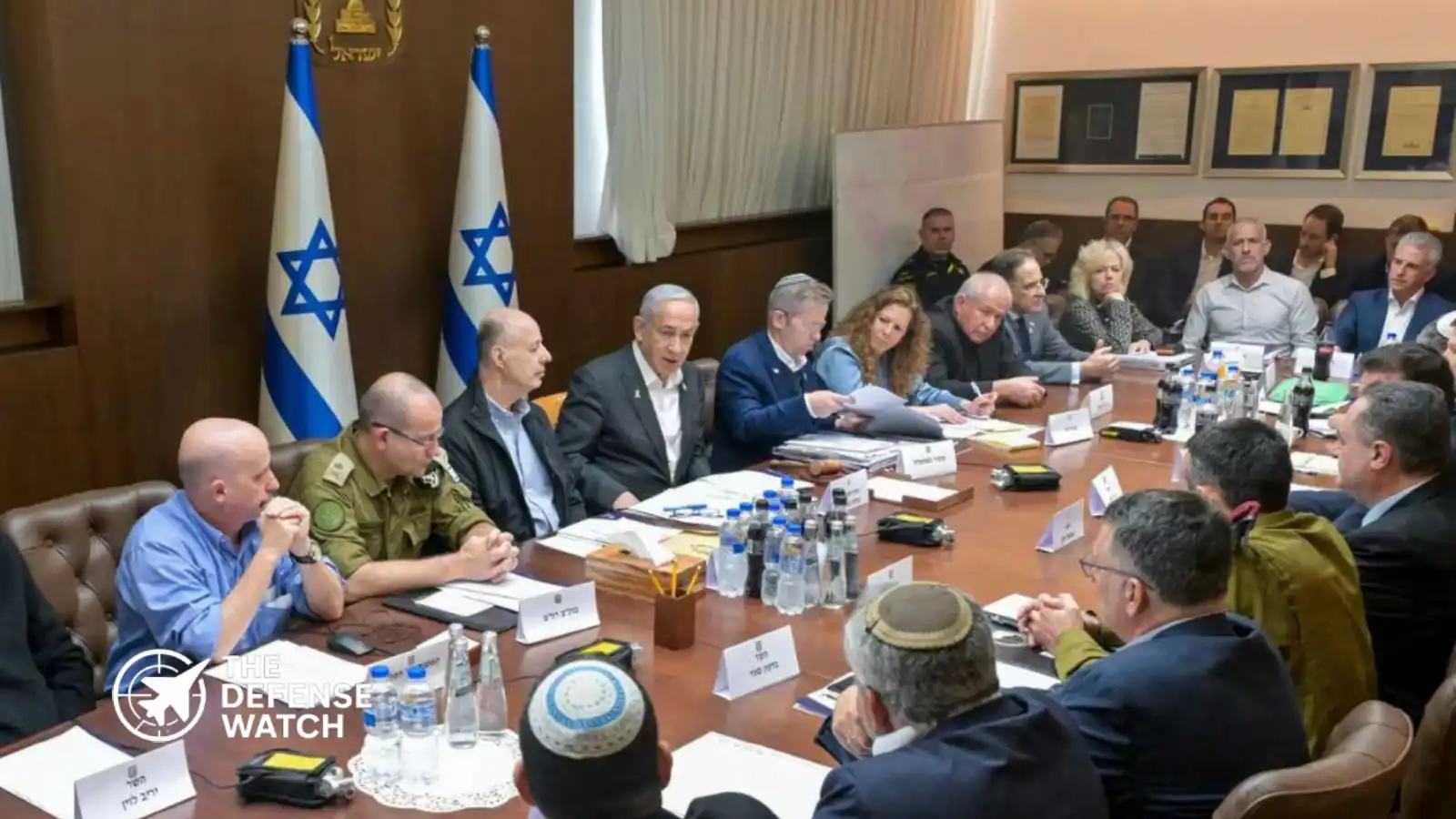
Israel agreed to the ceasefire and will also suspend its strikes. Pakistan’s prime minister indicated the ceasefire would extend to Lebanon, where Israel has been conducting military operations — a provision that could present political difficulties for Israeli Prime Minister Benjamin Netanyahu.
Why It Matters
The ceasefire temporarily removes the immediate threat of large-scale strikes on Iranian civilian infrastructure, including power plants and bridges — attacks that international legal experts warned could constitute war crimes under the laws of armed conflict.
More critically, the diplomatic pause creates a window to address the core strategic driver of the conflict: Iran’s nuclear program.
According to March 2026 intelligence assessments referenced in open-source reporting, Iran possesses over 450 kg of 60% enriched uranium — sufficient material for an estimated nine to eleven nuclear weapons — with a breakout timeline now measured in days rather than months or years.
This figure represents the central challenge for any durable agreement. A ceasefire that does not produce verifiable constraints on Iran’s enrichment program simply defers the most dangerous dimension of the crisis. The two-week window is operationally tight for resolving a dispute of this complexity.
Strategic Implications
The ceasefire carries significant implications across multiple strategic dimensions.
Energy security. The EIA projects that Middle East oil production shut-ins will not return close to pre-conflict levels until late 2026, even if the strait reopens promptly. Two weeks of diplomatic progress will not immediately reverse the supply shock. The U.S. military and its allies face pressure to prevent any resumption of hostilities that would re-close the waterway.
Nuclear deterrence. The Trump administration previously demanded that Iran completely dismantle its nuclear and missile programs — a position Iran explicitly rejected. During earlier nuclear negotiations, the Trump administration pressed Iran to completely dismantle its nuclear and missile programs, a demand that Iran refused. Whether Iran’s 10-point proposal includes verifiable enrichment restrictions or a dismantlement pathway remains undisclosed. This ambiguity is the central fault line in the Islamabad talks.
Regional stability. Iran has threatened to ask its Houthi allies in Yemen to block the Bab el-Mandeb waterway if the situation escalates further. A failed negotiation would risk both the Strait of Hormuz closing again and a secondary chokepoint blockade — a combination that would effectively sever global energy supply chains through the Red Sea and the Persian Gulf simultaneously.
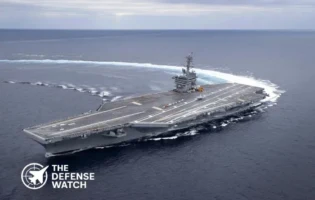
U.S. force posture. The ceasefire buys U.S. Central Command operational breathing room. Six weeks of sustained strike operations have placed significant demands on carrier strike groups, long-range bomber assets, and logistics infrastructure in the region. A diplomatic pause allows the U.S. military to consolidate, assess battle damage, and prepare contingency options if talks collapse.
Competitor View
China and Russia have actively complicated U.S. diplomatic objectives throughout the conflict. China and Russia vetoed a UN Security Council resolution aimed at reopening the Strait of Hormuz. Both powers have strategic interests in prolonging a conflict that ties down U.S. military assets, disrupts Western energy supplies, and demonstrates the limits of American power projection in the Middle East.
Beijing, in particular, benefits from any outcome that weakens U.S. credibility as a regional security guarantor. Gulf Arab states that depend on U.S. security commitments are watching the Iran negotiations closely. A failed deal that allows Iran to retain a near-nuclear status while the war ends would represent a significant strategic setback for American deterrence architecture in the Indo-Pacific as well — signaling that the U.S. can be deterred from enforcing non-proliferation red lines.
Russia’s calculus is similarly opportunistic. Any prolonged diplomatic engagement that distracts Washington from European security and NATO reinforcement directly serves Moscow’s interests in Ukraine and Eastern Europe.
What To Watch Next
The Islamabad talks beginning Friday represent the first structured direct negotiation between Washington and Tehran since the war began. Several operational milestones will determine whether the ceasefire holds or collapses.
The most immediate test is whether the Strait of Hormuz remains fully open for the duration of the two-week period. Any incident — whether an Iranian naval provocation, a Houthi strike on a tanker, or a unilateral Israeli action — could rapidly unravel the agreement.
The substance of Iran’s 10-point proposal will be the decisive variable at the table. If Tehran’s terms include a suspension of enrichment above 20% and access for IAEA inspectors, a framework agreement is achievable. If Iran insists on retaining its current enrichment infrastructure while demanding sanctions relief and reconstruction guarantees, the gap will prove unbridgeable in two weeks.
The Trump administration has maintained that its position requires Iran to halt all uranium enrichment — a stance the White House had not consistently maintained during earlier rounds of negotiations. Whether this remains a firm red line or a negotiating position will define the Islamabad outcome.
Capability Gap
The ceasefire exposes a persistent gap in U.S. strategic planning: the absence of a viable coercive framework that can simultaneously degrade an adversary’s military capabilities, sustain allied cohesion, manage global economic blowback, and produce a verifiable diplomatic resolution — all within a compressed timeline.
The six-week campaign successfully targeted Iran’s nuclear infrastructure, military leadership, and key military installations. Trump has acknowledged that despite Iran’s military being heavily degraded, Tehran still controls ship traffic through the strait — demonstrating that kinetic superiority does not automatically translate into strategic leverage over critical chokepoints.
The broader lesson for U.S. defense planners is operational: military pressure alone cannot reopen a maritime chokepoint controlled by a state willing to accept substantial military punishment. Economic coercion and energy market disruption proved to be Iran’s most effective asymmetric tool, more consequential in the short term than its direct military capabilities.
The Bottom Line
The Trump Iran ceasefire buys two weeks to determine whether a militarily degraded but diplomatically resolute Tehran will trade its nuclear leverage for reconstruction and sanctions relief — or whether this pause simply delays a more dangerous second phase of a war with no clear endgame.