

RAF Typhoon Jets Strike ISIS Targets In Syria
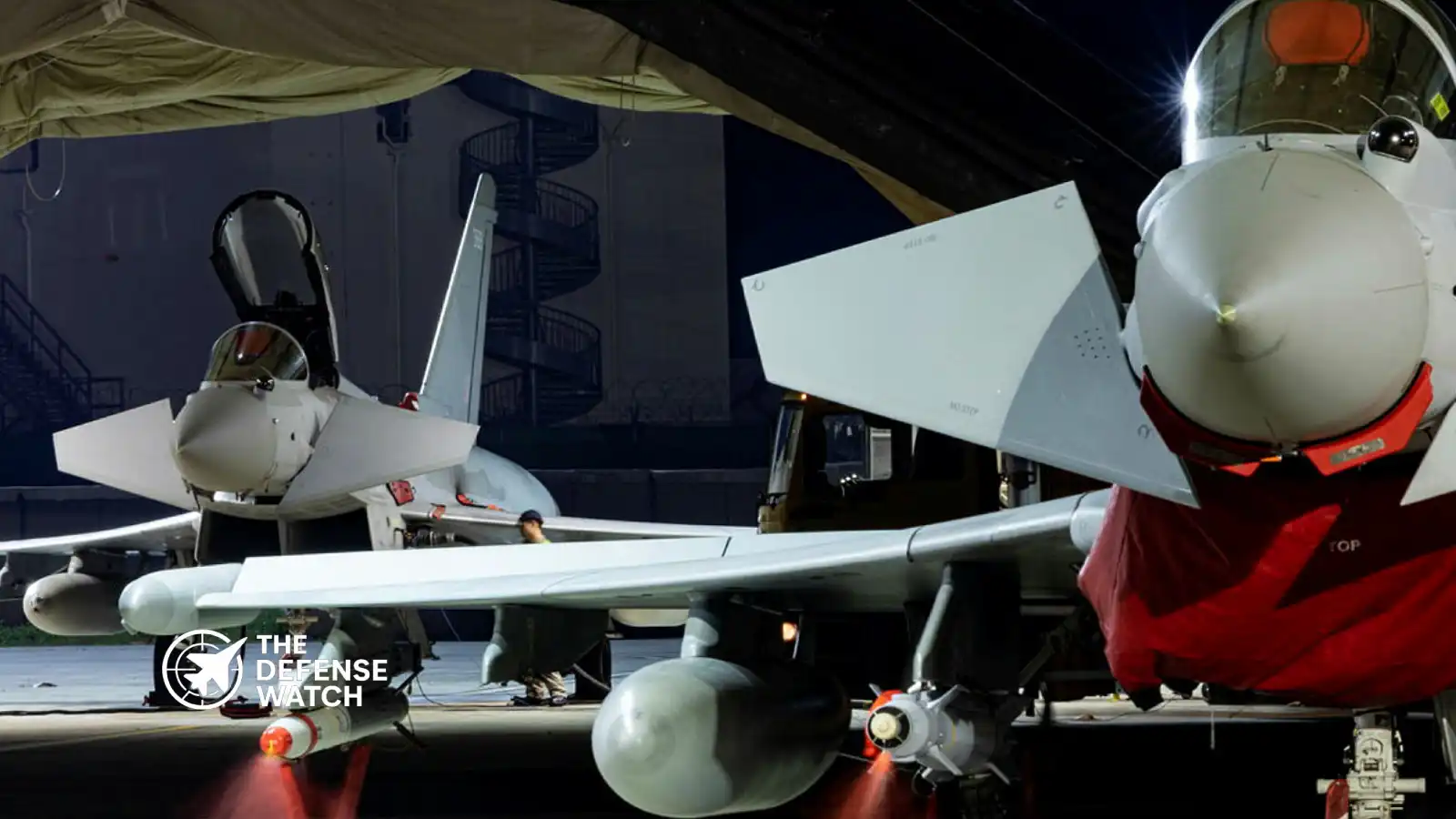
RAF Typhoon jets Syria strikes have intensified as the United Kingdom continues its role in coalition operations targeting ISIS remnants in the region. British Typhoon fighter aircraft carried out precision airstrikes against identified militant positions in Syria, reinforcing ongoing efforts to suppress the group’s operational capabilities.
The strikes were conducted using precision-guided munitions, reflecting a continued emphasis on minimizing civilian harm while targeting high-value ISIS infrastructure. The operation forms part of the broader US-led coalition campaign that has been active in Syria and Iraq for years.
- RAF Typhoon jets conducted precision airstrikes against ISIS targets in Syria.
- The strikes were part of the US-led coalition campaign to counter remaining ISIS elements.
- Aircraft were armed with precision-guided munitions to minimize collateral damage.
- The operation highlights continued UK military involvement in Middle East counterterrorism missions.
- ISIS remnants remain active in remote regions despite the collapse of its territorial control.
Precision Strike Capability In Focus
The RAF Typhoon jets Syria strikes demonstrate the aircraft’s multi-role combat capability, particularly in ground attack missions. Originally designed for air superiority, the Typhoon has evolved into a highly capable strike platform equipped with advanced targeting systems and guided weapons.
In this operation, the aircraft likely employed systems such as Paveway IV precision-guided bombs, which allow for accurate engagement of targets even in complex environments. These capabilities are critical in Syria, where ISIS fighters often operate in dispersed cells and remote terrain.
The continued use of Typhoon aircraft in these missions underscores the RAF’s reliance on flexible, high-performance platforms that can adapt to both air-to-air and air-to-ground roles within the same deployment cycle.
Strategic Context: Persistent ISIS Threat
Despite the territorial defeat of ISIS in 2019, RAF Typhoon jets Syria strikes highlight a key reality. The group remains active as an insurgent force. It continues to exploit ungoverned spaces, particularly in eastern Syria, to regroup, recruit, and conduct attacks.
Coalition forces, including the United States and United Kingdom, have maintained a persistent presence to prevent ISIS from re-establishing control. Airpower remains a central component of this strategy, offering rapid response capabilities against emerging threats.
The UK’s participation signals ongoing commitment to counterterrorism operations in the Middle East, even as global defense priorities shift toward near-peer competition.
Operational Integration With Coalition Forces
RAF Typhoon jets Syria strikes are conducted in close coordination with coalition partners, ensuring intelligence sharing and target validation. This integrated approach enhances mission effectiveness and reduces the risk of operational errors.
British aircraft typically operate from regional bases and are supported by aerial refueling, surveillance assets, and command-and-control networks. This infrastructure allows for sustained operations over extended distances and complex operational environments.
The coalition framework also enables burden sharing, with different nations contributing specialized capabilities. In this case, the RAF provides advanced strike aircraft capable of precision engagement.
Analysis: Why These Strikes Matter Now
The timing of these RAF Typhoon jets Syria strikes reflects a broader pattern of sustained counterterrorism pressure rather than a one-off escalation. While ISIS no longer controls territory, its ability to conduct asymmetric attacks remains a concern for regional stability.
From a strategic standpoint, continued airstrikes serve three key purposes:
First, they disrupt ISIS leadership and logistics networks, limiting the group’s ability to coordinate attacks.
Second, they demonstrate coalition resolve, deterring potential resurgence by signaling that international forces remain engaged.
Third, they support local partner forces on the ground, who rely on airpower for intelligence and strike support.
However, these operations also highlight a long-term challenge. Airstrikes alone cannot eliminate insurgent threats. Without stable governance and security structures on the ground, groups like ISIS can persist in fragmented forms.
Evolving Role Of RAF Typhoon In Modern Warfare
RAF Typhoon jets Syria strikes also reflect the platform’s broader evolution within modern air forces. Once focused primarily on air dominance, the Typhoon now plays a central role in expeditionary operations, including close air support and precision strike missions.
Upgrades to avionics, weapons integration, and targeting systems have expanded its mission set significantly. This adaptability makes it a valuable asset in coalition operations where mission requirements can shift rapidly.
For the UK, maintaining such capabilities ensures operational relevance across a range of conflict scenarios, from counterinsurgency to high-intensity warfare.

