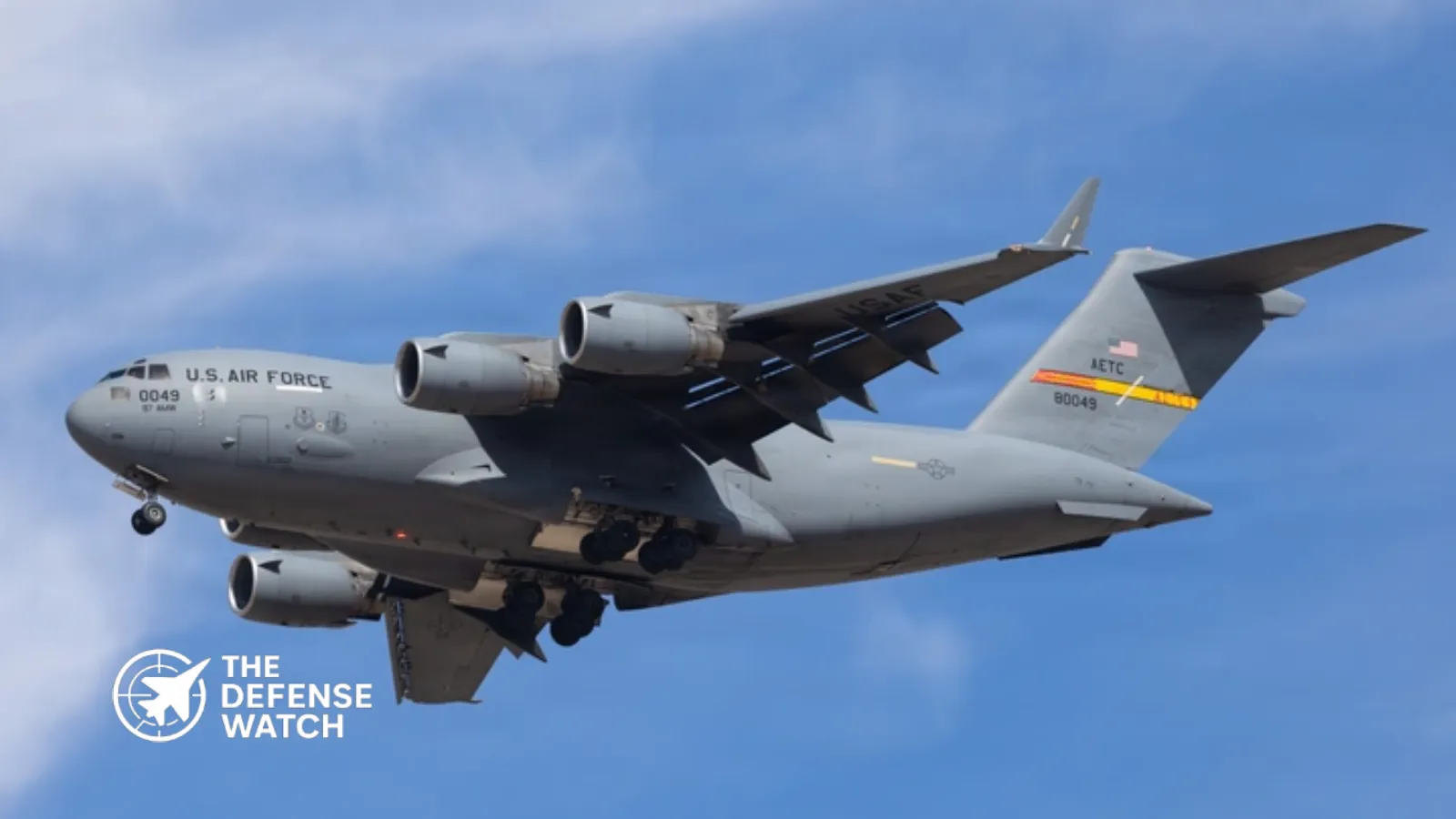
- Italy has denied stopovers for some US military aircraft transiting through Sicily toward the Middle East.
- The decision affects operations at Naval Air Station Sigonella, a key NATO logistics hub.
- The move reflects political sensitivity over escalating Middle East military activity.
- US airlift and refueling routes may require adjustments or alternative basing options.
- The development signals friction within allied coordination despite ongoing NATO commitments.
Italy US Military Aircraft Stopover Restrictions Highlight Operational Friction
Italy US military aircraft stopover restrictions are reshaping air mobility planning as Rome declines to support certain US flights transiting through Sicily en route to the Middle East. The decision affects operations at Naval Air Station Sigonella, a critical hub for US and NATO logistics in the Mediterranean.
The Big Picture
US military air mobility depends on a network of allied bases across Europe to sustain operations in the Middle East. Italy plays a central role in that network, particularly through Sigonella, which supports surveillance aircraft, tankers, and strategic airlift platforms.
Rising tensions and sustained US air operations in the Middle East have increased the tempo of flights passing through Southern Europe. This places political and operational pressure on host nations that must balance alliance commitments with domestic and regional concerns.
Italy’s decision reflects a broader trend where European allies exercise tighter control over how their territory supports expeditionary military operations.
What’s Happening
Italian authorities recently denied permission for certain US military aircraft to stop over in Sicily while en route to the Middle East. The restriction specifically impacts flights that would typically use Sigonella for refueling, crew rest, or logistical staging.
The move does not represent a full closure of the base to US forces. Instead, it introduces case by case limitations tied to mission type and political considerations.
US officials continue to operate from Sigonella, but the denial of select stopovers forces planners to reroute or adjust flight profiles.
Defense News first reported the development, citing officials familiar with the situation.
Why It Matters
Air mobility underpins US global military reach. Even limited restrictions at key nodes can disrupt efficiency, increase flight times, and strain tanker support.
Sigonella serves as a forward logistics platform for intelligence, surveillance, reconnaissance missions, as well as transport aircraft supporting operations across the Middle East and North Africa.
Restricting stopovers creates friction in an already complex air bridge. Aircraft may need to divert to alternative bases in Spain, Greece, or other NATO locations, adding operational cost and reducing responsiveness.
The decision also highlights how political considerations can directly affect military logistics, even among close allies.
Strategic Implications
Italy’s move introduces uncertainty into NATO’s southern logistics corridor. While the alliance remains cohesive, operational flexibility depends on predictable access to infrastructure.
Reduced access to Sigonella could slow surge operations or complicate sustained air campaigns. It also places greater reliance on fewer alternative bases, which may face capacity constraints.
From a deterrence perspective, any perceived friction in allied coordination could be noted by adversaries. However, the limited scope of the restriction suggests Italy aims to signal political caution without undermining NATO commitments.
The development underscores the importance of distributed basing strategies. The US has increasingly emphasized flexible basing and dispersed logistics to mitigate such risks.
Competitor View
Russia and Iran are likely to interpret the restrictions as evidence of political sensitivity within NATO regarding Middle East operations.
Moscow has long highlighted divisions within Western alliances. Even limited constraints on US operations can reinforce that narrative.
Tehran may view the decision as a sign that sustained US air campaigns carry political costs for regional partners. This could factor into its assessment of US operational endurance.
China, while less directly involved in the region, continues to study alliance cohesion as part of its broader strategic analysis.
What To Watch Next
US planners will likely adjust routing for aircraft supporting Middle East operations. Increased use of alternative bases in Southern Europe is expected.
Diplomatic engagement between Washington and Rome may clarify the scope of restrictions. Future decisions will indicate whether this is a temporary measure or part of a longer term policy shift.
Monitoring flight patterns and tanker deployments will provide insight into how the US adapts its air mobility network.
Any expansion of restrictions to other NATO bases would signal a broader shift in alliance dynamics.
Capability Gap
The Italy US military aircraft stopover issue highlights a vulnerability in reliance on fixed allied infrastructure.
US forces depend heavily on predictable access to overseas bases. When access becomes conditional, operational tempo and flexibility can suffer.
The situation reinforces the need for greater investment in long range airlift, aerial refueling capacity, and expeditionary basing concepts.
However, alternatives are not without limits. Longer routes increase fuel consumption and reduce payload efficiency. Dispersed basing requires additional logistical coordination and infrastructure investment.
The Bottom Line
Italy’s restriction on US military aircraft stopovers introduces operational friction in a critical logistics corridor, underscoring the strategic importance of allied access in sustaining global air operations.