

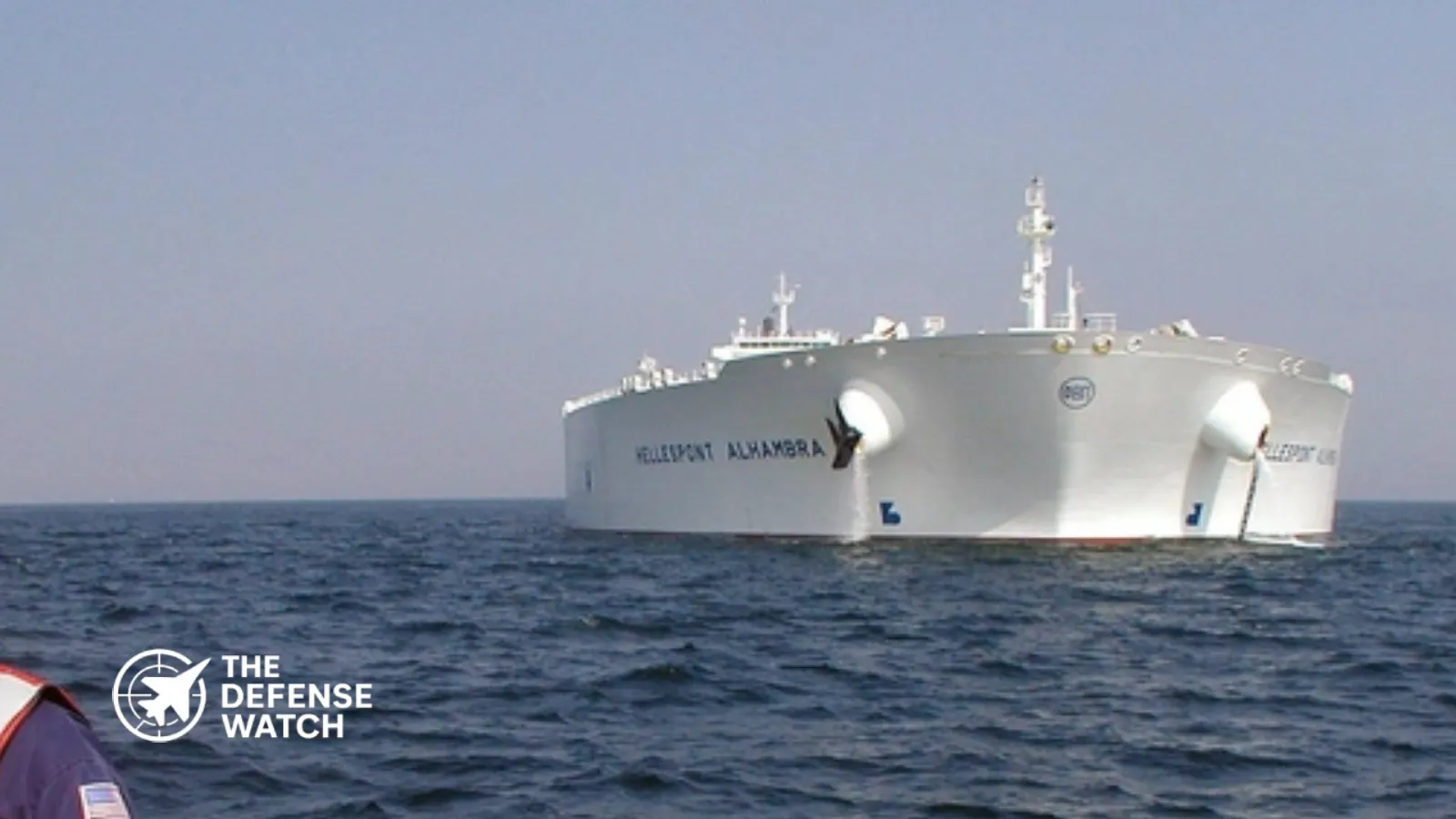
- Iranian strike targeted a large oil tanker operating near Dubai.
- Attack highlights vulnerability of commercial shipping lanes in the Gulf.
- United States issued strong warnings, signaling potential military retaliation.
- Incident occurs amid already elevated tensions between Washington and Tehran.
- Maritime security in the Strait of Hormuz faces renewed risk of escalation.
Iranian Strike Oil Tanker Near Dubai Raises Regional Security Concerns
The Iranian strike oil tanker incident near Dubai marks a significant escalation in Gulf maritime tensions, with U.S. leadership warning of severe consequences if attacks continue.
Reuters reported that a large commercial oil tanker operating off the coast of Dubai was struck in what officials attribute to Iranian action, prompting a sharp response from Washington, including threats of decisive military retaliation.
The Big Picture
Maritime security in the Persian Gulf remains central to global energy stability. The region handles roughly one fifth of the world’s oil shipments, with the Strait of Hormuz serving as a critical chokepoint.
Recent years have seen repeated incidents involving tankers, drones, and naval forces. These events reflect a broader pattern of asymmetric maritime tactics employed in the region, often linked to geopolitical competition between Iran and the United States.
The latest Iranian strike oil tanker incident fits into this pattern, but its timing and scale suggest a higher level of risk. It comes amid ongoing regional friction, including disputes over sanctions, proxy conflicts, and military deployments.
What’s Happening
U.S. officials stated that an oil tanker near Dubai sustained damage following what they described as an Iranian strike. The vessel was operating in a heavily trafficked commercial corridor when the incident occurred.
The report indicates that the strike did not immediately result in catastrophic loss, but it triggered alarm across shipping operators and energy markets.
Former U.S. President Donald Trump responded publicly, warning that any further escalation could lead to overwhelming military action against Iran. His statement underscores the seriousness with which Washington views threats to maritime commerce.
Authorities have not released full technical details of the strike, including whether it involved missiles, drones, or naval assets. However, prior incidents in the region have included the use of explosive-laden drones and limpet mines.
Why It Matters
Energy security remains the most immediate concern. Even limited disruptions in the Gulf can affect global oil prices and supply chains.
The Iranian strike oil tanker event demonstrates that commercial vessels remain exposed despite increased naval patrols and surveillance. This raises questions about the effectiveness of current maritime security frameworks.
Operationally, such attacks force shipping companies to reassess risk, potentially reroute vessels, and increase insurance costs. These factors can have cascading economic effects beyond the region.
From a military standpoint, the incident highlights the persistent challenge of countering low-cost, high-impact threats such as drones and small boat attacks.
Strategic Implications
The strike directly impacts U.S. deterrence posture in the Middle East. Washington maintains a significant naval presence in the region, including carrier strike groups and patrol forces tasked with ensuring freedom of navigation.
If attacks continue, the United States may face pressure to increase force deployment or conduct retaliatory strikes. Either option carries escalation risks.
Regional stability also faces renewed strain. Gulf states, particularly the United Arab Emirates and Saudi Arabia, rely heavily on secure maritime routes for economic stability.
The incident may also influence coalition operations, including multinational maritime security initiatives designed to protect shipping lanes.
Competitor View
Iran has historically framed its maritime actions as responses to external pressure, particularly U.S. sanctions and military presence. Tehran may view such incidents as part of a broader strategy to assert leverage without triggering full-scale conflict.
China and Russia are likely to monitor developments closely. Both countries have strategic interests in Gulf energy flows and may interpret the situation as evidence of declining U.S. control over regional security dynamics.
Regional rivals, including Saudi Arabia, will see the attack as confirmation of ongoing threats to critical infrastructure and shipping routes.
What To Watch Next
Military movements in the Gulf will be a key indicator. Any increase in U.S. naval deployments or air patrols could signal preparation for deterrence or response operations.
Diplomatic channels will also be important. Past incidents have sometimes led to backchannel negotiations aimed at de-escalation.
Shipping industry responses will provide another signal. Changes in routing patterns, insurance premiums, or vessel traffic density could reflect rising perceived risk.
Capability Gap
The incident exposes a persistent gap in maritime defense against asymmetric threats. Large naval platforms are not always optimized to detect and neutralize small, fast-moving threats such as drones or explosive boats.
While surveillance capabilities have improved, response times and rules of engagement can limit effectiveness in congested commercial environments.
This gap underscores the need for integrated systems combining intelligence, surveillance, and rapid-response capabilities tailored to hybrid maritime threats.
The Bottom Line
The Iranian strike oil tanker near Dubai highlights the fragility of Gulf maritime security and raises the risk of direct confrontation between Iran and the United States.
