

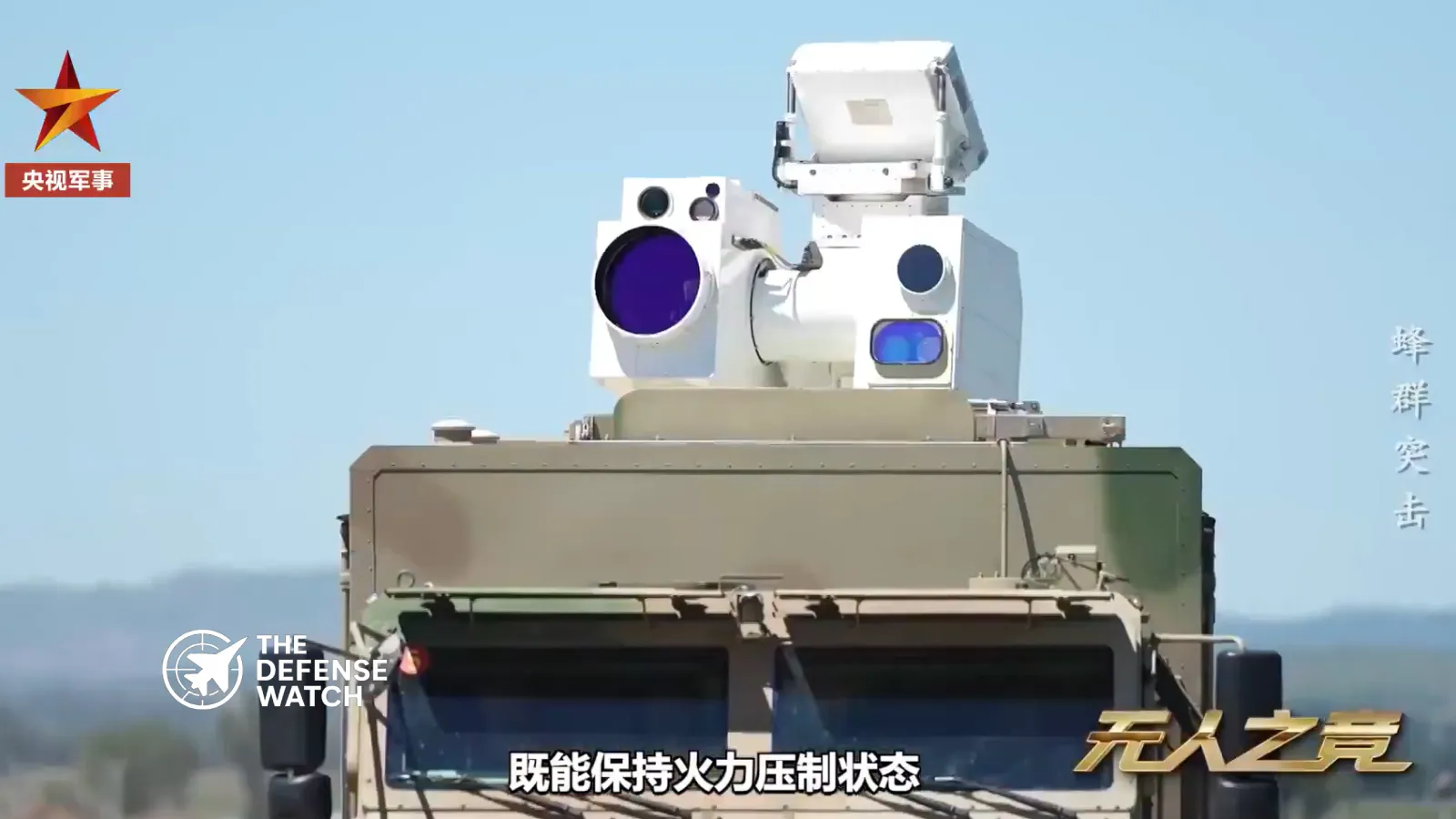
- ► Light Arrow 21A uses high energy laser for hard kill destruction of drones and small aerial threats.
- ► Light Arrow 11E applies soft kill laser effects to blind optical sensors on drones and guided weapons.
- ► Together they create a layered laser air defense concept for PLA units and key sites.
- ► Systems are designed for counter drone, counter swarm, and point defense missions.
- ► Reflects global shift toward directed energy in modern air defense networks.
Chinas laser air defense system built around the Light Arrow 21A and Light Arrow 11E shows how directed energy is moving into practical air defense roles for the PLA. These systems combine hard kill laser destruction with soft kill sensor blinding to counter drones and some missile threats. Together, they form a layered shield designed to protect troops, bases, and key infrastructure from low cost aerial threats that are hard to stop with traditional missiles.
Open source reporting, Chinese defense exhibitions, and technical papers on directed energy point to steady progress in high energy laser integration with ground vehicles and fixed sites. The Light Arrow family reflects this trend, where lasers are no longer experimental but part of an operational concept for counter drone and point defense missions.
What Is The Light Arrow 21A
The Light Arrow 21A is described in Chinese sources as a high energy laser weapon mounted on a mobile platform. Its role is hard kill. It uses concentrated laser energy to physically damage or destroy small drones, loitering munitions, and some incoming projectiles at short ranges.
This approach offers key advantages for counter drone work:
- Very low cost per shot compared to missiles
- Deep magazine as long as power is available
- High precision with limited collateral damage
- Silent and nearly invisible engagement
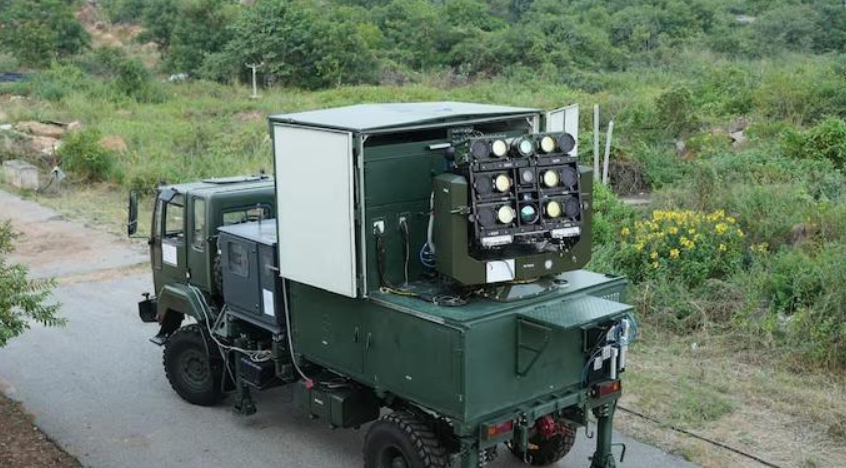
Analysts often compare this role to Western efforts such as the US Armys DE M SHORAD laser program and similar systems tested by several NATO countries. The Light Arrow 21A appears aimed at the same problem set, cheap drones used in swarms, reconnaissance, or as improvised strike tools.
What Is The Light Arrow 11E
The Light Arrow 11E focuses on soft kill effects. Instead of burning through a target, it uses laser energy to damage or overwhelm the optical sensors on drones and guided munitions.
Most small drones and many precision weapons rely on cameras, infrared seekers, or electro optical guidance. By dazzling or degrading these sensors, the system can cause:
- Loss of navigation and targeting
- Forced crash or mission abort
- Reduced accuracy of incoming munitions
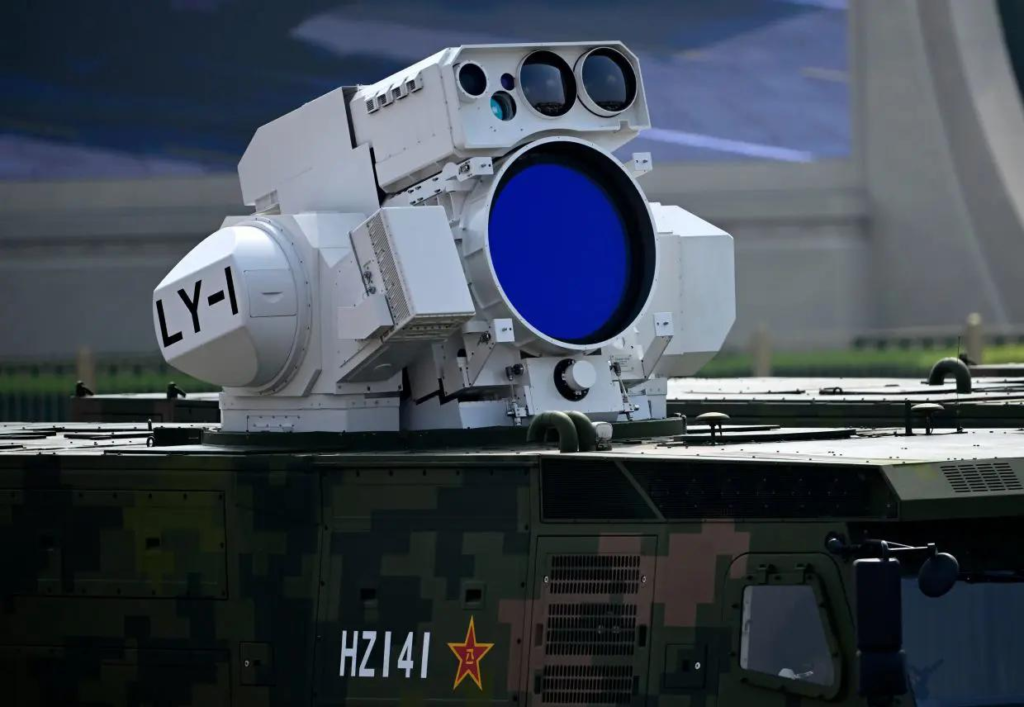
This is especially useful when destruction is not required, or when rules of engagement favor non kinetic methods around sensitive sites.
How The Two Systems Work Together
When combined, the Light Arrow 21A and Light Arrow 11E create a layered response:
- Soft kill first, blinding or confusing incoming drones at longer distances
- Hard kill next, physically destroying those that continue to approach
- Integration with radar and electro optical tracking for automated cueing
This mirrors modern air defense thinking where sensors, jammers, guns, missiles, and now lasers work in one network. For the PLA, this is particularly relevant for base defense, border areas, and protection of critical facilities.
Chinese military journals have emphasized the growing threat from small unmanned systems in recent conflicts. Lessons from wars in the Middle East and Eastern Europe have shown how inexpensive drones can overwhelm traditional air defenses. Laser systems like the Light Arrow family are presented as a cost effective counter.
Operational Roles For PLA Units
The China laser air defense system concept appears suited for several roles:
- Protection of air bases and missile sites
- Defense of command posts and logistics hubs
- Escort for mobile ground units
- Security for key infrastructure in urban or coastal areas
Because lasers require line of sight and stable power, they are often mounted on trucks or fixed platforms with generators. This suggests the systems are designed for point defense rather than wide area coverage.
Broader Context In Directed Energy Weapons
China is not alone in this field. The United States, Israel, and several European nations are advancing similar programs. Systems such as the US Armys laser Stryker, Israels Iron Beam, and British DragonFire show that directed energy is becoming a serious part of air defense planning.
What stands out is how quickly China has displayed multiple laser systems at defense exhibitions and military events. This signals both technological maturity and an intent to operationalize these systems rather than keep them as prototypes.
Strategic Significance
The Light Arrow 21A and 11E highlight three important trends:
- Air defense is shifting toward counter drone and counter swarm missions
- Directed energy is moving from research to deployment
- Militaries want cheaper, sustainable ways to defeat low cost aerial threats
For the PLA, these systems support a layered air defense approach that already includes missiles, guns, electronic warfare, and radar networks.
Why This Matters For Future Air Defense
China laser air defense system development around the Light Arrow family shows how militaries are adapting to a new threat environment. Cheap drones, loitering munitions, and precision guided weapons are changing battlefield economics. Shooting them down with expensive missiles is not sustainable.
Lasers offer a different cost curve. Once deployed, they can engage many targets with minimal per shot expense. This makes them ideal for the type of persistent, low level air threats seen in recent conflicts.
For defense planners worldwide, the Light Arrow 21A and 11E are part of a larger story. Directed energy is no longer a concept for the future. It is becoming a practical layer in air defense architecture.
