Exercise Tests Combat Readiness Under Time Constraints
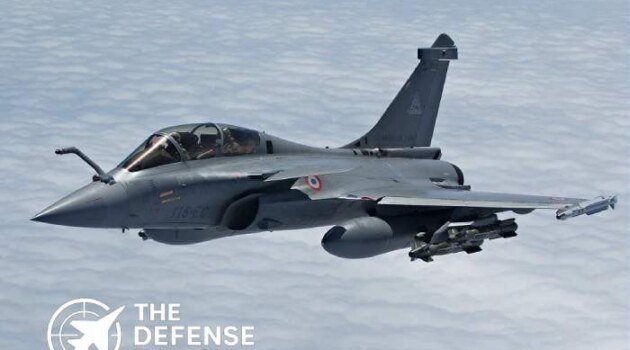
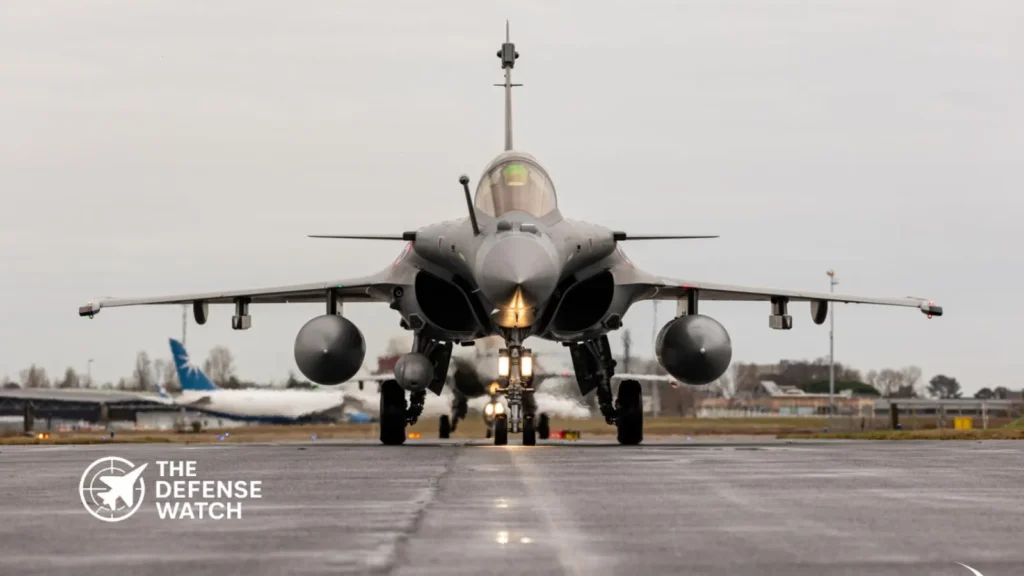
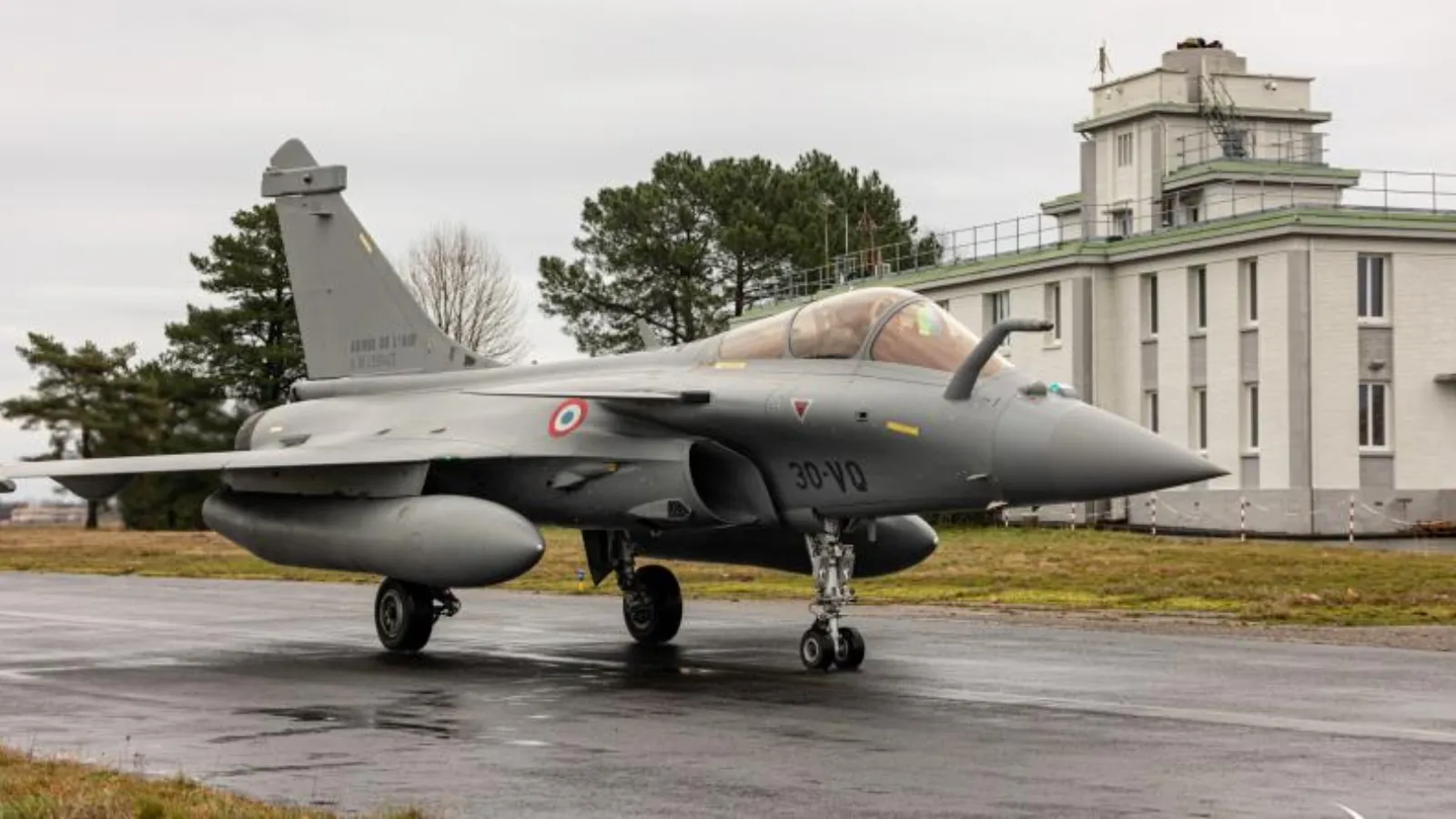
The French Air and Space Force successfully executed Exercise Topaze on January 27, 2025, deploying five Dassault Rafale fighters from Air Base 118 Mont-de-Marsan to Air Base 106 Bordeaux-Mérignac under minimal advance warning. The drill evaluated the service’s capacity to rapidly disperse combat aircraft and maintain operational effectiveness under high-intensity warfare scenarios.
According to the French Ministry of Armed Forces, the exercise mobilized operational squadrons and support units in record time, testing the force’s ability to preserve assets through rapid deployment while sustaining combat operations. Commander Mathieu, deputy commander of Fighter Squadron 3/30 “Lorraine” based at Mont-de-Marsan, stated that units received orders to deploy the entire fleet before 15:00 hours with less than 24 hours’ notice.
High-Intensity Warfare Focus Drives Training Evolution
Exercise Topaze represents the French Air and Space Force’s ongoing emphasis on preparing for large-scale conventional conflict, particularly influenced by operational lessons from the war in Ukraine. The drill simulated scenarios requiring immediate asset preservation in response to potential threats against primary airbases.
The goal is to be taken by surprise,” explained a Rafale pilot participating in the exercise, according to media reports from Euronews. “The deployment at very short notice, followed by a huge team effort to configure the aircraft as quickly as possible and prepare ourselves for this mission under severe time constraints, was the hardest part.”
General Pierre Gaudillière, commander of the Fighter Aviation Air Brigade, emphasized the operational relevance of such training. “We never train for nothing and since high-intensity warfare is raging on all fronts, it is in response to this kind of operational requirement that we are doing this exercise,” he stated.
Rapid Deployment Tests Coordination Between Units
The five Rafale fighters arrived at Bordeaux-Mérignac despite challenging weather conditions, immediately proceeding to designated parking areas where maintenance crews and support personnel were positioned to receive them. Within two hours of arrival, aircraft were secured, crews debriefed, and coordination established between operational squadrons and support units.
(adsbygoogle = window.adsbygoogle || []).push({});Commander Mathieu described the exercise as testing the feasibility of deployments under constrained timelines while identifying potential obstacles and evaluating personnel responsiveness. Crisis cells were activated the day prior to deployment, requiring rapid mission planning and logistical coordination across multiple units.

The drill’s success hinged on seamless integration between combat squadrons and support elements. “Efficiency,” Commander Mathieu stated when asked to characterize the exercise. “By engaging both operational squadrons and support units, coordination proved optimal, almost spontaneous.”
Agile Combat Employment Concept Gains Prominence
Exercise Topaze aligns with the French Air and Space Force’s implementation of what it terms the “MORANE” operational concept, equivalent to NATO’s Agile Combat Employment (ACE) doctrine. This approach emphasizes distributing high-value air assets across geographically dispersed locations with minimal logistical infrastructure to enhance survivability against peer adversaries.
The French service has conducted multiple exercises testing rapid dispersal capabilities throughout 2024 and 2025. In April 2025, the service simultaneously executed Exercise JADE, involving Mirage 2000D and 2000B aircraft dispersing from Air Base 133 Nancy-Ochey to five locations across France, and Exercise Pégase 25, deploying Rafale fighters to Sweden alongside NATO allies.
(adsbygoogle = window.adsbygoogle || []).push({});In November 2024, French Rafale jets deployed to Germany, Croatia, and Poland, practicing ACE procedures at NATO bases with minimal logistical support. These deployments tested the ability to operate from forward locations using host nation infrastructure for refueling, mission planning, and rearming.
Strategic Context And European Defense Posture
The emphasis on rapid dispersal and distributed operations reflects broader European defense planning in response to potential large-scale conventional conflict. Fixed airbases represent primary targets in high-intensity scenarios, making the ability to quickly relocate combat aircraft critical for force preservation and sustained operations.
France operates approximately 108 Rafale fighters as of 2025, according to Ministry of Armed Forces data, distributed across multiple squadrons including nuclear-capable units assigned to the Strategic Air Forces Command. The Rafale serves as France’s primary multi-role combat aircraft, capable of air superiority, ground attack, and reconnaissance missions.
(adsbygoogle = window.adsbygoogle || []).push({});Exercise Topaze specifically involved assets from Fighter Squadron 3/30 “Lorraine,” one of three Rafale squadrons based at Mont-de-Marsan alongside squadrons 1/30 “Côte d’Argent” and 2/30 “Normandie-Niemen.” Mont-de-Marsan serves as a major Rafale operating base and houses the Centre d’expertise aérienne militaire (CEAM), the Military Air Expertise Centre responsible for operational evaluation and pilot conversion training.
Operational Implications For Allied Forces
The French Air and Space Force’s focus on distributed operations provides relevant lessons for allied services implementing similar concepts. NATO members have increasingly prioritized ACE as Russian military modernization and demonstrated willingness to employ force against neighbors has heightened concerns about large-scale conventional conflict in Europe.
The ability to rapidly deploy and sustain operations from austere or non-traditional locations complicates adversary targeting while maintaining operational tempo. Exercise Topaze demonstrated that even with minimal advance notice, coordinated action between operational and support elements can achieve rapid deployment objectives.
(adsbygoogle = window.adsbygoogle || []).push({});France’s independent nuclear deterrent adds strategic significance to these exercises. While Exercise Topaze involved conventional Rafale operations, the service regularly practices rapid dispersal with nuclear-capable variants, enhancing survivability of second-strike capabilities. The Rafale B variant equipped with ASMP-A nuclear missiles forms the airborne component of France’s nuclear triad.
Conclusion
Exercise Topaze confirmed the French Air and Space Force’s capability to execute rapid aircraft dispersal under demanding timelines. The successful deployment of five Rafale fighters from Mont-de-Marsan to Bordeaux-Mérignac with minimal notice validated training protocols and inter-unit coordination necessary for distributed operations.
As European defense planning increasingly accounts for potential large-scale conventional conflict, exercises like Topaze provide essential operational testing of concepts designed to enhance force survivability and operational effectiveness. The French service’s continued emphasis on such training reflects strategic assessments prioritizing readiness for high-intensity warfare scenarios.