Algeria’s Su-35 Acquisition Now Visually Confirmed
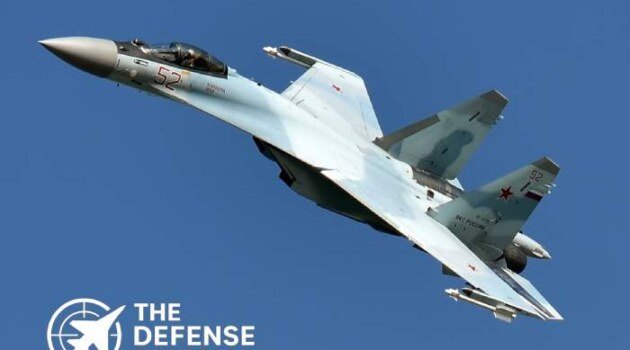
A photograph published in early February 2026 provides the first visual confirmation that Algeria has begun receiving Russian-built Sukhoi Su-35 multirole fighter aircraft. The image, circulated on the Force DZ Forum, shows an Su-35 on the ground bearing Algerian Air Force roundels on its vertical tail, ending years of speculation about the pending transfer.
Neither Algerian defense officials nor Moscow have publicly acknowledged the delivery. However, the visual evidence has already prompted renewed scrutiny from U.S. policymakers regarding Algeria’s expanding military relationship with Russia and potential sanctions under the Countering America’s Adversaries Through Sanctions Act (CAATSA).
The confirmation follows earlier reporting in March 2025 indicating that the Algerian Air Force had begun operating the Su-35 from Oum Bouaghi Air Base. Algeria now appears positioned to become one of the few foreign operators of the advanced fighter, joining Russia and China.
Strategic Context: From Egypt to Algeria
Reports indicate that at least some aircraft delivered to Algeria were originally manufactured for Egypt, which ordered the Su-35 in 2018 but withdrew under Western economic and political pressure. These airframes were subsequently redirected, with discussions about potential transfer to Iran not materializing before Tehran confirmed its own separate Su-35 purchase in January 2025.
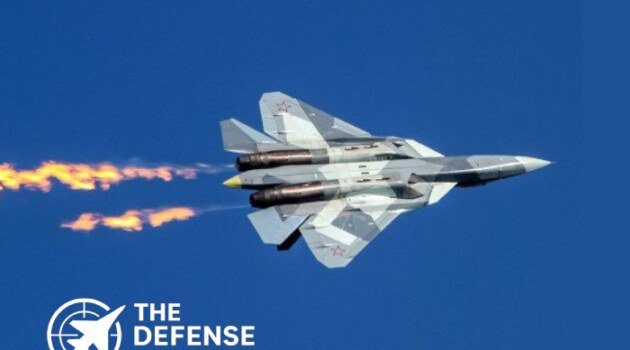
For Algeria, the Su-35 acquisition represents less of a standalone procurement and more of a bridging capability. Defense analysts suggest the decision is linked to delays in Su-57 production schedules, positioning the Su-35 as an interim solution that maintains operational readiness while awaiting next-generation fighter capabilities.
This procurement logic aligns with Algeria’s broader strategic requirements: maintaining credible air superiority is essential for deterrence across the Maghreb region and signals strategic autonomy toward both regional rivals and external powers.
Technical Capabilities: Advanced 4++ Generation Platform
The Su-35 represents a significant evolution from earlier Flanker variants. Rooted in the Su-27M development line and incorporating lessons from the thrust-vectoring Su-37 demonstrator, the aircraft features several advanced characteristics:
Propulsion and Performance
- Twin AL-41F-1S turbofan engines with thrust vectoring
- Maximum speed approximately Mach 2.25
- Combat radius exceeding 1,600 km
- Ferry range up to 3,600 km with external tanks
- 9-g maneuvering capability for high-intensity air combat
Avionics and Sensors
- Irbis-E passive electronically scanned array (PESA) radar with detection ranges exceeding 350 km
- Secondary radar arrays in wing roots for improved detection geometry
- Fully digital glass cockpit
- Advanced electronic warfare suite
Weapons Integration
- 30mm GSh-30-1 cannon
- R-77 and R-73 air-to-air missiles
- Kh-31 and Kh-59 air-to-surface missiles
- KAB-500 and KAB-1500 precision-guided munitions
- Payload capacity exceeding 8,000 kg across 14 hardpoints
The airframe incorporates increased use of lightweight composite materials, reinforced internal structures, and removes the canards seen on Su-30MKI configurations, relying instead on thrust-vectoring for extreme agility without aerodynamic penalties.
Integration with Existing Fleet
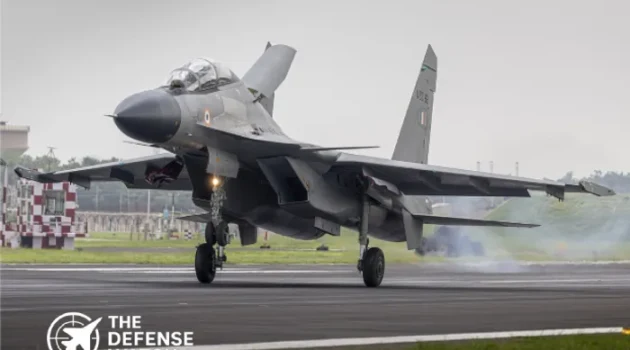
The Algerian Air Force currently operates more than 70 Su-30MKA fighters acquired from 2006, which form the backbone of the nation’s combat aviation. The Su-30MKA itself is a mature platform featuring phased array radar and thrust-vectoring engines, supporting air defense, strike, and reconnaissance missions.
The Su-35 represents a logical extension of this Russian-origin ecosystem, integrating seamlessly with existing training programs, tactical doctrines, weapons systems, and sustainment infrastructure. Some reports suggest Algeria may consider upgrading portions of its Su-30MKA fleet using Su-35-derived components such as engines or radar systems, reducing logistical fragmentation while incrementally improving overall fleet performance.
Operational Impact on Regional Air Power Balance
The Su-35 integration fundamentally changes Algeria’s ability to structure air operations. The fighter’s long-range detection and engagement capabilities support layered air defense extending beyond national borders, including forward combat air patrols designed to intercept threats earlier and under more favorable conditions.
Key operational advantages include:
Extended Reach: Long-range radar performance and passive detection channels enable engagement shaping before visual range encounters
Escort Capability: Advanced fighters can sanitize corridors and pressure opposing aircraft operating from standoff distances
(adsbygoogle = window.adsbygoogle || []).push({});Deterrence Value: The aircraft complicates adversary assumptions about survivability, response time, and freedom of action in contested airspace
Multi-Role Flexibility: Weapons carriage options and sensor suite enable tailored loadouts for defensive counter-air, maritime strike support, or deep interdiction missions
In the Maghreb context, these capabilities matter significantly for deterrence calculations, as they alter the strategic calculus for potential adversaries throughout North Africa and the Mediterranean.
U.S. Concerns and CAATSA Implications
The visual confirmation has drawn immediate attention in Washington. During testimony before the Senate Foreign Relations Committee, Robert Palladino, head of the State Department’s Bureau of Near Eastern Affairs, stated that U.S. authorities view the reports with concern and are assessing them seriously.
Palladino explicitly referenced CAATSA, the U.S. legal framework designed to impose costs on certain defense transactions involving Russia. He noted that deals of this nature can trigger sanctions decisions, while emphasizing that the United States continues to work with the Algerian government where interests align, often through private diplomatic channels.
The warning is calibrated but direct: fighter acquisitions from Russia are not treated as neutral procurement decisions by Washington.
Strategic Dilemma: Capability vs. Consequences
For Algeria, the Su-35 acquisition creates a familiar strategic dilemma. Russian combat aircraft offer performance and delivery pathways that many customers find attractive, but they come with secondary effects across multiple domains:
Financial Implications: Potential banking restrictions, insurance complications, and currency exchange limitations under sanctions regimes
Sustainment Challenges: Aircraft require ongoing support including training pipelines, spare parts ecosystems, munitions stockpiles, depot-level maintenance arrangements, and contractor support
Future Modernization: Sanctions environments can complicate avionics upgrades or integration of non-Russian weapons systems
Diplomatic Costs: CAATSA implementation could affect broader cooperation areas including counterterrorism coordination, Mediterranean security, and regional crisis management
At the same time, the visible presence of an Su-35 bearing Algerian markings demonstrates that Moscow’s defense exports retain significant traction despite Western isolation efforts. The platform sustains Russian influence through systems that can measurably reconfigure regional military balances while tightening the connection between procurement decisions and strategic alignment.
Regional Security Implications
Algeria’s Su-35 acquisition occurs within a complex regional security environment. The nation faces ongoing counterterrorism challenges in the Sahel, maintains territorial disputes with Morocco over Western Sahara, and seeks to project influence across North Africa and the Mediterranean.
The advanced fighter capability provides Algeria with several strategic advantages:
Air Superiority: Establishes credible deterrence against regional competitors Border Security: Enhanced surveillance and rapid response capabilities across extensive territory Energy Infrastructure Protection: Secures critical oil and gas installations Counter-Terrorism: Supports intelligence, surveillance, and reconnaissance operations
(adsbygoogle = window.adsbygoogle || []).push({});However, the Russian procurement also signals Algeria’s resistance to Western pressure on defense acquisition decisions, reinforcing its non-aligned foreign policy stance despite potential economic consequences.
Looking Ahead: Transition to Fifth Generation?
The Su-35 may represent a transitional capability for Algeria. Persistent speculation surrounds potential future acquisition of the Su-57 fifth-generation fighter, with the Su-35 serving as an interim solution maintaining operational readiness during Su-57 production delays.
This phased approach would allow Algeria to:
- Maintain continuous air superiority capability
- Develop expertise with advanced Russian systems
- Prepare infrastructure and training for next-generation platforms
- Sustain strategic relationships with Moscow
The question remains whether CAATSA sanctions will meaningfully alter Algeria’s defense procurement trajectory or simply solidify its orientation toward non-Western suppliers.
Conclusion
The visual confirmation of Algeria’s Su-35 acquisition marks a significant milestone in North African military aviation and regional power dynamics. The advanced fighter substantially enhances Algeria’s air combat capabilities while potentially exposing the nation to U.S. sanctions under CAATSA.
As Algeria integrates these aircraft into its operational fleet, the strategic implications will extend beyond military capability to encompass diplomatic relations, regional security calculations, and the broader competition between Western and Russian influence in North Africa.
The coming months will reveal whether Washington follows through on sanctions warnings and how Algeria navigates the complex intersection of military modernization requirements and international political pressures.