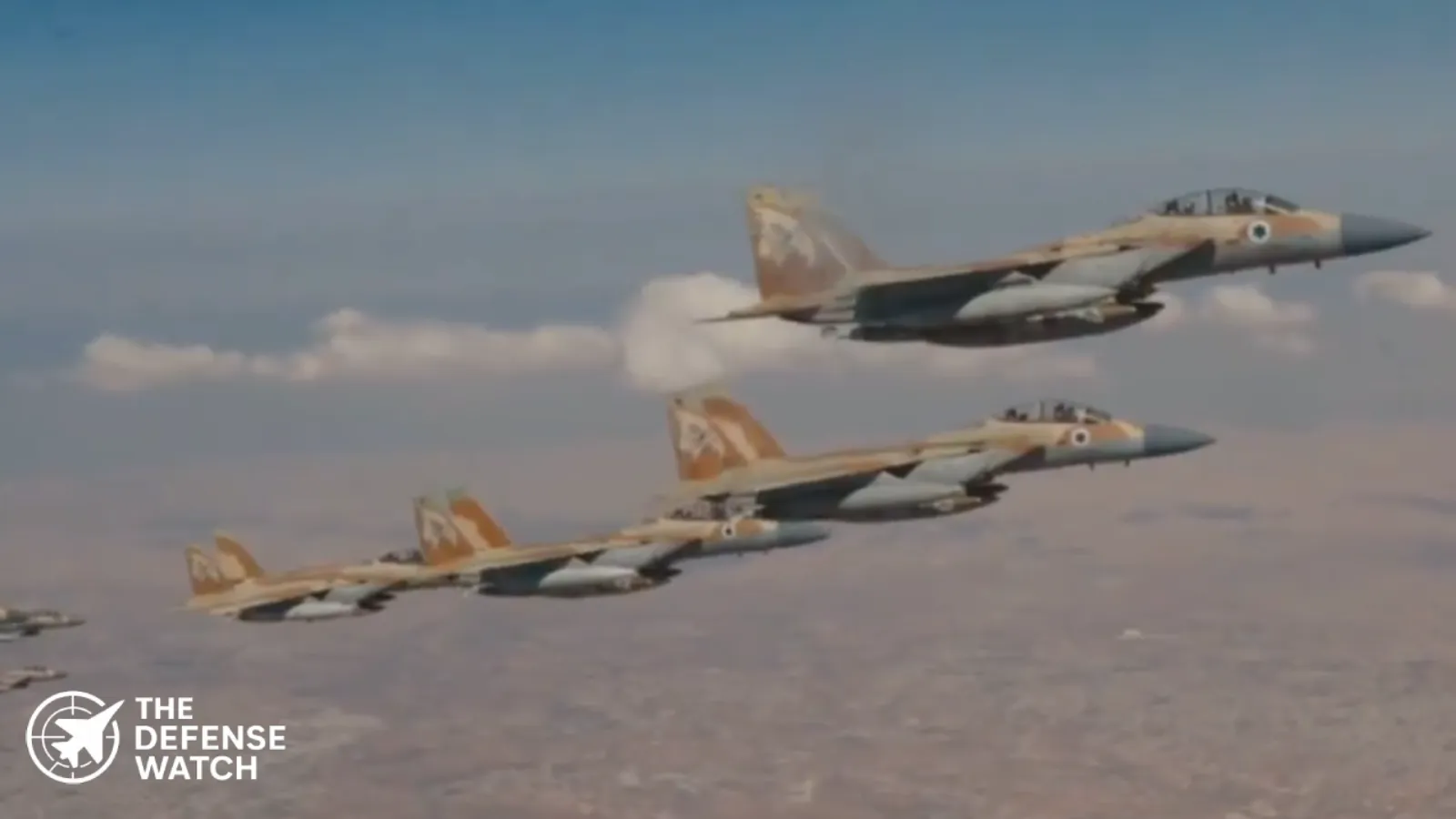
Israel has formally requested operational freedom from the United States to conduct potential independent military action against Iran’s ballistic missile and nuclear infrastructure as negotiations between Washington and Tehran continue.
Israel’s Request for Operational Freedom
Israeli officials have asked the US for greater latitude to act independently in responding to what Tel Aviv views as urgent threats from Iran, notably its ballistic missile buildup and nuclear program. According to coverage by Israel’s public broadcaster, the request seeks assurances that Israel can conduct unilateral strikes on Iranian strategic targets if necessary, without restrictions from Washington.
This push comes as US‑Iran talks on nuclear and missile issues advance, with unresolved gaps between Israeli and American priorities. Israeli military analysts say that ongoing negotiations may not sufficiently address Tehran’s missile arsenal, which Israel views as a core threat.
At the same time, Israeli forces remain on alert, anticipating that diplomatic engagement might not deter a regional conflict or halt Iranian programs seen as destabilizing.
US‑Iran Diplomatic Context
President Donald Trump’s administration is engaged in revived diplomatic outreach with Tehran aiming to rein in uranium enrichment and limit Iran’s missile capabilities. Iranian leadership has signaled willingness to pursue talks, framing them as fair and balanced, even as military tensions persist.
In Washington, analysts see limited US and Israeli coordinated actions on Iran that aim to pressure Tehran without sparking a larger war. Financial markets have reflected the risk with recent shifts in oil pricing.
Separately, the US State Department authorized significant arms sales to key regional partners, including Israel and Saudi Arabia, to boost defensive capabilities amid rising tensions.
Divergence Between Tel Aviv and Washington
The request for operational freedom underscores a strategic divergence. Israel wants assurances that it can strike core Iranian systems if diplomacy fails, particularly targeting missile production and launch infrastructure. Tel Aviv sees these as immediate dangers that could overwhelm defenses in any future confrontation.
Washington, for its part, publicly stresses that direct US involvement in strikes against Tehran is not its stated position, and has repeatedly placed emphasis on diplomacy backed by credible defensive forces. In past similar events, senior US officials denied involvement in unilateral Israeli actions and framed their priority as protecting American forces in the region rather than joining offensive operations.
Iranian Reactions and Regional Risks
Iran’s leadership has warned that any direct military attack could lead to wider conflict, framing such actions as provocations that would ignite multiple fronts across the Middle East. Supreme Leader Ayatollah Ali Khamenei and other officials have emphasized a resolute defense posture while signaling readiness to negotiate.
Tehran’s diplomatic strategy appears to be focused on keeping talks alive while resisting what it views as excessive demands, particularly on its missile program, which it claims are for defensive purposes.
What This Means for US‑Israel Policy
Israel’s push for operational freedom reflects continuing frustration in Jerusalem over perceived limits on military options and the pace or scope of US‑led diplomacy. If Washington declines to provide broad assurances, Israeli planners may prepare for independent action at some point. This could place additional strain on the US‑Israel partnership, even as both governments share core strategic goals in countering Tehran.
At the same time, the US seeks to balance deterrence, defense cooperation, and diplomatic engagement to avoid wider conflict. How Washington responds to Israel’s request will likely shape regional security dynamics and the broader approach to Iran’s long‑standing nuclear and missile programs.