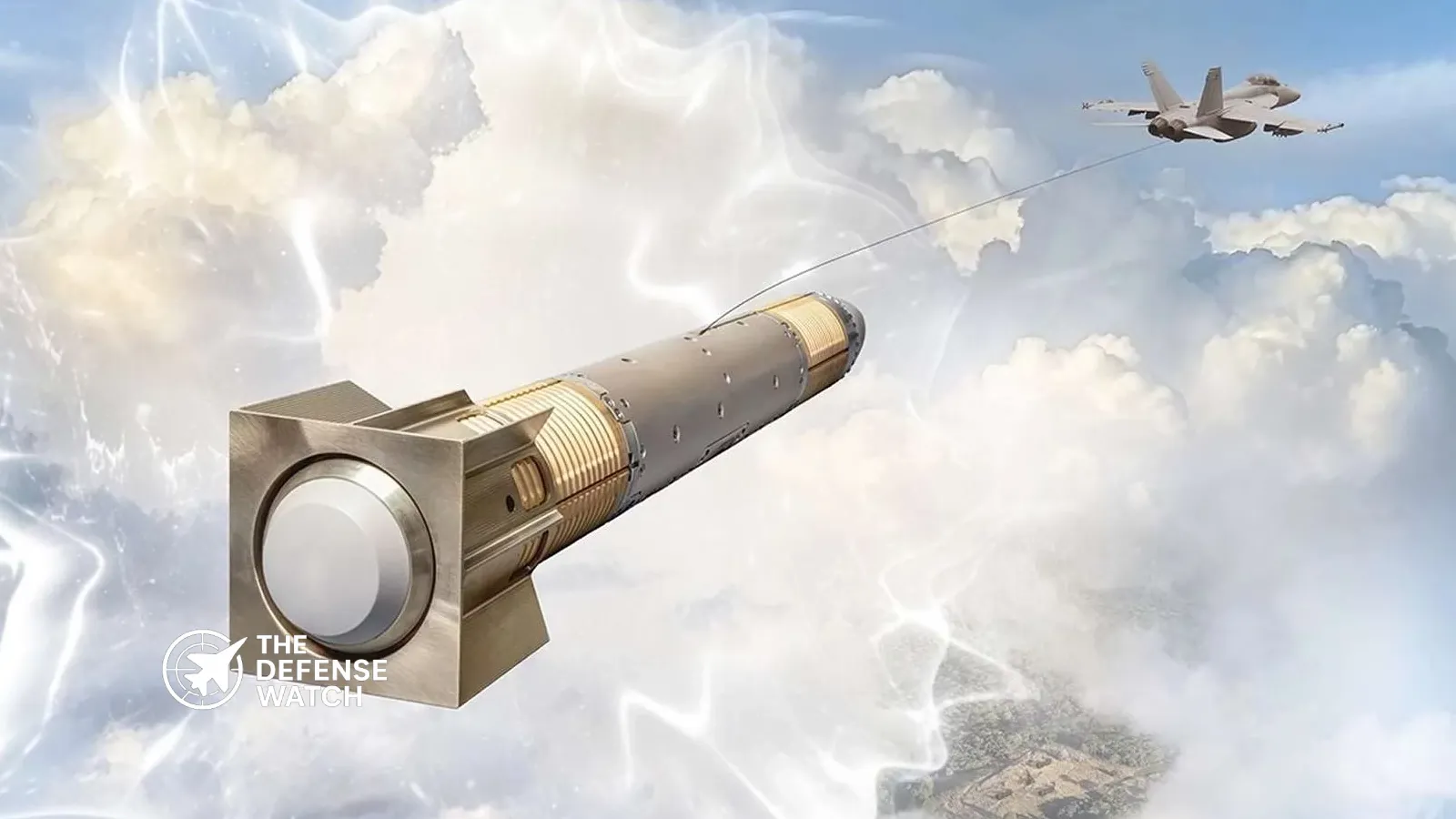
U.S. Navy Expands Radio Frequency Decoy Defenses
The U.S. Navy has allocated 73.8 million dollars for radio frequency decoys designed to protect fighter aircraft from advanced missile threats, marking a significant step in modernizing airborne self protection systems. The funding supports the continued procurement and sustainment of expendable electronic warfare decoys used to confuse and defeat radar guided air to air and surface to air missiles.
According to reporting by Army Recognition and U.S. defense contracting disclosures, the investment focuses on enhancing survivability for frontline Navy and Marine Corps tactical aircraft operating in contested airspace. These systems form a critical layer of electronic warfare protection as near peer adversaries deploy more capable sensors and missile seekers.
Contract Details and Program Scope
The funding covers production, logistics support, and system sustainment for radio frequency decoys already fielded across multiple U.S. Navy aviation platforms. These decoys emit signals that mimic or distort the radar signature of the host aircraft, drawing incoming missiles away from the target.
Such systems are commonly integrated with onboard electronic warfare suites, allowing pilots to deploy them automatically or manually when a threat is detected. The Navy has emphasized the importance of layered defenses that combine radar warning receivers, jamming, expendable decoys, and tactical maneuvering.
Authoritative defense sources note that radio frequency decoys are particularly effective against modern missiles that use active radar seekers, which are increasingly common in advanced integrated air defense systems.
Growing Threat from Advanced Missiles
The investment reflects the evolving threat environment faced by U.S. naval aviation. Potential adversaries continue to field longer range and more resistant radar guided missiles designed to counter traditional jamming techniques.
Military analysts cited by Aviation Week and Janes have highlighted that expendable decoys provide a cost effective countermeasure against high end missile systems, forcing adversaries to expend expensive interceptors while improving aircraft survivability.
Role in Navy and Marine Corps Aviation
Radio frequency decoys are used across a range of Navy and Marine Corps platforms, including carrier based strike fighters and expeditionary aircraft. Their modular design allows integration without major airframe modifications, supporting rapid deployment across fleets.
The Navy has previously stated that electronic warfare remains a cornerstone of its air superiority strategy, particularly in scenarios involving dense air defense networks and contested maritime regions.
This funding aligns with broader Department of Defense efforts to prioritize survivability, mission assurance, and freedom of maneuver in high threat environments.
Strategic and Budget Context
The 73.8 million dollar allocation fits within a larger pattern of U.S. defense spending focused on electronic warfare, cyber defense, and counter missile technologies. Budget documents and congressional testimony have consistently emphasized the need to stay ahead of rapidly advancing threat systems.
By continuing investment in proven radio frequency decoy technologies, the Navy signals its intent to maintain operational readiness while preparing for future conflicts that demand robust electronic protection.