China Confirms J‑10CE Fighter’s First Combat Success
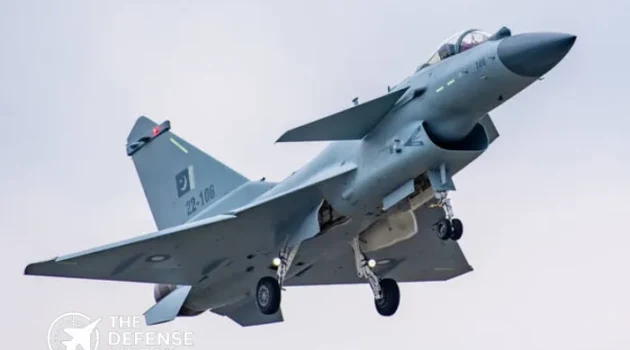
China’s State Administration of Science, Technology and Industry for National Defense (SASTIND) has publicly confirmed that the Chengdu J‑10CE fighter jet achieved its first combat victories during the 2025 India‑Pakistan conflict. The announcement on January 9, 2026 marks Beijing’s first official acknowledgement of real combat results involving one of its exported combat aircraft.
The statement did not specify exact dates, locations, or the identities of opposing aircraft. Analysts, however, tie the announcement to aerial engagements in May 2025 between the Pakistan Air Force (PAF) and the Indian Air Force (IAF). During those clashes, Pakistani J‑10CE fighters were used in air defence and interception missions.
Background on the 2025 India‑Pakistan Conflict
The 2025 India‑Pakistan conflict saw a significant escalation of hostilities along the contested border regions of Kashmir and surrounding areas. Aerial engagements were a major feature of the fighting, drawing in fighter jets, beyond‑visual‑range missiles, drones and ground‑based systems from both sides. Independent assessments of class‑wide losses vary, but at least four Indian fighters were reported lost in aerial battles. Pakistan claimed five losses.
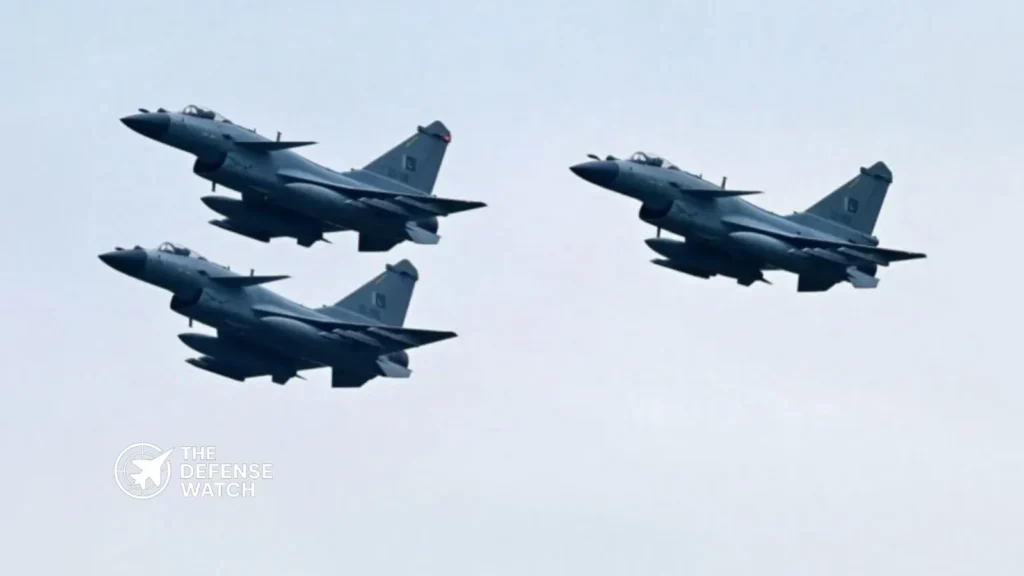
Before China’s confirmation, reports and claims about J‑10CE combat use circulated through open sources and official statements from Pakistan. These included assertions that J‑10CE jets armed with long‑range PL‑15E missiles downed multiple Indian aircraft, potentially including Dassault Rafale fighters, though India has not acknowledged these losses.
J‑10CE: Export Variant and Capabilities
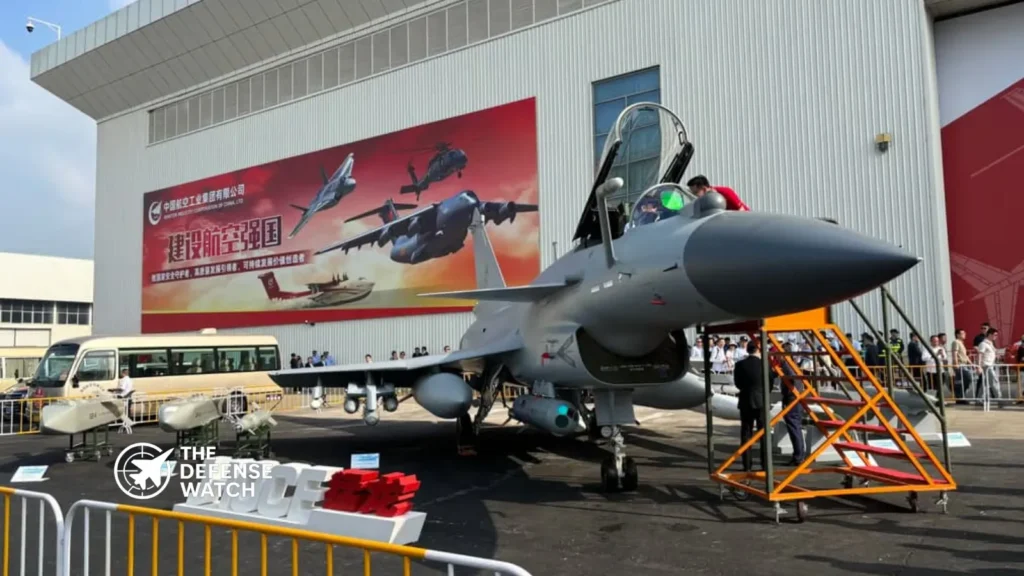
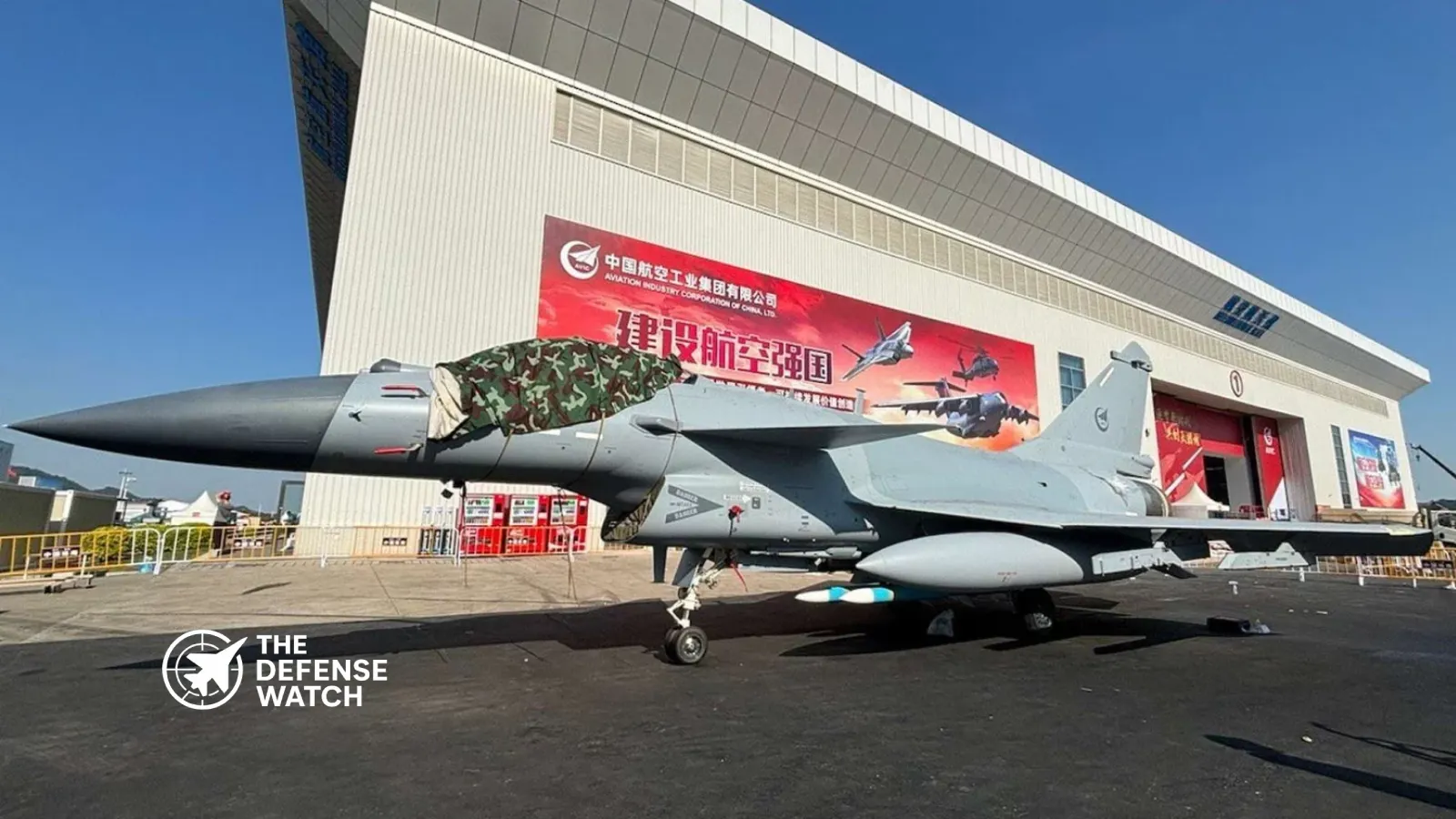
The Chengdu J‑10 series represents China’s 4.5‑generation multirole fighter family. The J‑10C is a domestic variant fielded by the People’s Liberation Army Air Force (PLAAF), with advanced avionics, active electronically scanned array (AESA) radar and compatibility with modern air‑to‑air and air‑to‑surface weapons. The J‑10CE is an export‑oriented derivative tailored for customers like Pakistan.
The jet is configured for all‑weather operations, with a delta canard layout and a modern digital flight control system. It has a combat radius beyond 1,000 kilometres and can carry weapons and mission equipment on 11 external hardpoints. Payload options include beyond‑visual‑range missiles such as the PL‑15E, short‑range missiles, external fuel tanks and electronic warfare pods.
Pakistan became the first export customer for the J‑10CE, receiving an initial tranche of fighters in 2022. The type was integrated alongside Pakistan’s existing fleet of F‑16s and JF‑17s. Pakistani statements before and after the 2025 conflict highlighted the J‑10CE’s radar performance and its compatibility with long‑range missiles as key strengths.
Details of China’s Official Acknowledgement
SASTIND’s public statement confirms that the J‑10CE recorded combat results in 2025 but omits specifics. It does not detail how many aircraft were engaged or shot down, nor does it name the adversary. Analysts and defence observers widely interpret this as referencing the May 2025 aerial battles with India, where Pakistan deployed the fighters in defensive and interception roles.

Pakistani and some open‑source accounts allege several Indian fighters were downed by J‑10CEs during the engagements, including Rafale jets and other types. These claims remain contested, as India has consistently withheld public confirmation of aircraft losses. Independent verification of combat kills and engagements remains limited due to the contested nature of reports emerging from both sides.
Observers note that the announcement by China comes amid wider efforts to promote domestic defence products in global markets. Combat use is a factor in export sales, and acknowledgement of battlefield results for the J‑10CE may affect how potential customers view the aircraft’s operational pedigree.
Technical and Strategic Implications
The J‑10CE’s reported combat performance highlights the role of modern sensor fusion and long‑range missiles in contemporary aerial warfare. With an AESA radar and datalink systems, the aircraft can detect, track and engage targets at significant distances, especially when paired with PL‑15E missiles designed for ranges in excess of 140 kilometres.
For Pakistan, the confirmed combat results add to a broader drive to modernise its air force amid regional rivalries. The integration of Chinese fighters and weapons systems reflects Islamabad’s diversification of suppliers and efforts to field platforms capable of challenging advanced air forces in dense electronic environments.
What’s Next
China’s confirmation of the J‑10CE’s first combat success is likely to reverberate in defence circles. The aircraft’s real‑world use, even without detailed public data, could influence future export decisions by other nations seeking cost‑competitive multirole fighters. It also adds a new dimension to how advanced Chinese aerospace products are viewed on the global stage.
As the debate over exact aircraft losses and engagement details continues, independent verification remains limited. Analysts will watch how Beijing and Islamabad leverage this confirmation in diplomatic and defence markets.