
Table of Contents
US Military Strikes Under Trump Expand Across Multiple Regions
US military strikes under Trump increased sharply in 2025, marking one of the most active periods of overseas American combat operations in recent years. Despite branding himself as a peace focused leader, President Donald Trump approved strikes across the Middle East, Africa, and Latin America, signaling a more force forward interpretation of peace through strength.
From bunker busting attacks on Iran nuclear facilities to maritime strikes targeting drug trafficking routes near Venezuela, the scope of US military strikes under Trump reflected a willingness to apply force across multiple theaters at once. Defense officials argue the operations were limited, targeted, and designed to deter larger conflicts rather than spark them.
East Africa Focus, Somalia Operations Continue
Somalia Airstrikes Target Islamic State Cells
The first major US military strikes under Trump began on February 1 in Somalia. US Africa Command confirmed airstrikes against Islamic State positions, aiming to disrupt planning cells linked to regional and external attack plots.
Defense Secretary Pete Hegseth stated the mission focused on degrading ISIS ability to threaten US citizens and partner forces. The Somalia campaign did not end with a single strike. Instead, it evolved into a sustained counterterrorism effort, keeping US assets active across East Africa throughout the year.
Iraq Strike Removes Senior ISIS Leader
On March 13, a US led coalition operation in Iraq Anbar Province killed Abdallah Makki Muslih al Rifai, identified by Iraqi officials as ISIS second in command. The strike highlighted ongoing US military involvement in Iraq despite repeated political calls for reduced foreign troop presence.
Iraqi Prime Minister Mohammed Shia al Sudani described the target as one of the most dangerous extremists operating in the region. The operation reinforced US reliance on intelligence driven precision strikes rather than large troop deployments.
Yemen Air Campaign Against Houthi Forces
Costly Operation Targets Iranian Backed Militias
US military strikes under Trump escalated in Yemen beginning March 15, launching a sustained air campaign against Iran backed Houthi forces. According to the Pentagon, the operation targeted air defense sites, command hubs, and weapons storage facilities.
Advanced munitions including JASSM cruise missiles, JSOW glide weapons, and Tomahawk missiles were used. Defense budget officials confirmed the operation exceeded one billion dollars in its first month alone. The campaign concluded May 6 following an Oman mediated ceasefire.
For further background on the Yemen campaign, see Pentagon briefings reported by Reuters, https://www.reuters.com.
Iran Nuclear Facilities Hit in Operation Midnight Hammer
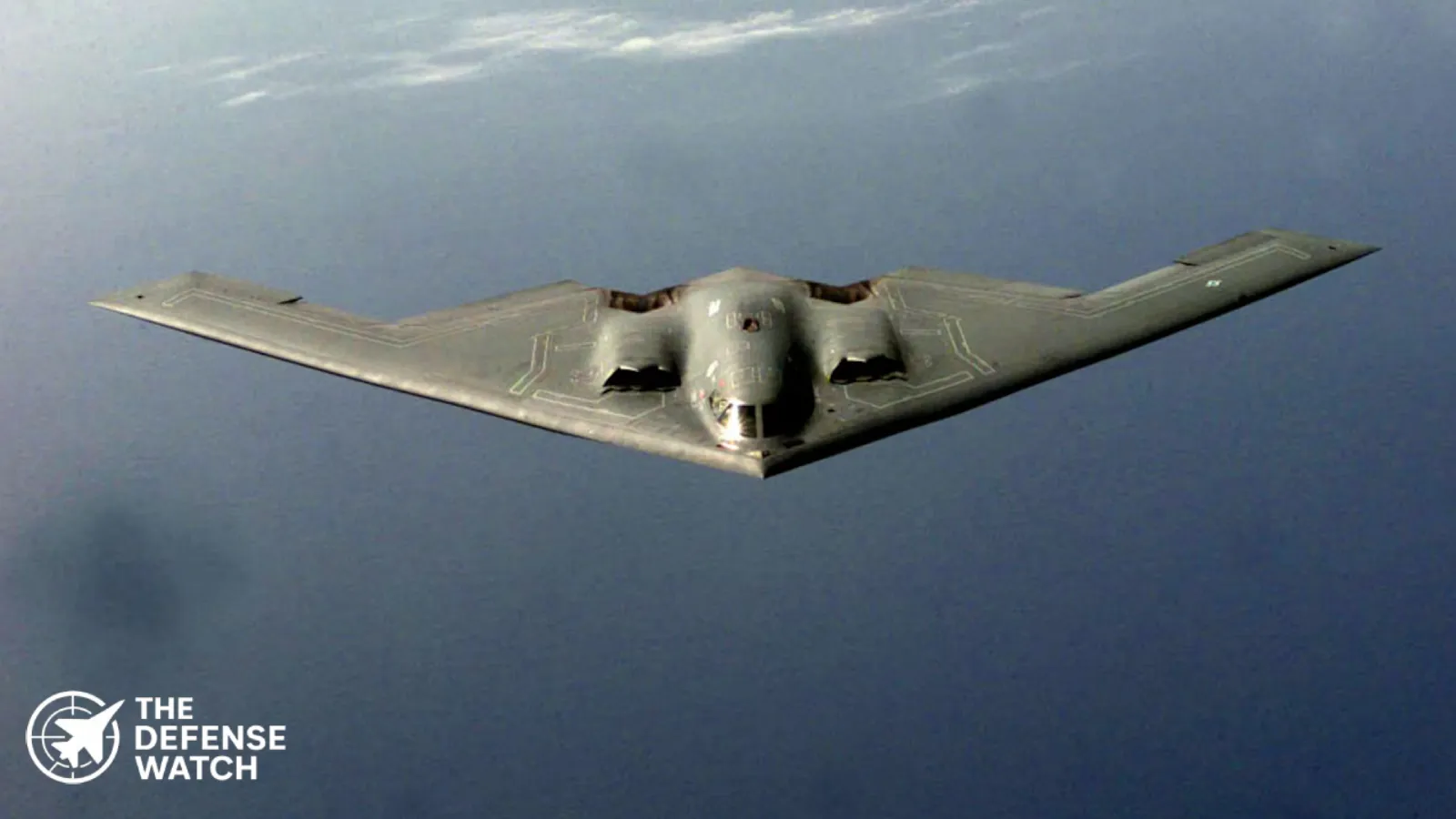
B 2 Bombers Deploy Massive Ordnance Penetrators
The most consequential US military strikes under Trump occurred June 22, when Operation Midnight Hammer targeted Iran nuclear infrastructure. Seven B 2 stealth bombers flew from Whiteman Air Force Base to strike the Fordo and Natanz enrichment sites using 30,000 pound GBU 57 bunker busters.
Simultaneously, a US Navy submarine launched Tomahawk missiles at the Isfahan nuclear complex. Trump addressed the nation later that evening, stating the mission achieved total destruction of Iran enrichment capability.
Iran disputed the claim, while Pentagon assessments suggested the strikes likely delayed Tehran nuclear program by up to two years. Analysts note the operation marked the first combat use of the Massive Ordnance Penetrator, setting a new benchmark for deep strike capability.
Maritime Strikes in Caribbean and Eastern Pacific
Counternarcotics Campaign Targets Smuggling Routes
Beginning September 2, US military strikes under Trump expanded into maritime counternarcotics operations in the Caribbean Sea and eastern Pacific Ocean. The administration framed the campaign as a direct response to Venezuelan narcotics trafficking networks.
Trump claimed the operation involved the largest naval deployment ever assembled in South America. According to US officials, at least 106 individuals were killed during strikes on suspected drug carrying vessels.
Coverage of the maritime campaign was reported by CNN and regional outlets, https://www.cnn.com.
Syria Operation Hawkeye Strike
On December 19, US forces launched Operation Hawkeye Strike in central Syria following the deaths of two US soldiers and a civilian interpreter during a terrorist attack. US aircraft, helicopters, and artillery struck more than 70 suspected ISIS targets.
US Central Command stated the operation aimed to disrupt militant networks responsible for attacks on coalition personnel. The mission underscored continued US engagement in Syria despite years of debate over troop withdrawals.
Nigeria Airstrikes Announced on Christmas Day
Tomahawks Fired From Gulf of Guinea
US military strikes under Trump reached Nigeria on December 25. Trump announced airstrikes against ISIS affiliated targets, stating the mission aimed to protect Christian communities facing extremist violence.
The operation involved over a dozen Tomahawk cruise missiles launched from a Navy vessel in the Gulf of Guinea and was coordinated with Nigerian military forces. Symbolically, Trump said he selected Christmas Day deliberately.
Venezuela Drone Strike Signals Escalation
In December, US involvement inside Venezuela escalated further when reports emerged of a CIA directed drone strike against a coastal facility. According to CNN, the target was a dock allegedly used by the Tren de Aragua criminal network to store narcotics for shipment.
If confirmed, the strike marked the first known US attack inside Venezuela since pressure on President Nicolas Maduro intensified.
Analysis, Strategic Pattern Emerges
The pattern of US military strikes under Trump suggests a doctrine favoring rapid, high impact actions over prolonged occupations. Advanced airpower, naval strikes, and intelligence driven targeting defined the approach.
While the administration argues these operations prevented larger wars, critics warn the geographic spread increases escalation risks, especially involving Iran and proxy forces. The long term impact on regional stability remains uncertain.
Strategic Context for 2026
As Trump enters the second year of his term, US military posture reflects an emphasis on deterrence through visible force. Whether this approach limits future conflict or expands it will shape global security debates heading into 2026.
FAQs
Why did US military strikes increase under Trump in 2025The administration argues strikes were necessary to deter threats, disrupt terrorism, and protect US interests.
Was Iran nuclear program destroyed?Pentagon assessments suggest delays rather than total destruction.
Are US forces still active overseas?Yes, operations continue in Somalia, maritime regions, and Venezuela related missions.
Get real time update about this post category directly on your device, subscribe now.

