
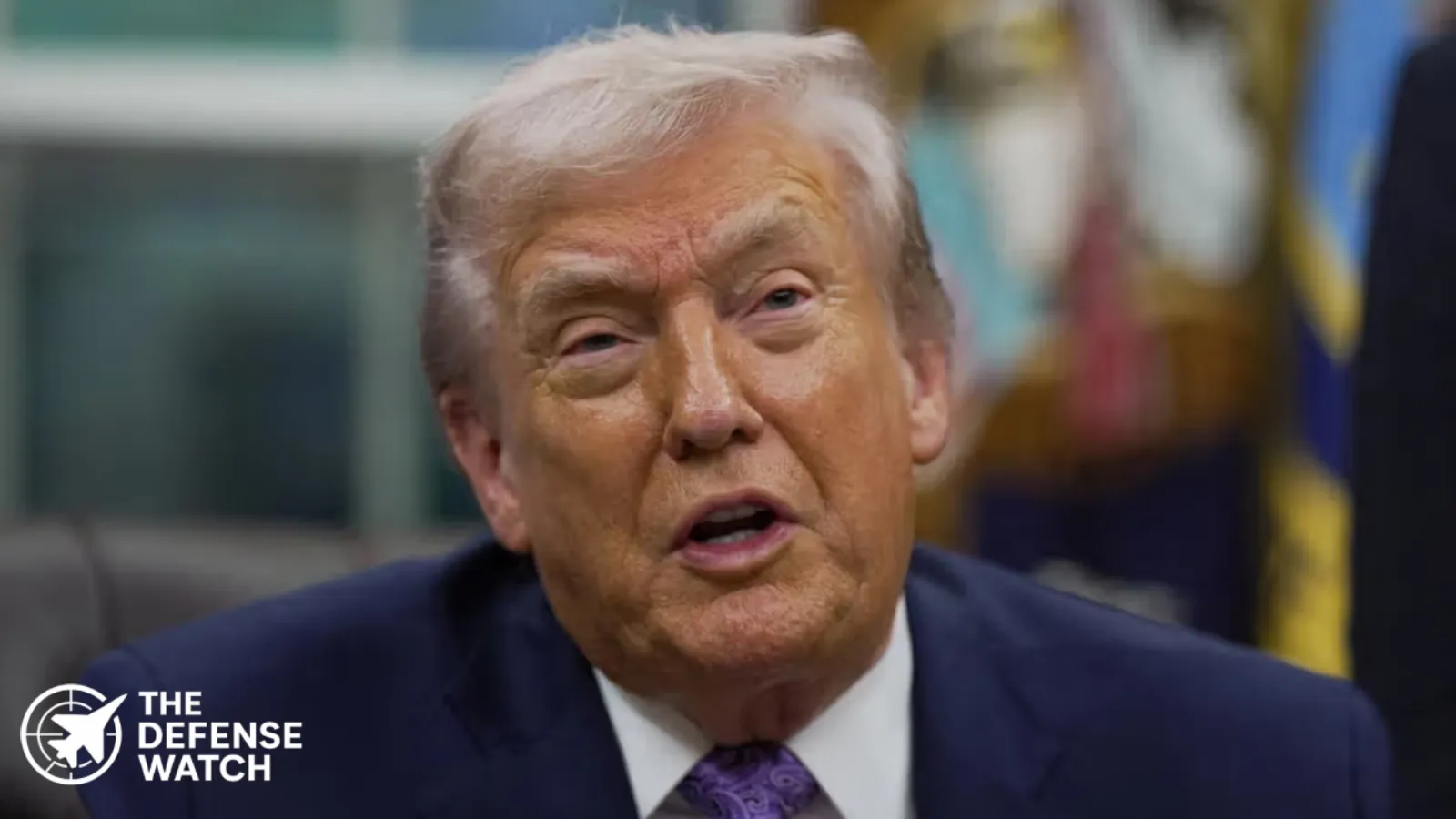
Trump Says US May Strike Iran Again If Necessary
US President Donald Trump said the United States could strike Iran again if Tehran continues its nuclear and missile programs without reaching an agreement with Washington, according to an announcement during a White House press event. Trump framed the threat as contingent on Iran’s actions and its willingness to accept terms set by the United States.
The comments underscore rising tensions between the United States and Iran more than five months after a major US military operation targeted Iranian nuclear facilities. Trump referenced previous US strikes on Iran’s nuclear infrastructure at Fordow, Natanz, and Isfahan, saying they were necessary to halt Tehran’s progress and would be repeated if Iran did not negotiate a settlement acceptable to Washington.
Recent Comments at the White House
Trump’s statement came during an unscheduled briefing with reporters at the White House. According to the president, Iran “may try” to continue its nuclear program, and if it does so outside of a diplomatic agreement, the US is prepared to destroy key components of its missile and nuclear infrastructure. He said the US military could “destroy their missiles very quickly,” though he did not provide specifics on timing or means.
Trump also argued that past US action had prevented a broader Middle East crisis, suggesting that a settlement would have been impossible without the earlier strikes on Iran’s nuclear sites.
Background: US-Iran Military Tensions in 2025
The US has already engaged directly in military action against Iranian nuclear targets in June 2025. American forces struck three major nuclear sites at the Fordow uranium enrichment plant, the Natanz facility, and the Isfahan nuclear complex in a large-scale operation, according to US government announcements.
The White House said the bombardment was intended to seriously degrade Iran’s nuclear capabilities. US President Trump claimed that these critical enrichment facilities had been “completely and totally obliterated,” and issued a warning that further attacks could follow if Tehran resisted peace negotiations.
However, international assessments and US intelligence reviews painted a more complex picture. Some reports suggested that the strikes may have set back Iran’s nuclear program by only months rather than permanently eliminating it. The International Atomic Energy Agency’s ability to assess damage was limited, and Iranian facilities buried deep underground may have sustained limited operational impairment.
International and Diplomatic Implications
Iran’s leadership has publicly denied any intent to build nuclear weapons and has criticized the strikes and subsequent threats as violations of international law. Supreme Leader Ayatollah Ali Khamenei called portions of the US narrative “enemy propaganda,” framing ongoing tensions as part of a broader ideological conflict rather than a purely military standoff.
Diplomatic efforts have been mixed. The United States and European powers have discussed potential negotiations, and Iran has engaged in talks with European nations over its nuclear program. Some reports indicate that Tehran may consider resuming discussions with European intermediaries even as tensions with Washington remain high.
Analysts warn that a strategy based heavily on military threats could further erode trust and complicate future diplomacy. The use of force against heavily protected and safeguarded nuclear sites was seen by some as a precedent that might undermine the global nonproliferation regime, especially if measured gains in slowing nuclear progress prove short-lived.
US Policy and Strategic Context
Trump’s statements reflect a broader US policy approach that blends military readiness with diplomatic leverage. The administration frames potential military action as part of a range of options to compel Iran into compliance on nuclear restrictions, missile limitations, and wider regional security concerns. However, critics argue that threats of further strikes risk escalation without guaranteeing Tehran’s agreement to significant concessions.
Within the US political system, debates persist over executive authority for military operations without explicit congressional authorization. Past strikes and current threats have drawn scrutiny from lawmakers questioning whether the president can unilaterally initiate actions that could draw the US deeper into conflict without legislative oversight.
Regional and Global Impact
The possibility of renewed US strikes on Iran carries implications well beyond bilateral relations. Neighboring states in the Middle East have expressed concern that escalations in US-Iran tensions could destabilize a region already grappling with multiple conflicts. Some regional governments have called for restraint and the resumption of diplomacy. Meanwhile, international organizations have urged all parties to deescalate and return to negotiated solutions.
Iran’s geopolitical partners, including Russia and China, have also weighed in, calling for respect for sovereignty and cautioning against actions that could trigger broader confrontation.
What’s Next
Trump’s warning signals that US policy toward Iran remains on a knife-edge. The United States may continue to pursue a strategy that links the threat of force to diplomatic engagement. The trajectory of this policy will depend on Iran’s military and diplomatic decisions as well as responses from global and regional actors.
Both Washington and Tehran face domestic pressure over their approaches, adding layers of complexity to the prospects for either renewed conflict or meaningful negotiation in coming months.
Get real time update about this post category directly on your device, subscribe now.

2 comments
[…] due in part to limited US operational capacity in the region after deployments elsewhere. Some Arab states have also signaled they would not grant access for strike missions from their […]
[…] contention, with China specifically reluctant to sign onto provisions requiring human control over nuclear weapons […]